Prioritize Your Workspace Setup Even if you dont have a dedicated office, the way you set up your workspace matters.

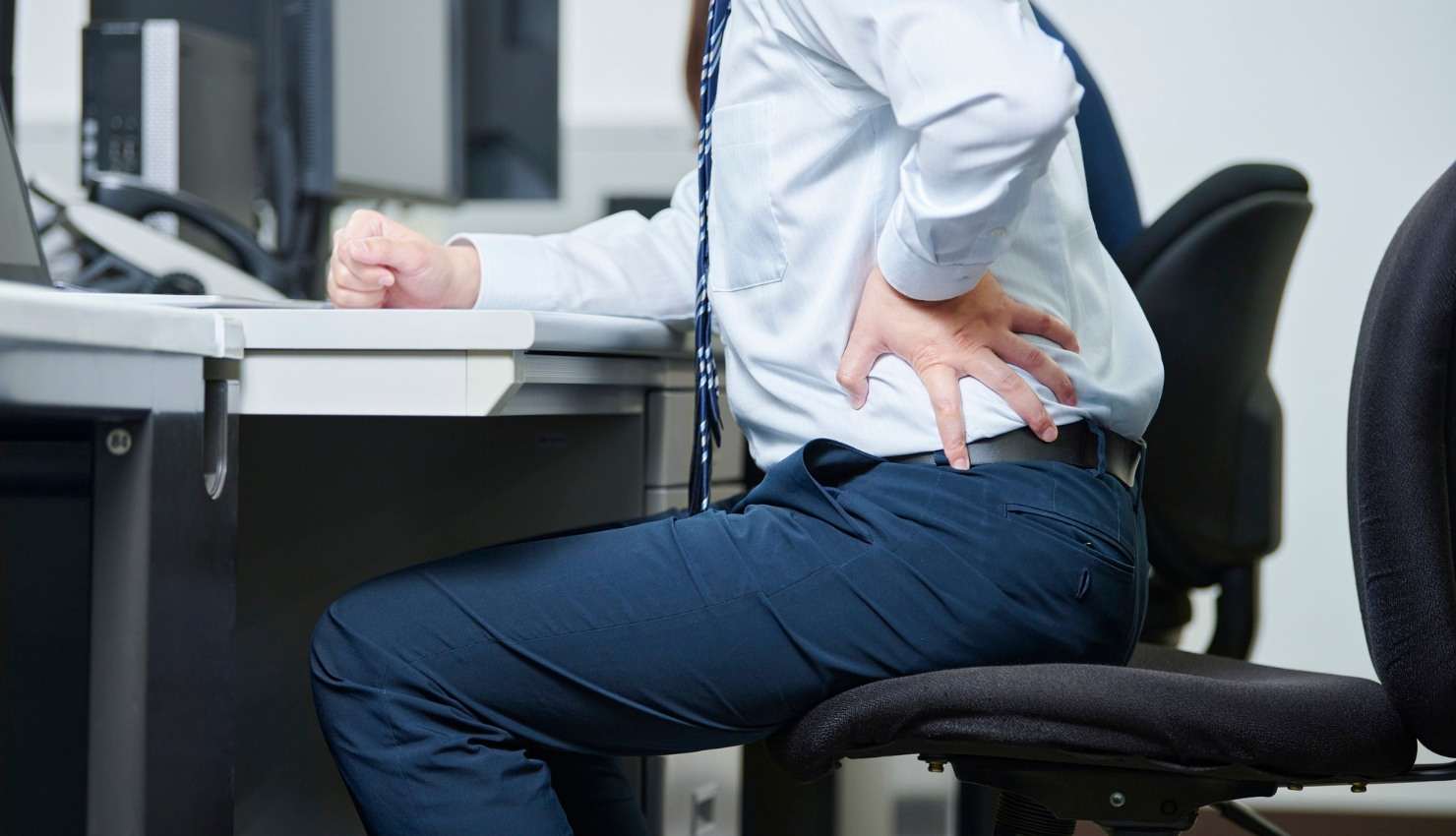
Prioritize Your Workspace Setup
Even if you dont have a dedicated office, the way you set up your workspace matters.
Essentials for a healthy desk setup:
Use a chair with good back support or add a cushion/towel for lumbar support.
Keep your screen at eye level to avoid neck strain.
Place your keyboard and mouse at elbow height to reduce shoulder and wrist tension.
Position your feet flat on the floor or on a footrest.
A few ergonomic tweaks can prevent aches and improve focus.
????? 2. Move Every 3060 Minutes
Sitting all day can lead to stiffness, poor circulation, and long-term health risks.
Simple ways to add movement:
Set a timer or use a break reminder app.
Stand up and stretch, walk around your home, or do a quick set of squats.
Take your calls standing or walking when possible.
Alternate between sitting and standing throughout the day.
Even 23 minutes of movement per hour can make a huge difference.
?? 3. Stay Hydrated and Snack Smart
Its easy to forget hydration and proper nutrition when working remotely.
Healthy habits to adopt:
Keep a water bottle at your desk and aim for regular sips.
Choose nutrient-dense snacks like fruits, nuts, yogurt, or hummus with veggies.
Avoid excessive caffeine and sugar, which can cause energy crashes.
? 4. Stick to a Consistent Routine
Structure helps your body and mind stay on trackeven when your schedule is flexible.
Try to:
Wake up and go to bed at the same time each day.
Set consistent work hours and take scheduled breaks.
Begin your day with a morning ritual (stretch, meditate, journal) to set the tone.
Commute with a short walk before and after work to mentally separate work from home life.
????? 5. Stretch to Release Tension
Desk work causes tension in the neck, back, shoulders, hips, and wrists.
Daily stretches to include:
Neck side bends and chin tucks
Shoulder rolls and chest openers
Seated spinal twists
Wrist and forearm stretches
Hip flexor and hamstring stretches
Stretching improves flexibility, relieves stress, and prevents chronic pain.
?? 6. Take Mental Breaks, Too
Your brain needs downtime to recharge and stay sharp.
Quick mental reset ideas:
Practice deep breathing or short mindfulness exercises.
Step outside for fresh air and a change of scenery.
Listen to calming music or a short podcast that inspires you.
Avoid jumping between work tasks and choresgive your brain one focus at a time.
?? 7. Keep Your Workspace Clean and Positive
A cluttered, dark space can affect your mood and productivity.
Create a space that supports you:
Let in natural light whenever possible.
Add a plant, candle, or meaningful object to your desk.
Tidy up at the end of each day for a fresh start tomorrow.
????? 8. Listen to Your Body
Don’t push through discomfort. Small signslike shoulder tension, eye strain, or wrist painare early warnings.
Respond to your bodys signals:
Adjust your posture or take a break.
Do a quick stretch or walk.