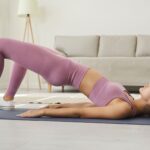
Schedule Movement Like a Meeting The best way to stay active? Treat movement like an essential part of your day.

Schedule Movement Like a Meeting
The best way to stay active? Treat movement like an essential part of your day.
Ideas:
Set an alarm to stand or stretch every 3060 minutes
Block off movement breaks on your calendar
Use your lunch break for a walk, yoga, or light cardio
Begin and end your day with a quick 510 minute routine
Consistency matters more than intensityjust keep moving throughout the day.
????? 2. Use a Standing Desk or Alternate Positions
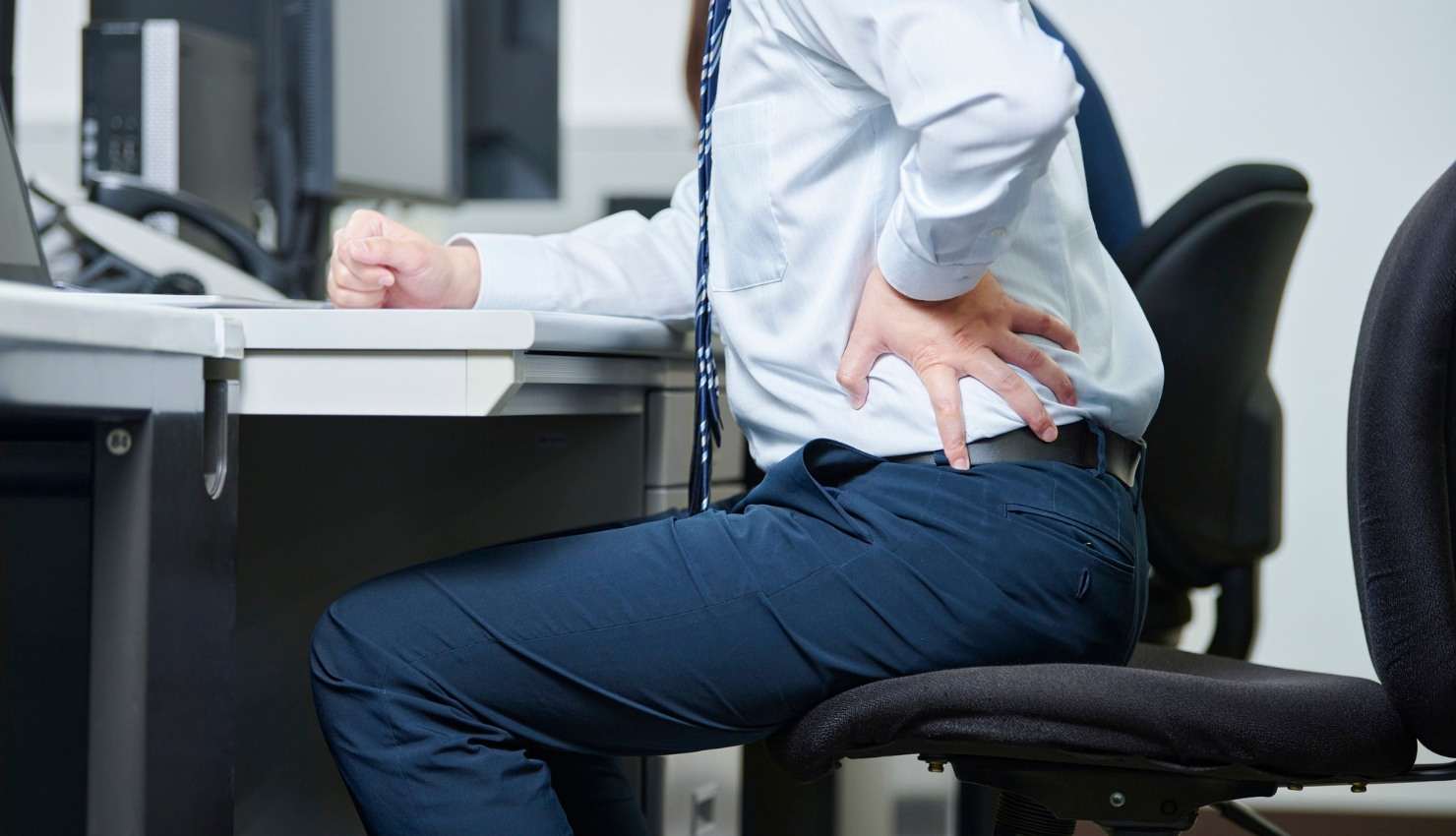
Sitting for long stretches places strain on your spine and muscles.
Try:
A standing desk or laptop riser
Alternating between sitting and standing throughout the day
Sitting on an exercise ball for brief periods to engage your core
Taking calls while standing or walking
Even standing for just 15 minutes every hour helps reduce fatigue and stiffness.
????? 3. Incorporate Micro-Workouts
You dont need a full workout to get resultsshort bursts of activity add up.
Try micro-workouts like:
10 squats, lunges, or jumping jacks between tasks
510 minutes of HIIT during your break
A quick YouTube fitness video during lunch
Desk-friendly exercises: seated leg lifts, calf raises, shoulder rolls
A few minutes here and there can total 30+ minutes by the end of your day.
????? 4. Stretch Frequently
Stretching improves flexibility, boosts circulation, and relieves the muscle tension that builds up during desk work.
Essential stretches for remote workers:
Neck rolls and side bends
Shoulder rolls and chest openers
Spinal twists and forward folds
Hip flexor and hamstring stretches
Wrist and forearm stretches
Aim to stretch at least 23 times a day, especially if you sit for long periods.
?? 5. Build Activity Into Everyday Tasks
Movement doesnt always have to be structured.
Sneaky ways to stay active:
Walk during phone calls or meetings
Take stairs instead of elevators
Do squats while brushing your teeth
Pace the room while thinking or reading
Set up a walking loop in your home for short laps
All movement countsit doesnt have to be a workout to benefit your health.
?? 6. Take Active Mental Breaks
Mental fatigue often leads to physical stillness. Use brain breaks as an opportunity to move.
Instead of scrolling your phone:
Step outside for fresh air
Dance to your favorite song
Do a few yoga poses
Walk around your home or do light housework
Movement resets your mind as much as your body.
?? 7. Use Technology for Accountability
Apps and wearables can remind and motivate you to move.
Helpful tools:
Activity trackers (Fitbit, Apple Watch, etc.)
Stretch or movement reminder apps
Online classes or fitness challenges
Virtual walking groups with friends or coworkers
Accountability increases follow-through and makes activity more fun.
?? 8. Dont Skip a Real Workout
While staying generally active is crucial, your body also needs dedicated movement sessions a few times a week.
Include:
2030 minutes of moderate cardio (brisk walking, cycling, dancing)
Strength training (bodyweight, resistance bands, light weights)
Flexibility and balance exercises (yoga, Pilates)
Aim for at least 150 minutes of moderate exercise each week, as recommended by the WHO.