How to Address Pelvic Floor Dysfunction with Physiotherapy explores targeted strategies for recovery. Discover new paths to mobility, healing, and personalized care.

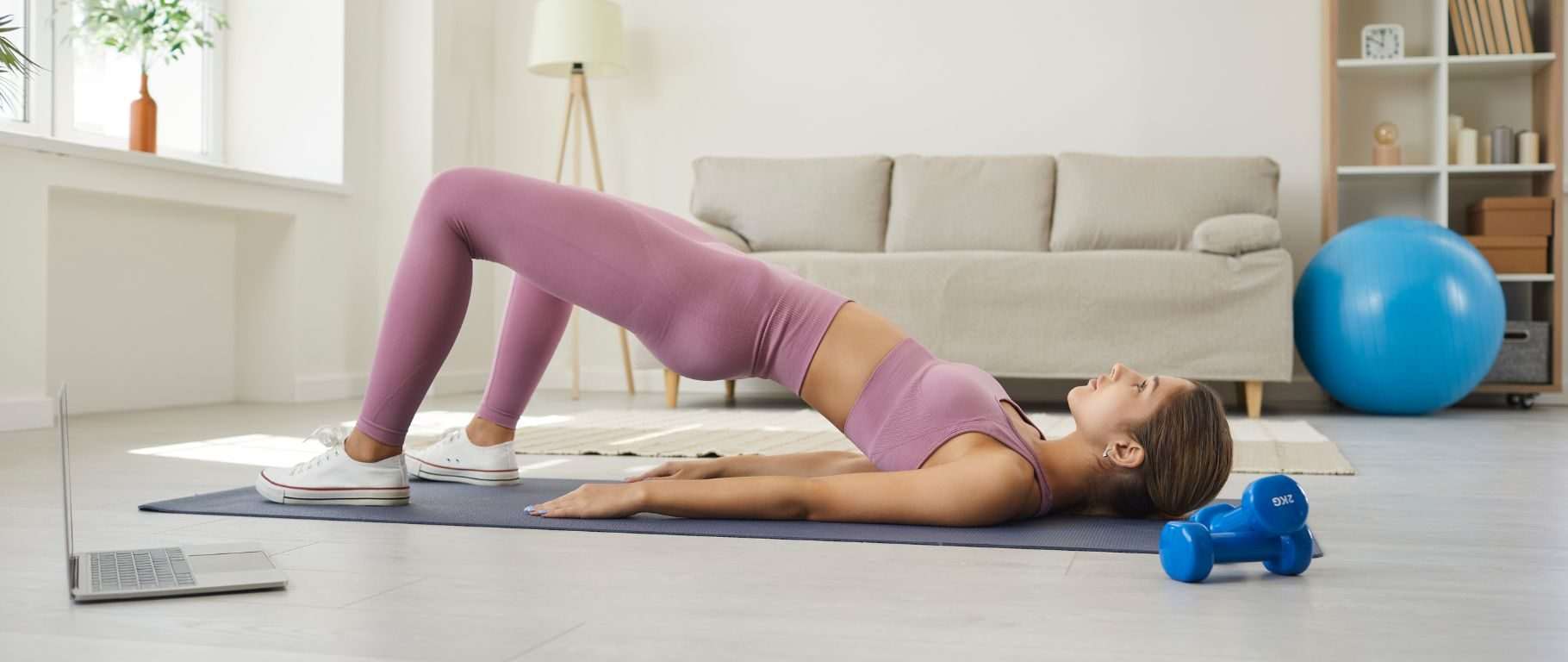
Pelvic floor dysfunction is a common but often misunderstood condition that affects people of all ages and backgrounds. Whether it shows up as bladder leakage, pelvic pain, pressure, constipation, or pain with intimacy, the underlying issue usually stems from an imbalance or dysfunction in the pelvic floor muscles. The good news? Pelvic floor physiotherapy offers a highly effective, evidence-based solution.
At YourFormSux (YFS), we help individuals across Toronto restore pelvic health through specialized physiotherapy that targets the root causesnot just the symptomsof pelvic floor dysfunction. Our approach focuses on personalized care, functional rehabilitation, and body-wide integration.
Lets explore what pelvic floor dysfunction is, how it shows up, and how physiotherapy can help you regain comfort, control, and confidence.
What Is Pelvic Floor Dysfunction?
The pelvic floor is a group of muscles and connective tissues that form a supportive hammock at the base of the pelvis. These muscles play a critical role in:
Supporting the bladder, uterus, and rectum
Controlling bowel and bladder movements
Maintaining healthy sexual function
Stabilizing the spine and pelvis during movement
Regulating intra-abdominal pressure in coordination with the core and diaphragm
Pelvic floor dysfunction occurs when these muscles are too tight, too weak, uncoordinated, or imbalanced. This can cause a wide range of symptoms, including:
Urinary incontinence (leakage, urgency, frequency)
Pelvic organ prolapse (a sensation of heaviness or bulging)
Constipation or straining during bowel movements
Pelvic, tailbone, or low back pain
Pain during or after intercourse
Difficulty starting or stopping the flow of urine
Muscle spasms or tightness in the hips, glutes, or inner thighs
Pelvic floor dysfunction can result from childbirth, surgery, poor posture, injury, chronic stress, hormonal shifts, or even athletic overuse. Regardless of the cause, physiotherapy offers a direct and personalized path to recovery.
How Physiotherapy Treats Pelvic Floor Dysfunction
At YourFormSux, we approach pelvic floor dysfunction as a whole-body issue. Our pelvic health physiotherapists are trained to assess not just the pelvic muscles but also posture, breath, movement, and nervous system function. This ensures we target the root causesnot just surface-level symptoms.
Heres how pelvic floor physiotherapy works:
1. Comprehensive Assessment
Treatment always starts with an in-depth assessment that may include:
Postural analysis and movement screening
Breathing and core activation patterns
Abdominal and pelvic floor muscle evaluation
Optional internal exam (with your consent) to assess tension, strength, coordination, and tenderness
History of surgeries, injuries, childbirth, stress, or lifestyle factors
This allows us to create a treatment plan tailored specifically to your needs, goals, and comfort level.
2. Manual Therapy to Release Tension or Scar Tissue
If your pelvic floor is overactive or tenseoften the case with pelvic pain, urgency, or constipationyour physiotherapist may use gentle manual therapy to release:
Tight pelvic muscles
Trigger points or muscle knots
Scar tissue from surgeries (like C-sections or hysterectomies)
Fascial restrictions around the hips, pelvis, or lower back
This helps reduce pain, restore tissue mobility, and create space for functional muscle activation.
3. Pelvic Floor Muscle Retraining
Contrary to popular belief, not everyone with pelvic floor dysfunction needs to do Kegels. In fact, many people need to relax, not strengthen their pelvic floorespecially those with chronic pain or urgency.
Depending on your condition, your plan may include:
Down-training techniques to relax overactive muscles
Strengthening exercises for weak or underactive muscles
Coordination drills to improve timing and responsiveness
Endurance training to support your muscles throughout the day
We guide you in learning how to properly contract, relax, and use these muscles in real-life movement, not just during isolated exercises.
4. Breathwork and Core Integration
The pelvic floor works closely with the diaphragm, deep abdominal muscles, and spinal stabilizers. If your breathing is shallow or your core is disconnected, your pelvic floor may be compensating.
We teach breath-led movement that restores:
Proper pressure management
Dynamic core-pelvic coordination
Stability during lifting, walking, or exercising
Nervous system regulation (especially important for pain and urgency)
This functional approach makes your pelvic floor support you in real-world activities, not just on a treatment table.
5. Movement Re-education and Posture Correction
How you sit, stand, walk, and exercise affects your pelvic floor. Poor mechanics or compensation patterns can keep dysfunction in place. Through movement coaching, we help you:
Retrain healthy movement patterns
Reduce strain on the pelvis and spine
Rebuild balance and symmetry
Improve athletic performance or return-to-sport safely
Your plan may include specific exercises for the hips, glutes, abdominals, and backall of which support pelvic health.
6. Bladder, Bowel, and Lifestyle Education
We also support you with practical strategies to reduce triggers and improve daily habits, including:
Bladder retraining to reduce urgency and frequency
Toileting posture and techniques for better bowel movements
Fluid and fiber intake guidance
Strategies to avoid straining or breath-holding
Pelvic-friendly movement modifications
These changes can significantly improve your confidence, comfort, and quality of life.
Who Should Consider Pelvic Floor Physiotherapy?
You may benefit from pelvic floor physiotherapy if you experience:
Urinary or fecal leakage
Pelvic heaviness or prolapse symptoms
Pain in the hips, back, or pelvis
Pain with sex or tampon use
Bowel issues like straining or incomplete emptying
Postpartum pelvic issues
Difficulty with high-impact activities due to core or pelvic symptoms
A desire to prevent issues before they start
At YFS, we work with people of all ages, genders, and life stagesincluding postpartum recovery, post-surgical rehab, and preventive care.
Why Choose YourFormSux?
YourFormSux is a trusted provider of pelvic health physiotherapy in Toronto, known for our whole-body, results-driven approach. We offer:
Private, respectful sessions focused on your comfort
Trauma-informed care grounded in trust and collaboration
Customized treatment plans designed around your goals
Clinically proven techniques rooted in up-to-date research
Supportive education so you can stay informed and empowered
Whether you’re navigating a new diagnosis or have been living with symptoms for years, were here to help you heal fully and functionally.