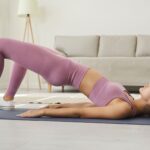
Even short bursts of stretching can:

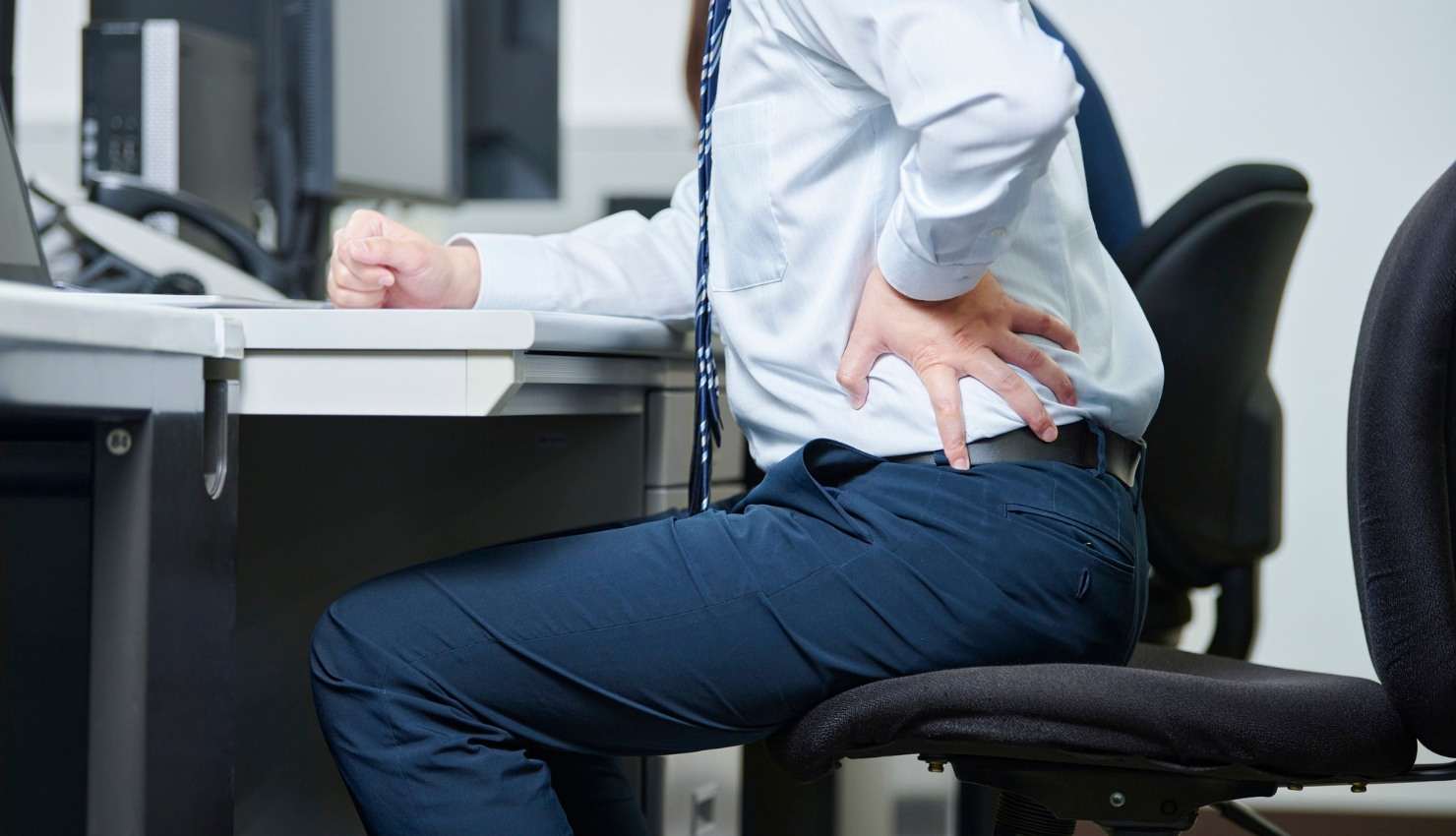
Even short bursts of stretching can:
Relieve tension and muscle stiffness
Improve posture and joint mobility
Boost circulation and energy
Reduce your risk of repetitive strain injuries
Help you reset mentally and physically between tasks
Just 12 minutes of stretching every hour can make a big difference in how your body feels by the end of the day.
?? 1. Build a Stretching Routine into Your Day
?? Stretch Timing Suggestions:
First thing in the morning to wake up your body
Every 3060 minutes of desk time
During lunch or coffee breaks as a quick reset
After your workday to release built-up tension
Use a timer or app to remind you until it becomes a habit.
?? 2. 5 Simple Stretches You Can Do at Your Desk
These stretches take less than a minute each and target common tension points for remote workers:
? Neck and Shoulder Stretch
Sit tall. Gently tilt your head toward one shoulder.
Hold for 1530 seconds. Switch sides.
Optional: Gently pull your head with your hand for a deeper stretch.
?? Chest Opener (Doorway Stretch)
Stand in a doorway, place arms at 90 degrees on the frame.
Step forward until you feel a stretch across your chest.
Hold for 2030 seconds.
?? Spinal Twist
While seated, place your right hand on the back of your chair, left hand on your right knee.
Gently twist to the right, looking over your shoulder.
Hold 1530 seconds. Switch sides.
?? Seated Hamstring Stretch
Sit near the edge of your chair. Extend one leg out, heel on the floor, toes up.
Hinge forward at the hips (not the spine) to stretch the back of the leg.
Hold 2030 seconds per side.
?? Wrist and Forearm Stretch
Extend your arm, palm up. Gently pull back your fingers with your other hand.
Hold 15 seconds. Repeat palm down. Switch hands.
These stretches help reverse the effects of sitting and typing for long periods.
?? 3. Make Stretching Part of Your Workflow
Turn everyday moments into stretch breaks:
Waiting for a file to download? Do shoulder rolls.
On a video call? Stretch your legs under the desk.
After sending a big email? Do a quick neck stretch.
Feeling stressed? Take a deep breath and add a chest opener.
Stretching doesnt have to be a formal workoutjust keep your body moving.
?? 4. Focus on the Most Affected Areas
When you sit for long periods, certain muscles become tight while others weaken. Focus your stretches on:
Neck and shoulders for screen-related tension
Chest to counteract rounded posture
Hip flexors and hamstrings tight from prolonged sitting
Wrists and forearms strained from typing and mousing
?? 5. Use Tools and Props
Add variety and depth to your stretches with:
A foam roller for back, legs, and glutes
Resistance bands for assisted stretches
A yoga mat for floor-based mobility work
Apps like Stretchly, Stand Up!, or YouTube stretching routines
A little guidance can make your stretching more effective and engaging.