Set Up Your Desk for Success An ergonomic setup is the foundation of a pain-free workday.

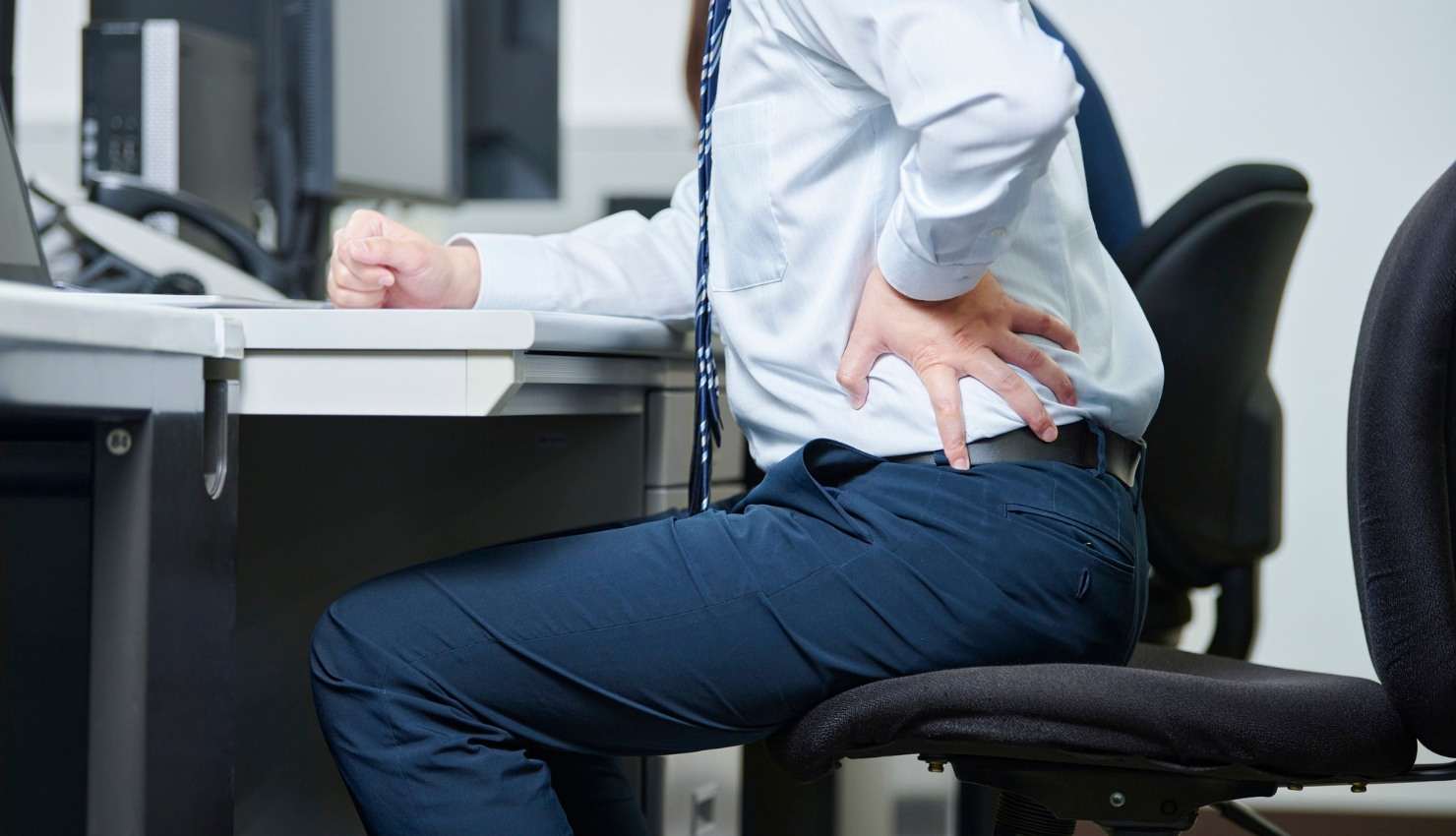
Set Up Your Desk for Success
An ergonomic setup is the foundation of a pain-free workday.
?? Ergonomic Essentials:
Monitor: The top of your screen should be at or slightly below eye level.
Chair: Use one with lower back supportor add a rolled towel at your lumbar curve.
Feet: Keep them flat on the floor or supported by a footrest or sturdy box.
Keyboard & Mouse: Elbows at 90°, wrists straight, and shoulders relaxed.
Even small adjustments can dramatically reduce pressure on your spine and joints.
?? 2. Follow the 303030 Rule
Sitting for hours without a break tightens muscles and compresses spinal discs.
? Try this:
Every 30 minutes, take 30 seconds to stand, stretch, or walk 30 steps.
Set a reminder or use apps like Stretchly or Focus Booster.
Take calls while standing or walking to naturally build in movement.
Frequent micro-breaks reduce stiffness and promote circulation.
?? 3. Stretch to Release Tension
Target key tension zonesespecially if you sit for extended periods.
Simple Desk Stretches:
Neck rolls and chin tucks to relieve tech neck
Seated spinal twist for mid-back relief
Shoulder rolls and doorway chest stretch to open the upper body
Hip flexor stretch to counteract tight hips from sitting
Stretching just 510 minutes a day can ease pain and improve posture.
?? 4. Support Your Posture Throughout the Day
Posture isnt about sitting perfectly stillits about staying aligned and dynamic.
Posture Tips:
Keep your head over your shouldersnot jutting forward
Sit tall with a neutral spineavoid rounding your lower back
Adjust your screen height to avoid slouching
Try a lumbar cushion or towel roll for lower back support
Consider alternating between sitting and standing if you have access to a standing desk.
?? 5. Build Movement into Your Routine
Long work hours dont have to mean all-day sitting.
Ideas to Stay Active:
Take stretch breaks every hour
Use walking meetings or stand during video calls
Add mini exercises like calf raises, squats, or wall push-ups
Keep a foam roller or yoga mat nearby for short movement sessions
Your body thrives on varietydont stay in one position too long.
????? 6. Know When to Get Help
If you’re feeling persistent pain, it’s important to take it seriously.
A physiotherapist can:
Identify poor movement patterns or workstation issues
Treat tight or inflamed areas with manual therapy
Provide a personalized plan to prevent further pain
Guide strengthening and stretching exercises for long-term relief
The sooner you address discomfort, the easier it is to reverse.
? Final Tips for a Pain-Free Workday
Habit Why It Helps
Sit with support Reduces spine and neck stress
Stretch often Relieves muscle tightness
Move regularly Improves circulation and flexibility
Use ergonomic tools Promotes natural posture
Listen to your body Early action prevents chronic pain
?? In Summary
Preventing pain at your home desk isnt about perfectionits about awareness, adjustment, and action. By creating a smarter workspace, taking breaks, and tuning into your bodys needs, you can work longer hours without sacrificing your health.
Protect your body today so you can keep working pain-free tomorrow.