Mobility is your bodys ability to move freely and easily through full ranges of motion. Unlike flexibility (which is about muscle length), mobility involves joint control, muscle activation, and movement quality.

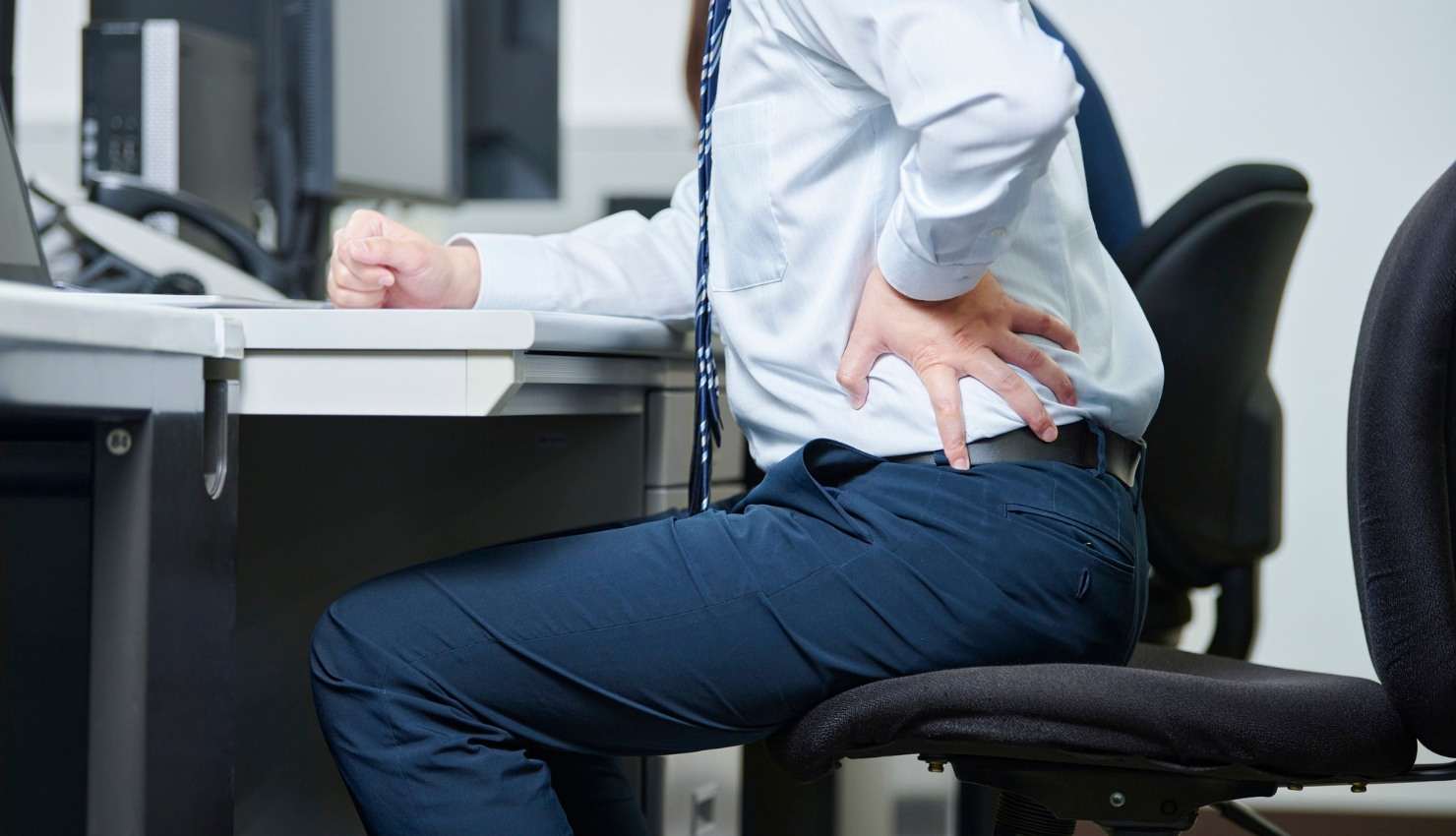
Mobility is your bodys ability to move freely and easily through full ranges of motion. Unlike flexibility (which is about muscle length), mobility involves joint control, muscle activation, and movement quality.
Poor mobility can lead to:
Joint stiffness
Muscle tightness
Poor posture
Increased risk of injury
Staying mobile helps you feel better, work better, and prevent pain from building up.
?? 1. Break Up Long Sitting Periods
Sitting all day reduces blood flow and shortens your musclesespecially in the hips and back.
? Try This:
Stand up every 3060 minutes
Use a timer or app to remind you to move
Alternate between sitting and standing if possible
Take walking meetings or quick 5-minute movement breaks
Movement is medicineregular micro-breaks keep joints mobile and muscles awake.
?? 2. Add Daily Mobility Drills
Just a few minutes of focused mobility work can make a big difference.
? Top Drills for Home Workers:
Cat-Cow: Loosens the spine and activates the core
Hip Circles: Lubricates tight hip joints
Neck Rolls & Chin Tucks: Releases neck tension
Thoracic Rotations: Improves upper back mobility
Worlds Greatest Stretch: Opens hips, spine, and shoulders
These can be done in your office clothes, right beside your desk.
?? 3. Stretch What Gets Tight From Sitting
Sitting tightens certain muscle groups that need regular stretching to stay mobile.
?? Focus Areas:
Muscle Group Why It Matters Stretch Suggestion
Hip flexors Shortened by sitting Lunge stretch
Hamstrings Stiff from poor posture Standing or seated hamstring stretch
Chest/shoulders Rounded from desk posture Doorway pec stretch
Neck Forward head posture Ear-to-shoulder and neck tilts
Spine Becomes rigid when inactive Seated twists, forward folds
Stretching 510 minutes a day can undo hours of tension.
?? 4. Train Mobility with Movement, Not Just Stretching
True mobility includes control through rangenot just passive flexibility.
?? Active Mobility Ideas:
Bodyweight squats with a deep hold
Wall angels for shoulder mobility
Glute bridges to activate hips and protect the lower back
Ankle circles and toe lifts to support foot and knee function
Use full-body movement patterns to maintain dynamic mobility.
?? 5. Build Movement into Your Workflow
Make mobility part of your daynot just something you add on later.
?? Everyday Mobility Boosters:
Keep a yoga mat or foam roller nearby for quick use
Set a daily goal: e.g., 5 mobility moves before lunch
Stretch during video calls or while reading
Use mobility flow videos as a break between tasks
Consistent mini-sessions are more effective than once-a-week stretching marathons.
? Final Tips: Make Mobility a Daily Habit
Tip Why It Works
Move every hour Prevents stiffness before it starts
Stretch key areas Reverses sitting-related tension
Do mobility flows Keeps joints strong and stable
Vary your posture Promotes natural movement
Stay aware Catch tension before it becomes pain
?? In Summary
Improving your mobility while working from home is less about doing more, and more about doing simple things more consistently. With a few desk-friendly habits and focused movements, youll feel looser, stronger, and more comfortableno matter how long your workday is.