Pelvic health plays a critical role in overall well-being, yet it often goes unnoticed until problems like incontinence, discomfort, or pelvic pain arise. Fortunately, many pelvic floor issues can be prevented or managed through daily exercises that support muscle balance, control, and endurance.

Pelvic health plays a critical role in overall well-being, yet it often goes unnoticed until problems like incontinence, discomfort, or pelvic pain arise. Fortunately, many pelvic floor issues can be prevented or managed through daily exercises that support muscle balance, control, and endurance. These exercises are simple, require no equipment, and can be done at home. For women in Canada looking to take charge of their pelvic health, physiotherapy-led daily movement can be the key to long-term stability and confidence.
Why Pelvic Health Matters
The pelvic floor is a group of muscles that form a supportive hammock at the base of the pelvis. These muscles help control bladder and bowel function, support internal organs, and contribute to posture, core stability, and sexual health. Weakness or dysfunction in the pelvic floor can result in:
Urinary or fecal incontinence
Pelvic organ prolapse
Pain during intercourse
Lower back or hip pain
Poor posture and instability
By incorporating targeted pelvic exercises into a daily routine, you can maintain or improve the strength and coordination of these essential muscles.
Getting Started: What You Need to Know
Before jumping into exercises, it’s important to understand:
The pelvic floor can be too tight, too weak, or poorly coordinated
Proper technique matters more than repetition
Breathing, posture, and relaxation are part of effective pelvic floor care
A pelvic health physiotherapist can assess your baseline function and ensure you’re doing exercises correctly.
Top Daily Exercises for Pelvic Health
Here are five physiotherapy-recommended exercises that support better pelvic function and can be done in just a few minutes each day:
1. Pelvic Floor Contractions (Kegels)
These help strengthen the muscles responsible for bladder and bowel control.
Sit or lie comfortably
Gently contract the muscles you’d use to stop urinating midstream
Hold for 5 seconds, then relax for 5 seconds
Repeat 10 times, 2-3 times a day
Avoid squeezing your buttocks or holding your breath. Focus on isolated pelvic floor engagement.
2. Diaphragmatic Breathing
Proper breathing relaxes the pelvic floor and improves core engagement.
Sit or lie on your back with one hand on your chest and the other on your belly
Inhale deeply through your nose, letting your belly expand
Exhale slowly through your mouth, allowing your belly to fall
Repeat for 5 minutes, once or twice a day
This reduces tension and builds awareness of the pelvic area.
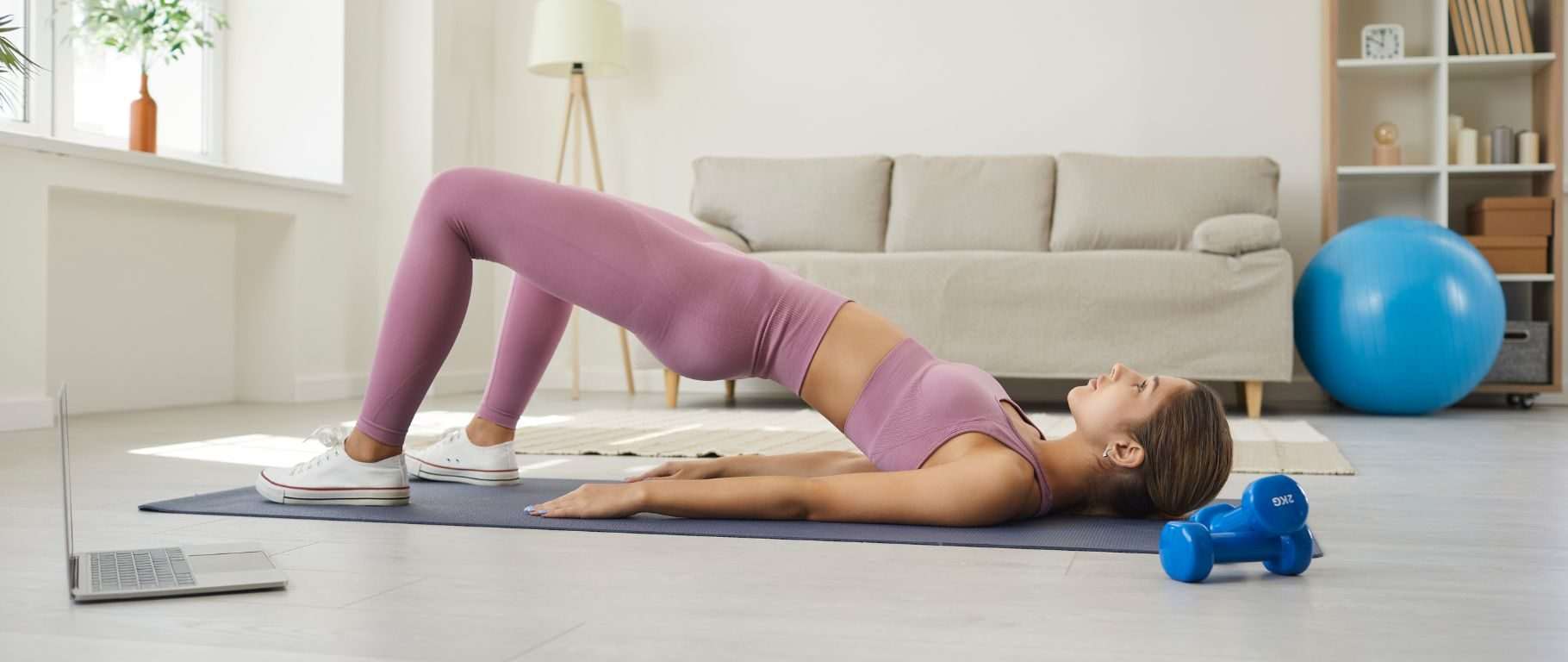
3. Bridge Pose
Strengthens the glutes and supports the pelvic region.
Lie on your back with knees bent and feet flat
Engage your core and lift your hips until your body forms a straight line
Hold for 5 seconds, then lower slowly
Repeat 1015 times
Pair this movement with pelvic floor activation at the top of each lift for added benefit.
4. Happy Baby Stretch
Gently releases tension in the pelvic floor.
Lie on your back and pull your knees toward your chest
Hold the outside of your feet with your hands
Gently open your hips and hold for 3060 seconds
Breathe deeply to encourage pelvic floor relaxation
This stretch is especially helpful for tight or overactive pelvic muscles.
5. Heel Slides with Core Engagement
Improves coordination between the core and pelvic floor.
Lie on your back with knees bent
Inhale, then exhale as you slowly slide one heel forward, keeping your core engaged
Inhale to return, then repeat on the other side
Perform 10 slides on each leg
This exercise trains pelvic stability during movement.
Tips for Success
Be consistent: A few minutes each day adds up over time
Dont overdo it: Rest days are just as important for recovery
Use cues like brushing your teeth or waking up to remind yourself to exercise
Progress slowly and consult a physiotherapist if symptoms worsen
When to See a Physiotherapist
If youre unsure whether your pelvic floor is tight or weak, or if you experience symptoms like leaking, pain, or heaviness, consulting a pelvic health physiotherapist is essential. In Canada, licensed professionals can provide a personalized assessment and safe progression plan based on your unique needs.
Long-Term Benefits of Daily Pelvic Health Exercises
Improved bladder and bowel control
Reduced risk of pelvic organ prolapse
Enhanced sexual function and comfort
Better posture and core strength
Reduced lower back and hip pain
Small daily habits can lead to big changes in how you feel, move, and function.
Conclusion
Maintaining pelvic health doesnt have to be complicated. With just a few minutes of dedicated movement each day, women can prevent dysfunction, relieve symptoms, and feel more in control of their bodies. These simple exercises, grounded in physiotherapy principles, provide a strong foundation for lifelong pelvic wellness. When done consistentlyand with the support of a trained physiotherapistthey become a powerful tool for health, stability, and confidence.