Pelvic floor dysfunction is a common yet often misunderstood condition affecting many women across different life stages. From postpartum recovery to menopause and beyond, the pelvic floor can become weak, tight, or uncoordinatedleading to symptoms that interfere with comfort, mobility, and daily life.

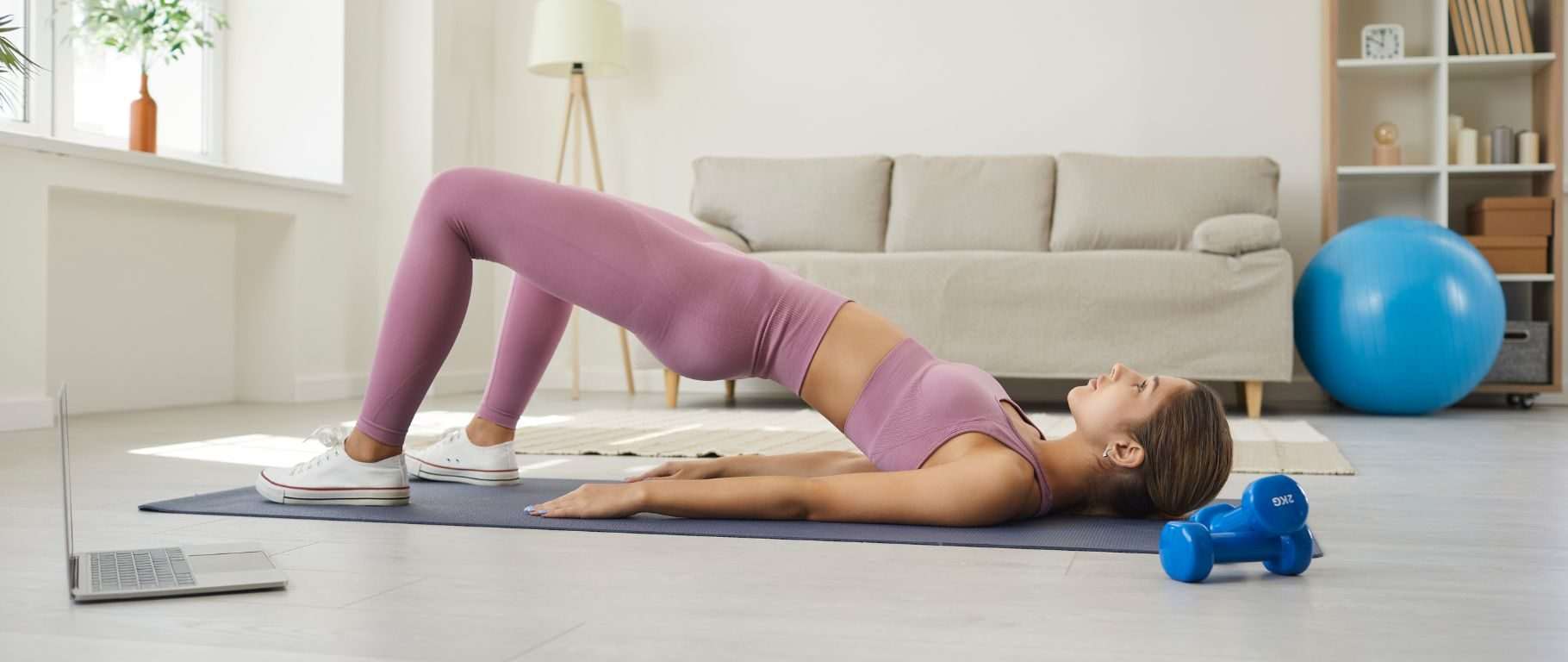
Pelvic floor dysfunction is a common yet often misunderstood condition affecting many women across different life stages. From postpartum recovery to menopause and beyond, the pelvic floor can become weak, tight, or uncoordinatedleading to symptoms that interfere with comfort, mobility, and daily life. Fortunately, physiotherapy provides an evidence-based, non-surgical approach to treating pelvic floor dysfunction effectively. With the guidance of a pelvic health physiotherapist, women in Canada can experience real improvements in their physical and emotional well-being.
What Is Pelvic Floor Dysfunction?
The pelvic floor is a group of muscles and connective tissues at the base of the pelvis that supports the bladder, uterus, rectum, and other organs. When these muscles dont work properlyeither by being too weak, too tight, or poorly coordinatedit leads to pelvic floor dysfunction. Symptoms may include:
Urinary incontinence or frequent urges
Constipation or straining during bowel movements
Pelvic pain or heaviness
Pain during intercourse
Difficulty starting or stopping urination
Lower back, hip, or abdominal discomfort
Pelvic floor dysfunction can be caused by pregnancy, childbirth, surgery, trauma, hormonal changes, chronic straining, or prolonged sitting. But in many cases, no single cause is identified.
The Role of Physiotherapy in Treatment
Physiotherapy targets the musculoskeletal and neurological components of pelvic floor dysfunction. A pelvic health physiotherapist will assess your symptoms, posture, breathing, core stability, and pelvic floor muscle activity before developing a customized treatment plan. Heres how physiotherapy can help:
1. Pelvic Floor Muscle Training
A weak pelvic floor can lead to incontinence and prolapse, while an overactive one may cause pain and tension. Physiotherapists use:
Internal and external assessments to understand muscle function
Tailored strengthening (like Kegels) or relaxation strategies
Biofeedback to improve coordination and control
Functional exercises that integrate the pelvic floor with daily movements
This ensures the muscles work in harmony, supporting both continence and comfort.
2. Manual Therapy Techniques
Manual therapy can reduce tightness, trigger points, and restrictions in the pelvic and surrounding areas. Techniques may include:
Myofascial release
Internal soft tissue mobilization
Scar tissue management (post-surgery or childbirth)
Joint mobilizations for spine and pelvis
These hands-on approaches enhance mobility, reduce pain, and restore normal muscle tone.
3. Core and Posture Integration
Pelvic floor health is closely linked with core strength and postural alignment. Physiotherapists teach:
Safe abdominal engagement
Diaphragmatic breathing
Movement patterns that protect the spine and pelvis
Postural re-education to reduce strain on the pelvic floor
Correcting these mechanics supports long-term function and reduces symptom recurrence.
4. Education and Lifestyle Modifications
Understanding how daily habits influence pelvic health is essential for recovery. Physiotherapists provide advice on:
Bladder and bowel habits
Ergonomics during lifting or sitting
Safe return to exercise
Stress management and relaxation techniques
Lifestyle education empowers women to take ownership of their healing and prevent future issues.
When to Seek Help
If youre experiencing leakage, pelvic pressure, pain, or unexplained discomfort in the lower abdomen, its time to consult a pelvic health physiotherapist. In Canada, regulated professionals offer specialized services in both private clinics and some public health systems, making care accessible and safe.
Theres no need to wait for symptoms to become severeearly intervention leads to better outcomes.
Common Myths About Pelvic Floor Dysfunction
Myth: It only affects older women
Fact: It can affect women of all ages, especially after childbirth or surgery.
Myth: Kegels are the only solution
Fact: Some women need to relaxnot strengthentheir pelvic floor muscles.
Myth: Surgery is the only option
Fact: Physiotherapy often resolves or significantly improves symptoms without surgery.
The Canadian Approach to Pelvic Health
Canada is at the forefront of pelvic health physiotherapy, with practitioners trained in internal assessment, evidence-based treatment, and compassionate care. Whether recovering postpartum or managing menopause-related symptoms, Canadian women have access to high-quality support for pelvic wellness.
Conclusion
Pelvic floor dysfunction may be common, but it is not something you have to live with. Physiotherapy offers an effective, respectful, and empowering path to recovery. With targeted exercises, manual therapy, posture correction, and education, women can regain control of their pelvic health and enjoy a more active, comfortable life. Seeking help is the first step toward lasting reliefand a healthier, stronger you.