Bladder and bowel control issues are more common than many people realize, especially among women. Whether it’s leaking urine during exercise, struggling with sudden urgency, or facing bowel irregularities, these symptoms often stem from pelvic floor dysfunction.

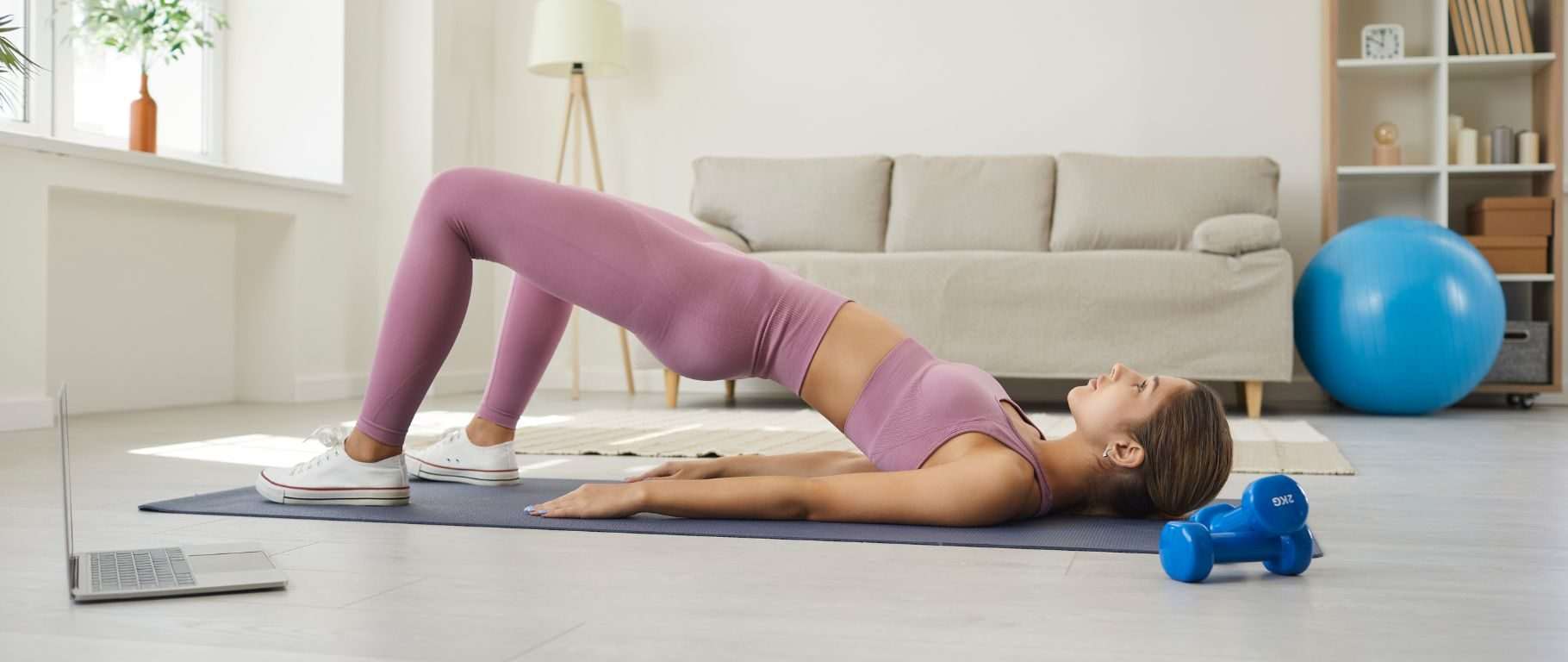
Bladder and bowel control issues are more common than many people realize, especially among women. Whether it’s leaking urine during exercise, struggling with sudden urgency, or facing bowel irregularities, these symptoms often stem from pelvic floor dysfunction. Fortunately, physiotherapy offers evidence-based techniques to improve control, rebuild muscle coordination, and restore quality of lifewithout surgery or medication.
This blog explores how pelvic health physiotherapy can help you take control of bladder and bowel problems through personalized care and guided rehabilitation.
Understanding Bladder and Bowel Control Problems
Both the bladder and bowel are supported and controlled by the pelvic floor muscles. These muscles act like a sling, holding the organs in place while also helping to control the release of urine and stool.
When these muscles are weak, tight, or poorly coordinated, the result can be:
Urinary incontinence (stress, urge, or mixed)
Fecal incontinence
Urinary urgency or frequency
Incomplete emptying of the bladder or bowel
Chronic constipation
Pelvic pressure or discomfort
These symptoms may be caused by pregnancy, childbirth, aging, menopause, surgery, or chronic straining. In many cases, people experience embarrassment or delay seeking care, which can worsen the condition.
How Physiotherapy Addresses Bladder Control
Pelvic health physiotherapy offers a non-invasive, targeted approach to improving urinary control.
1. Pelvic Floor Muscle Training
A physiotherapist assesses the function of your pelvic floor and teaches how to properly contract and relax these muscles. This training, sometimes supported by biofeedback, strengthens the muscles responsible for continence.
2. Bladder Retraining
This technique helps reset bladder habits by gradually increasing the time between voids. The physiotherapist provides a structured plan that reduces urgency and frequency over time.
3. Behavioral and Lifestyle Modifications
Your therapist may address fluid intake, caffeine reduction, and toileting habits that contribute to bladder dysfunction. This education supports lasting improvement without drastic lifestyle changes.
4. Postural Training
Good posture supports bladder function and allows pelvic floor muscles to work more efficiently. Exercises to improve core engagement and body alignment are often part of treatment.
How Physiotherapy Addresses Bowel Control
For bowel-related issues, the approach is slightly different but still rooted in improving pelvic floor and abdominal coordination.
1. Core and Pelvic Floor Coordination
Physiotherapy targets the synchrony between abdominal and pelvic muscles to aid in bowel control and proper evacuation without strain.
2. Manual Therapy for Muscle Tension
In cases of chronic constipation or rectal pain, physiotherapists use gentle internal or external techniques to release muscle tension and improve tissue mobility.
3. Biofeedback for Bowel Training
With biofeedback, patients learn to better sense and control the muscles involved in defecation. This can help reduce incomplete emptying and straining.
4. Education on Bowel Mechanics
Youll learn proper toileting posture, breathing techniques, and daily habits that promote regularity and reduce symptoms of constipation or leakage.
Who Should Seek Physiotherapy for Bladder and Bowel Issues?
Physiotherapy is suitable for a wide range of bladder and bowel problems, including:
Postpartum urinary incontinence
Menopause-related urgency
Post-surgical bowel dysfunction
Neurological conditions affecting control
Irritable bowel syndrome with pelvic involvement
Pelvic floor dyssynergia (improper coordination)
If you’ve noticed even minor symptomslike leaking with a sneeze or needing to rush to the bathroomits worth addressing early before it progresses.
Long-Term Benefits of Physiotherapy for Pelvic Health
Physiotherapy doesn’t just mask symptomsit treats the underlying dysfunction. Long-term benefits include:
Greater bladder and bowel control
Reduced use of pads or incontinence products
Improved confidence in social and physical settings
Lower risk of prolapse and related complications
Enhanced core strength and body awareness
Improved quality of life without medications
Physiotherapists focus on gradual, sustainable results, with exercises and habits you can maintain independently over time.
Final Thoughts
Bladder and bowel control issues can feel isolating, but they are treatable. Physiotherapy provides a personalized, respectful, and proven approach to regaining pelvic control and eliminating the fear of accidents.
With guidance from a skilled pelvic health physiotherapist, you can rebuild muscle coordination, understand your body better, and live with greater comfort and confidence. Dont let bladder or bowel problems hold you backearly care makes all the difference.