Pelvic floor health plays a crucial role in long-term physical well-being, yet it is often overlooked until problems arise. This network of muscles, ligaments, and connective tissues supports key organs like the bladder, uterus, and bowel.

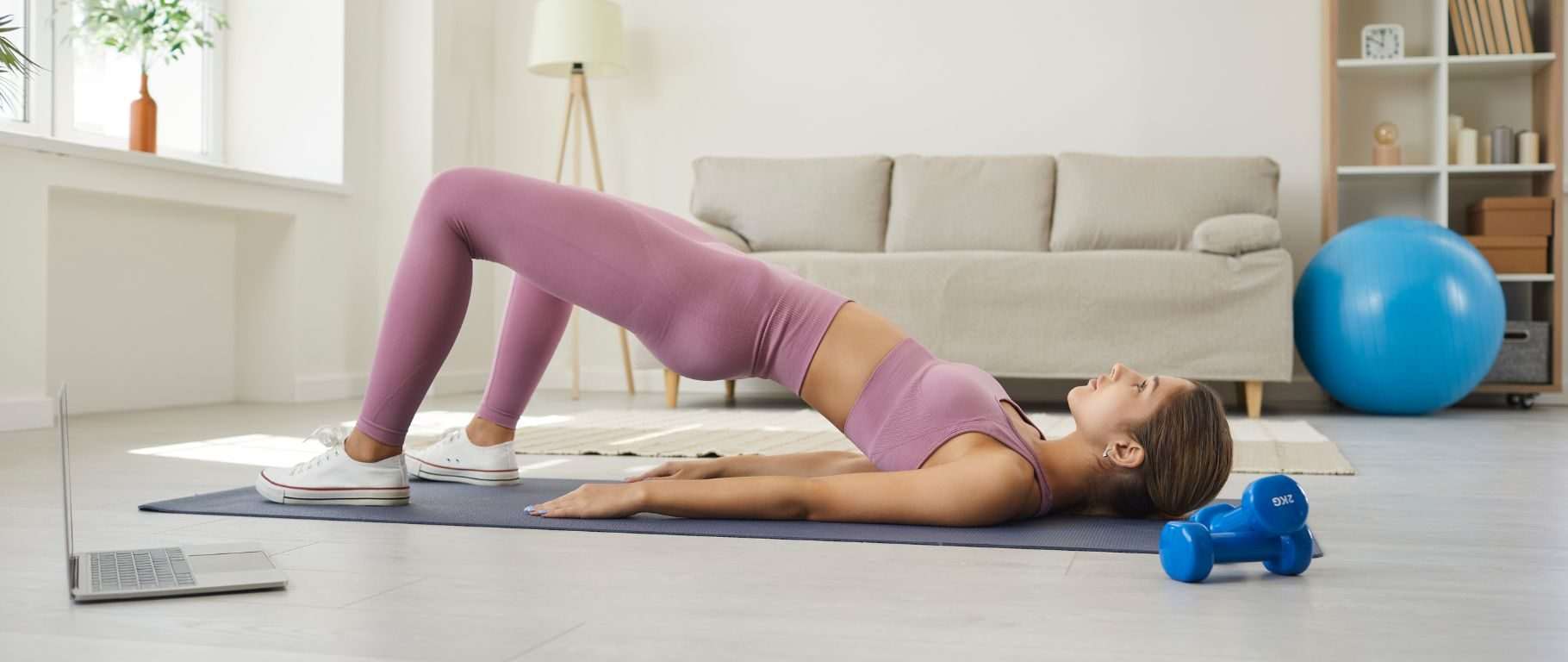
Pelvic floor health plays a crucial role in long-term physical well-being, yet it is often overlooked until problems arise. This network of muscles, ligaments, and connective tissues supports key organs like the bladder, uterus, and bowel. When functioning properly, the pelvic floor ensures continence, supports posture, and contributes to sexual health. But when weakened or dysfunctional, it can trigger or worsen chronic conditions that impact mobility, energy, and quality of life.
For women in particular, the risk of pelvic floor dysfunction increases during life stages such as pregnancy, menopause, and post-surgery recovery. With the support of a pelvic floor physiotherapist, many chronic symptoms can be prevented, managed, or even reversed before they develop into lasting health issues.
The Link Between Pelvic Floor Dysfunction and Chronic Conditions
A weakened pelvic floor doesn’t just result in urinary incontinence or pelvic painit can be a gateway to long-term complications. Left untreated, dysfunction in these muscles can contribute to chronic back pain, hip misalignment, and posture-related problems. Since the pelvic floor is part of the bodys deep core system, its strength is closely tied to spinal support and muscle balance throughout the torso and lower limbs.
In women, undiagnosed pelvic floor issues may lead to conditions like pelvic organ prolapse or persistent urinary tract infections. These complications can intensify over time, limiting movement, causing sleep disruption, and interfering with daily life.
Chronic Pain and the Role of the Pelvic Floor
Women experiencing chronic pelvic pain often live with discomfort for years before receiving a proper diagnosis. Symptoms may include a dull ache in the lower abdomen, sharp pain during intercourse, or lingering pain after physical activity. Many of these symptoms stem from overly tight or weak pelvic floor muscles that fail to coordinate properly with surrounding tissues.
Chronic conditions such as irritable bowel syndrome (IBS), endometriosis, or interstitial cystitis may also involve pelvic floor dysfunction as a contributing factor. In many cases, pain in the pelvis is part of a larger cycle that includes muscle tension, joint misalignment, and nerve hypersensitivity. Pelvic physiotherapy aims to address the root causes by retraining the bodys neuromuscular patterns and promoting proper muscle engagement.
Preventive Benefits of Pelvic Floor Physiotherapy
Proactive pelvic health physiotherapy offers an effective strategy for preventing chronic conditions. Through a personalized care plan, physiotherapists assess posture, breathing mechanics, core stability, and pelvic muscle control. Targeted interventions such as internal manual therapy, biofeedback, and guided exercises help restore strength and flexibility while reducing the risk of long-term dysfunction.
Prevention becomes especially important during life transitions such as pregnancy or menopause, when hormonal shifts can compromise pelvic muscle tone. Regular physiotherapy support during these stages helps mitigate strain, reduce risk of prolapse, and maintain continence.
Pelvic Floor and Posture-Related Health Challenges
When pelvic floor muscles are not in sync with the core, it can alter spinal alignment and create imbalance in the hips and lower back. This misalignment may lead to tension headaches, sciatica, or difficulty walking or exercising. Many women who suffer from chronic postural issues often discover that their pelvic floor plays a foundational role in their discomfort.
A trained pelvic physiotherapist can identify dysfunctional movement patterns and create a corrective program that supports upright posture and proper body mechanics. Over time, this improves resilience against chronic joint pain and muscle fatigue.
Lifestyle Factors That Affect Pelvic Health
Stress, poor posture, sedentary habits, and improper lifting techniques can all negatively impact pelvic floor function. Similarly, certain athletic activitiessuch as heavy weightlifting, long-distance running, or intense core exercisescan create excessive pressure on these muscles, leading to gradual dysfunction if not balanced with restorative care.
By including pelvic floor physiotherapy in a routine wellness plan, women can build better awareness of how their everyday activities affect deep core function. This awareness is key to making adjustments that prevent chronic pain and functional limitations.
Long-Term Health Outcomes of Investing in Pelvic Health
Addressing pelvic floor health early can dramatically change a womans health trajectory. Preventing incontinence, supporting core strength, avoiding prolapse, and reducing pelvic pain all contribute to a higher quality of life. Moreover, improved pelvic floor health supports better bowel health, sexual function, and emotional well-beingbenefits that extend far beyond the musculoskeletal system.
For women navigating hormonal changes, recovering from childbirth, or managing chronic illness, physiotherapy provides a practical and empowering approach to long-term wellness. By protecting and strengthening the pelvic floor, they gain greater confidence in their bodies and reduce the risk of chronic conditions down the road.