Pelvic organ prolapse (POP) affects a significant number of women, particularly those who have experienced childbirth, menopause, or chronic pressure on the pelvic region. This condition occurs when the pelvic floor muscles and connective tissues weaken, allowing one or more pelvic organssuch as the bladder, uterus, or rectumto descend into or outside of the vaginal …

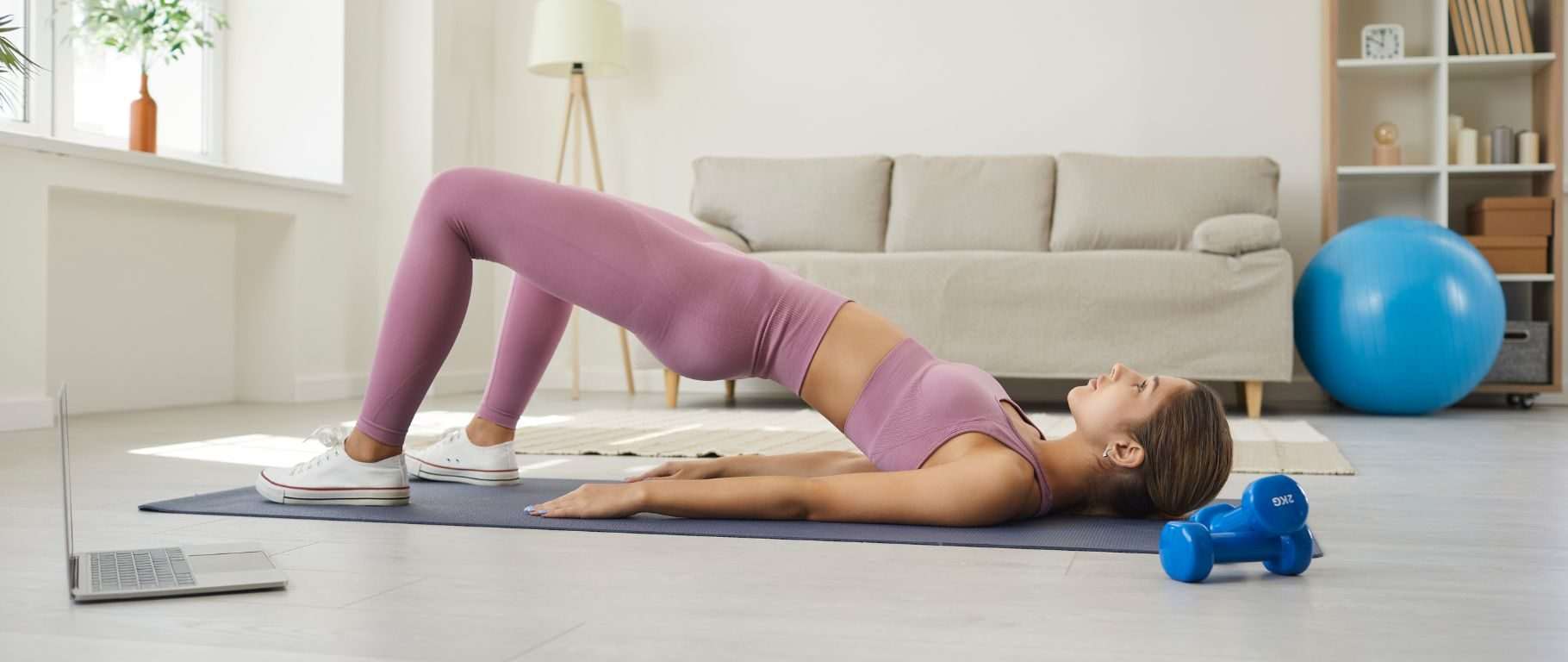
Pelvic organ prolapse (POP) affects a significant number of women, particularly those who have experienced childbirth, menopause, or chronic pressure on the pelvic region. This condition occurs when the pelvic floor muscles and connective tissues weaken, allowing one or more pelvic organssuch as the bladder, uterus, or rectumto descend into or outside of the vaginal canal.
While pelvic organ prolapse can range in severity, it often causes symptoms such as pressure in the pelvic region, a sensation of fullness, urinary leakage, or difficulty with bowel movements. Fortunately, physiotherapy provides effective, non-invasive techniques that help manage symptoms, improve pelvic muscle function, and prevent the condition from worsening.
Understanding Pelvic Organ Prolapse
Pelvic organ prolapse typically results from weakened or overstretched muscles and ligaments in the pelvic floor. This weakening can be caused by childbirth, aging, repeated heavy lifting, obesity, or chronic coughing. In some cases, hormonal changes during menopause can exacerbate the condition due to decreased collagen and muscle elasticity.
Many women with POP report discomfort when standing for long periods, increased symptoms during physical activity, or a noticeable bulge at the vaginal opening. Although surgery may be necessary in severe cases, pelvic floor physiotherapy is often the first-line treatment for mild to moderate prolapse.
The Role of Physiotherapy in POP Management
Pelvic floor physiotherapy addresses the root causes of prolapse by strengthening the pelvic muscles, improving posture, and restoring functional movement patterns. A skilled physiotherapist uses a comprehensive assessment to determine the grade of prolapse, evaluate muscle tone, and identify areas of dysfunction.
Treatment typically involves a combination of internal and external techniques aimed at activating the deep core system. When implemented consistently, these interventions can significantly reduce symptoms and improve pelvic support.
Key Physiotherapy Techniques for POP
Pelvic Floor Muscle Training (PFMT)
Also known as Kegels, pelvic floor muscle training focuses on activating and strengthening the muscles that support the bladder, uterus, and rectum. However, proper technique is critical. Many women unknowingly perform Kegels incorrectly, which can worsen symptoms or strain surrounding tissues. A physiotherapist can guide precise contractions and ensure the correct muscles are engaged.
Breathing and Pressure Management
Learning how to manage intra-abdominal pressure during movement and exercise is essential in preventing further prolapse. Physiotherapy incorporates diaphragmatic breathing, which coordinates breath with pelvic floor engagement and reduces downward pressure on the pelvic organs.
Postural Alignment Training
Poor posture can exacerbate POP by increasing strain on the pelvic region. Physiotherapists work to correct spinal alignment, hip positioning, and standing mechanics to reduce stress on the pelvic muscles. Aligning the rib cage, pelvis, and spine also promotes better core stability.
Core Stabilization Exercises
Strengthening the transverse abdominis and other core muscles helps distribute pressure more evenly across the abdomen and pelvis. Physiotherapy introduces controlled movements that build endurance and coordination in these muscle groups without triggering prolapse symptoms.
Manual Therapy and Biofeedback
In some cases, internal manual therapy may be used to release overly tight muscles or improve tissue mobility. Biofeedback tools can help women learn how to isolate and activate the pelvic floor more effectively, providing real-time feedback during exercises.
Lifestyle Modifications and Physiotherapy Support
Effective management of POP often includes changes to daily habits and activities. Physiotherapists educate women on proper lifting techniques, safe exercise modifications, and body mechanics to minimize strain. They may also recommend the use of vaginal support devices (pessaries) in collaboration with medical providers for additional structural support during rehabilitation.
Additionally, managing constipation, avoiding high-impact workouts, and addressing chronic coughing are essential steps in reducing prolapse progression.
When to Begin Pelvic Floor Physiotherapy
Early intervention is key. Women who experience a sensation of heaviness in the pelvis, urinary leakage, or visible bulging should seek evaluation from a pelvic health physiotherapist. However, even those without symptoms can benefit from preventive pelvic floor training, especially during pregnancy, postpartum recovery, and menopause.
Starting therapy early helps reduce the severity of prolapse and may delay or eliminate the need for surgical correction.
Long-Term Outlook with Physiotherapy
With consistent physiotherapy and lifestyle changes, many women with pelvic organ prolapse experience a significant improvement in symptoms and daily function. Physiotherapy empowers women to take control of their pelvic health, promoting confidence and independence without relying on invasive procedures.
The long-term benefits include improved bladder control, reduced discomfort, enhanced mobility, and restored core stability. Most importantly, physiotherapy offers women a proactive, safe, and effective solution to managing prolapse with dignity and support.