Pelvic floor exercises play a crucial role in maintaining long-term physical health, especially for women. While often overlooked, these muscles are fundamental to core stability, bladder and bowel control, and sexual health.

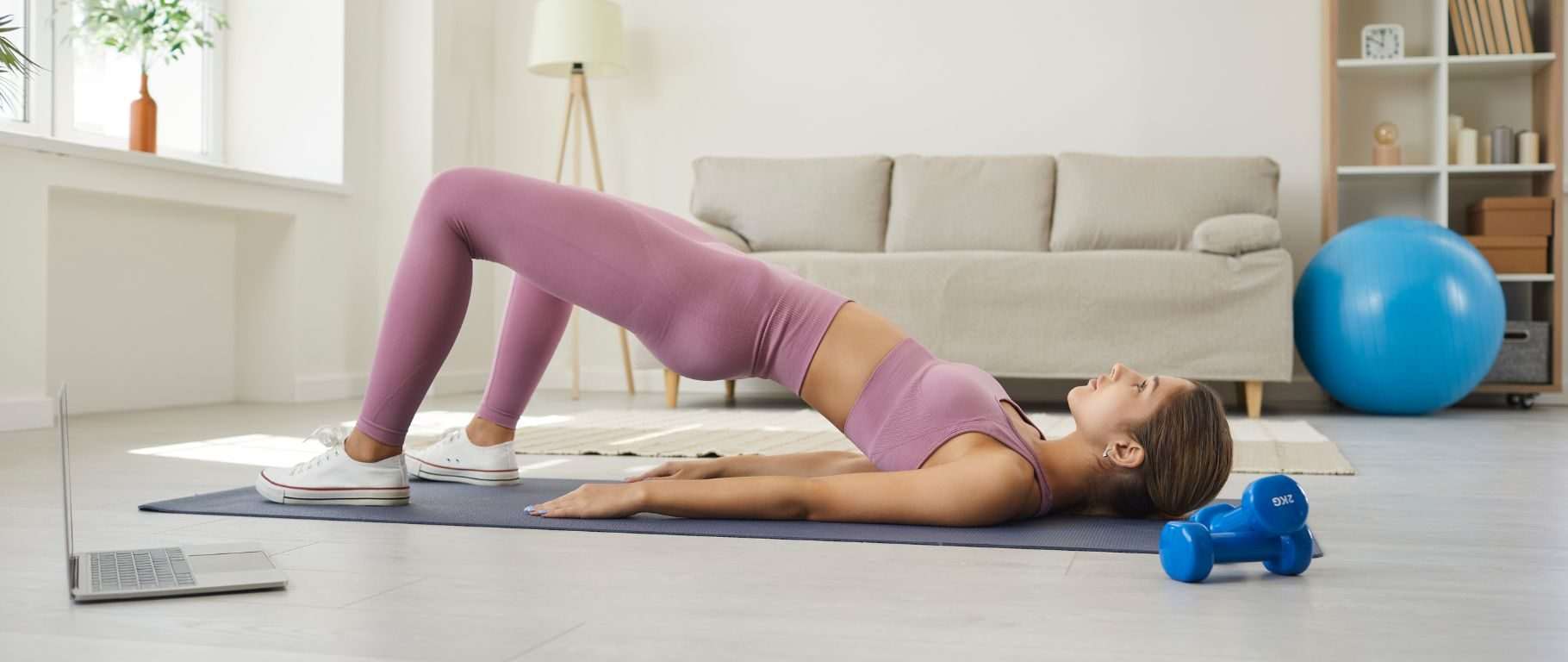
Pelvic floor exercises play a crucial role in maintaining long-term physical health, especially for women. While often overlooked, these muscles are fundamental to core stability, bladder and bowel control, and sexual health. Strengthening the pelvic floor through guided physiotherapy ensures resilience against common age-related or life-event-related issues, such as incontinence, organ prolapse, and pain during movement. At YourFormSux (YFS), we emphasize proactive pelvic health physiotherapy to help women in Canada stay strong, confident, and pain-free across every life stage.
What Is the Pelvic Floor and Why It Matters
The pelvic floor is a group of muscles and connective tissue located at the base of the pelvis. These muscles act like a supportive hammock for the bladder, uterus, and bowel. When these muscles function properly, they provide core support, manage intra-abdominal pressure, and maintain continence. Weak or dysfunctional pelvic floor muscles can lead to a cascade of problemsranging from urinary leakage and constipation to pelvic organ prolapse and chronic pelvic pain.
Women experience greater fluctuations in pelvic floor health due to hormonal changes, pregnancy, childbirth, and menopause. This makes pelvic floor exercises essential not only for recovery but also for prevention.
Long-Term Benefits of Pelvic Floor Exercises
Improved Bladder and Bowel Control
Strengthening the pelvic muscles can significantly reduce the risk of urinary incontinence and bowel dysfunction. For women experiencing leakage when coughing, sneezing, or lifting, pelvic physiotherapy offers an effective, non-surgical solution.
Support During Pregnancy and Postpartum Recovery
During pregnancy, pelvic floor muscles bear increased weight and pressure. Targeted exercises help prepare the muscles for childbirth and accelerate recovery after delivery. These exercises can prevent pelvic organ prolapse and reduce postpartum complications.
Menopause-Related Muscle Decline Prevention
Hormonal changes during menopause lead to muscle weakening, increasing the likelihood of pelvic organ support issues. Physiotherapy-guided exercises help maintain muscle tone, keeping symptoms at bay.
Enhanced Sexual Health
A strong pelvic floor enhances blood flow, sensation, and muscular control, improving sexual response and reducing discomfort during intimacy. Women dealing with pain during intercourse often find relief through customized physiotherapy.
Better Posture and Core Stability
The pelvic floor is part of the bodys core muscle group. Regular training ensures better alignment, reduced risk of back pain, and improved movement patterns during everyday activities or exercise.
Common Signs of Pelvic Floor Dysfunction
Early recognition of pelvic floor dysfunction can lead to quicker and more effective treatment. Common symptoms include:
Urinary or fecal leakage
A sensation of heaviness in the pelvic region
Pain in the lower back, hips, or pelvic area
Constipation
Painful intercourse
Difficulty starting or stopping urine flow
If any of these symptoms persist, consulting a pelvic floor physiotherapist is essential for long-term wellness.
The Role of Physiotherapy in Pelvic Floor Health
At YourFormSux, our physiotherapists conduct thorough assessments to create personalized pelvic floor rehabilitation programs. These typically include:
Manual therapy to release muscle tension
Biofeedback training to enhance muscle control
Pelvic floor strengthening exercises tailored to individual needs
Breathing and coordination techniques for improved function
Lifestyle coaching to reduce triggers like chronic constipation or poor posture
Our approach is holistic, addressing not just the symptoms but also the underlying factors contributing to pelvic dysfunction. Whether its managing chronic stress, posture, core weakness, or hormonal shifts, our team is equipped to guide long-term pelvic health management.
Building a Lifelong Habit
Pelvic floor exercises are not just a short-term fix; they are a lifelong habit that can prevent a wide range of complications. Just as cardiovascular fitness and strength training are essential to aging well, so too is maintaining pelvic health. Women of all agesfrom adolescence to post-menopausecan benefit from incorporating these exercises into their wellness routines.
When to Start
The best time to begin pelvic floor training is before problems arise. However, its never too late. Whether youre planning a pregnancy, in postpartum recovery, transitioning through menopause, or simply aiming for optimal health, pelvic floor physiotherapy can support your goals.
Final Thoughts
Prioritizing pelvic floor exercises is one of the most impactful actions women can take for long-term health. At YourFormSux, our mission is to help women across Canada reclaim control over their pelvic health with expert guidance, personalized care, and proven physiotherapy methods. With consistent effort and professional support, lasting results are not just possibletheyre expected.