Prolonged sitting and nonstop screen use can lead to:

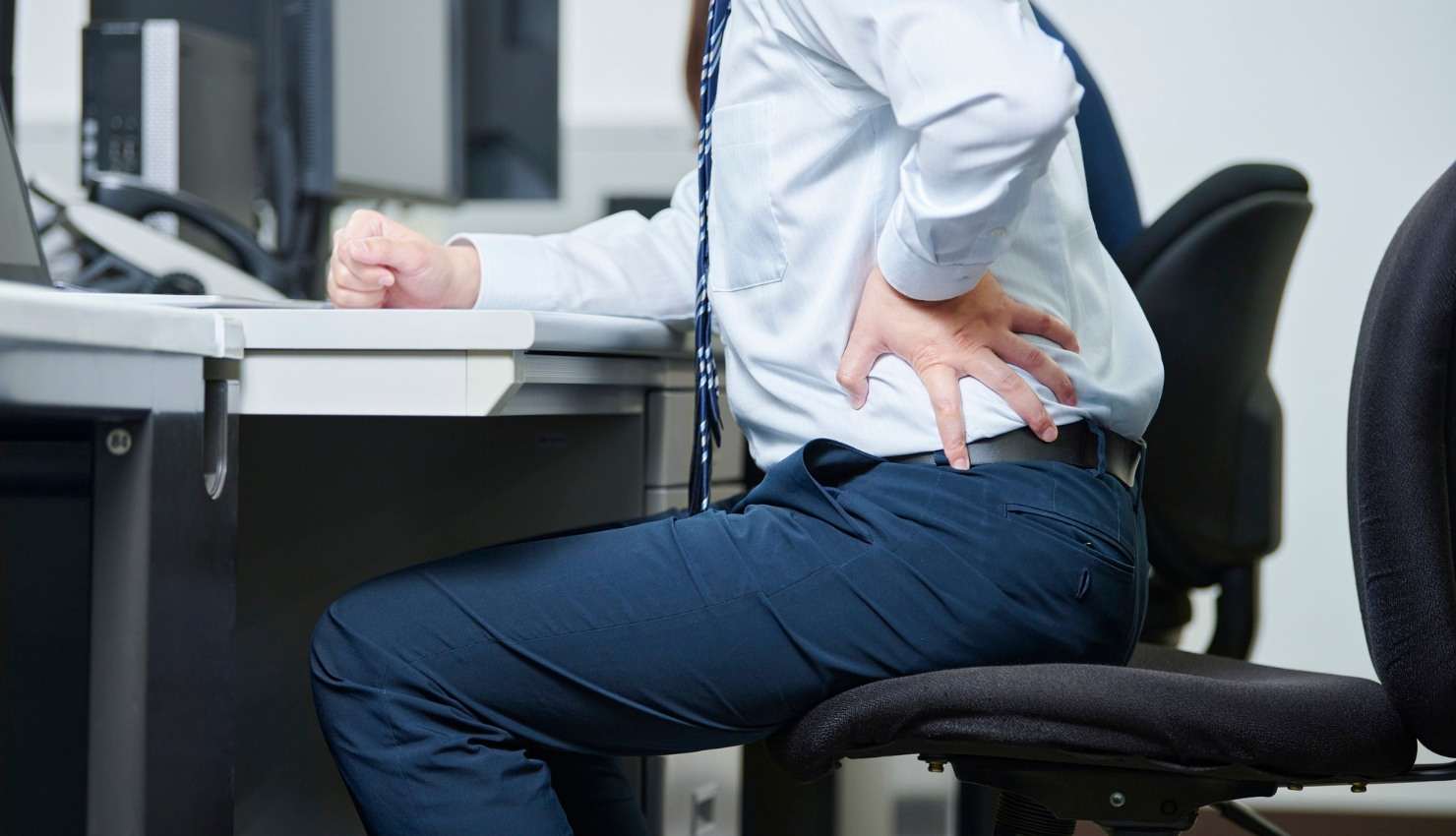
Prolonged sitting and nonstop screen use can lead to:
Mental fatigue
Neck, back, and wrist pain
Poor posture and muscle tightness
Reduced concentration and creativity
Eye strain and headaches
Mood changes (irritability, anxiety, restlessness)
Even 2 hours without movement can slow circulation and increase muscular tension.
? Why Regular Breaks Are Good for You
?? 1. Boost Mental Clarity and Focus
Short mental pauses improve your ability to concentrate and avoid task fatigue. Youll return sharper and more creative.
????? 2. Reduce Physical Tension and Discomfort
Standing up, stretching, or moving resets your muscles, especially in the neck, shoulders, and back.
?? 3. Improve Circulation and Reduce Health Risks
Breaks keep your blood flowing, reduce the risk of deep vein thrombosis (DVT), and combat the negative effects of prolonged sitting.
????? 4. Lower Stress and Boost Mood
Step away, breathe, and resetbreaks reduce cortisol, the stress hormone, and help restore emotional regulation.
??? 5. Prevent Eye Strain
Looking away from your screen relaxes the tiny muscles in your eyes, preventing digital eye fatigue and headaches.
?? How Often Should You Take Breaks?
Try this science-backed approach:
?? The 52/17 Rule
Work for 52 minutes, then take a 17-minute break.
Studies show this cycle maximizes productivity and recovery.
?? Microbreaks
Every 2030 minutes, take 3060 seconds to:
Look away from your screen (20-20-20 rule)
Do shoulder rolls or wrist stretches
Stand, breathe, or shake out your arms
Even small breaks matter.
?? What to Do During Breaks
Here are energizing and restorative options:
?? Active Recovery:
Stretch your neck, back, or hamstrings
Do 10 squats or calf raises
Walk around the room or step outside
??? Mental Reset:
Close your eyes and breathe deeply for 12 minutes
Meditate or listen to calming music
Do a quick gratitude check-in
?? Visual Break:
Look at something 20 feet away
Blink slowly and deeply
Dim your screen or close your eyes briefly
??? Pro Tips for Making Breaks a Habit
Set reminders or timers (apps like Stretchly, BreakTimer, or Focus To-Do)
Use Pomodoro technique (25 min focus, 5 min break)
Create a break basket with tools: stress ball, eye mask, resistance band
Move your water or printer far enough to force movement
Breaks dont happen unless you plan them.
? Quick Summary: Why Breaks Matter
Benefit What It Helps With
Mental focus Better thinking, fewer mistakes
Physical relief Less pain, better posture
Energy boost Fewer crashes and slumps
Mood lift Less stress, more positivity
Eye health Less dryness and headaches
?? Final Thought
Taking breaks isnt a sign of lazinessits a strategy for resilience. A few intentional pauses each day will make you more productive, less tense, and a whole lot healthier.
Your brain and body work better when you let them rest.
Would you like:
A visual break timer graphic to keep by your desk?
A printable break routine for your home office wall?
Or a daily break checklist to build healthier habits?
Just let me know!