Too much sitting leads to:

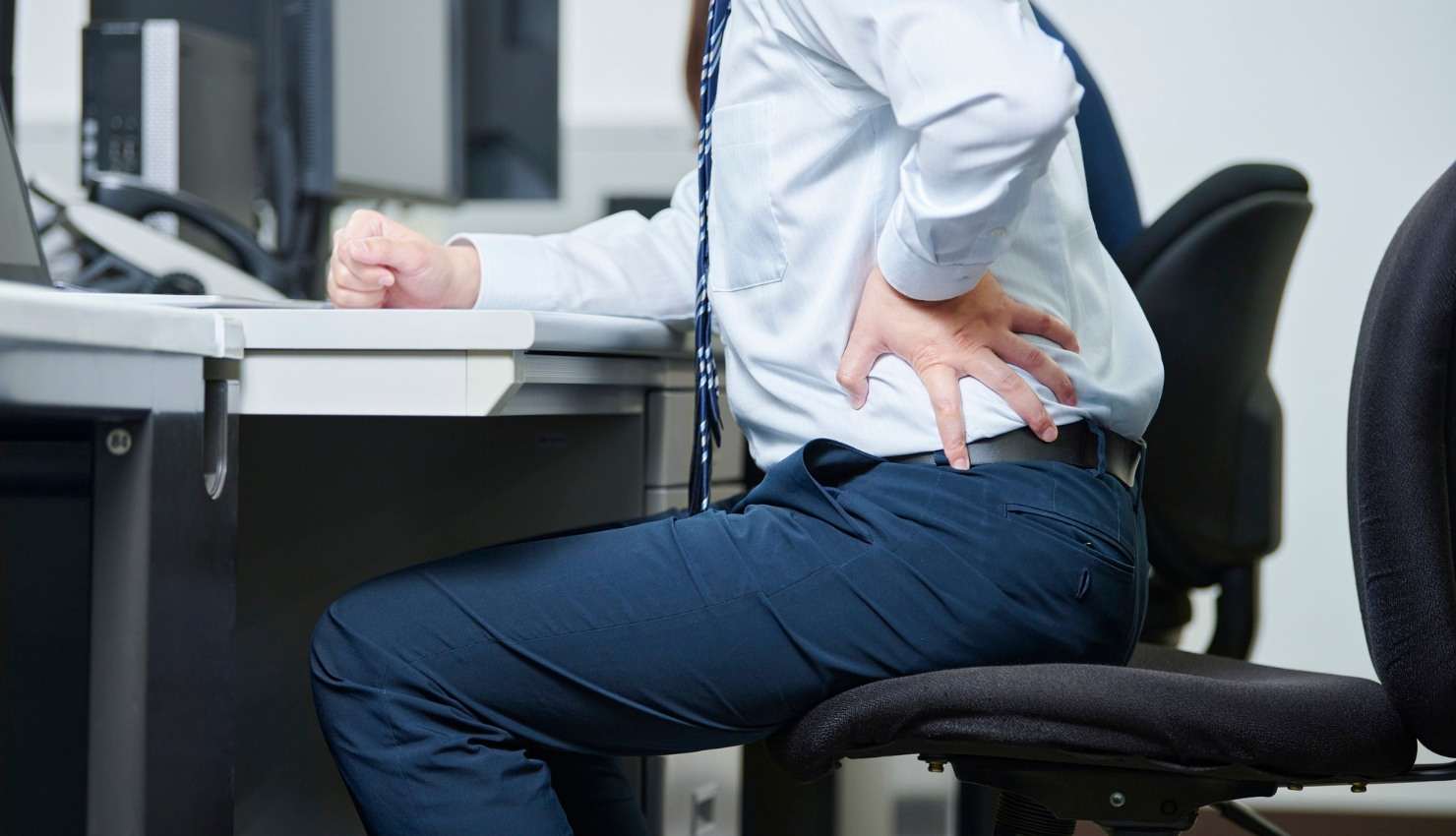
Too much sitting leads to:
Poor posture
Back and neck pain
Tight hip flexors
Lower energy and slowed metabolism
Too much standing can cause:
Foot and leg fatigue
Lower back pain
Varicose veins or swelling
The human body is designed for movement, not stillnessin any position.
? The Ideal Sit-Stand Ratio
A helpful rule of thumb:
Sit for 30 minutes, stand for 1520 minutes, then move/stretch for 5 minutes.
?? 1-Hour Cycle Example:
30 min sitting (good posture)
20 min standing
510 min walking/stretching
Studies suggest a 1:1 or 2:1 sitting-to-standing ratio is ideal for comfort and performance.
?? Benefits of Balanced Sitting and Standing
Benefit Why It Matters
Less back and neck pain Relieves pressure on spine and muscles
Improved circulation Reduces risk of swelling and fatigue
Better focus and mood Movement helps mental clarity
Increased energy Standing and moving combat brain fog
Long-term health Reduces risks of heart disease and diabetes
??? How to Balance Sitting and Standing Effectively
?? 1. Optimize Your Sitting Setup
Chair with lumbar support
Feet flat, knees at 90°
Monitor at eye level, arms at elbow height
Avoid slouching or leaning forward
????? 2. Set Up a Comfortable Standing Position
Screen at eye level, 2028 inches away
Elbows bent at 90° for keyboard/mouse
Stand on a padded mat or cushioned surface
Keep knees soft, weight balancednot locked
Use a footrest or shift weight between legs to stay relaxed.
?? 3. Use Timers or Apps
Set reminders to change positions every 3060 minutes
Apps like Stretchly, BreakTimer, or Pomofocus can help
????? 4. Add Mini Movement Breaks
Walk during calls
Do ankle circles, shoulder rolls, or calf raises
Try a short stretch every hour (even 1 minute helps!)
?? 5. Wear Supportive Footwear
If youre standing, avoid working in bare feet or unsupportive shoesespecially on hard floors.
?? 6. Hydrate and Listen to Your Body
Drinking more water naturally encourages more movement (via bathroom breaks!)
If your back, feet, or legs hurtsit, stretch, or change positions
?? Sample Daily Sit-Stand-Move Plan (8-Hour Day)
Time Activity
9:009:30 Sit (emails, light work)
9:309:50 Stand (calls or reading)
9:5010:00 Stretch or walk
10:0010:30 Sit
10:3010:50 Stand
10:5011:00 Movement break
… … repeat for rest of day
?? Mistakes to Avoid
Standing for too long without movement
Perching (half-standing, half-sitting)
Leaning on one leg for too long
Slouching while sitting
Wearing unsupportive shoes
Alternation + posture + movement = comfort and longevity.
?? Final Thought
Balancing sitting and standing is about more than postureits about keeping your body and mind engaged, supported, and active throughout the day.
Movement is medicine. Use it often, in small doses.