Set Up Ergonomic Foundations Your workstation should work with your bodynot against it.

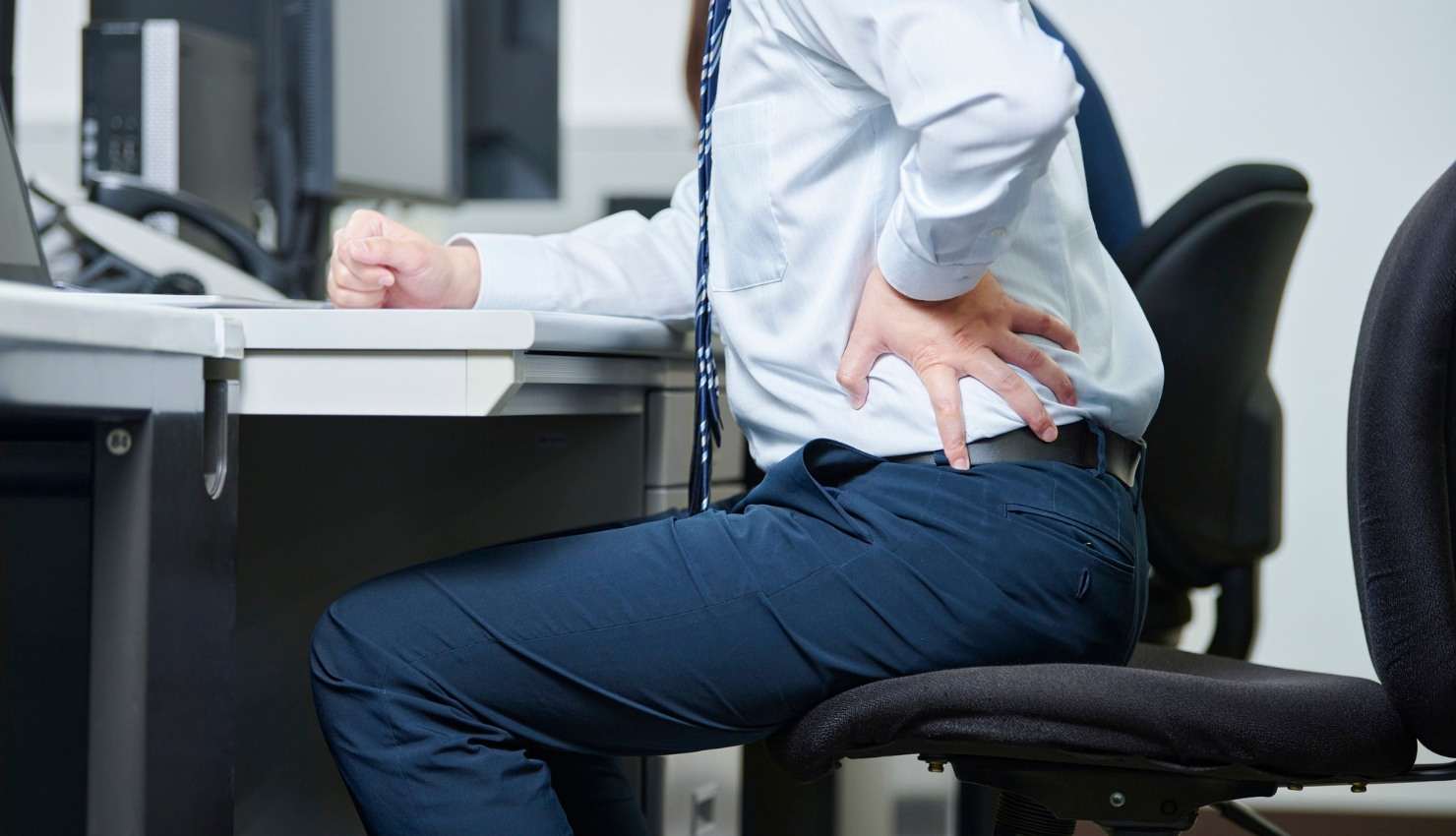
Set Up Ergonomic Foundations
Your workstation should work with your bodynot against it.
? Desk & Chair Setup
Chair with lumbar support (or add a pillow)
Feet flat on the floor or on a footrest
Knees at ~90°, hips level with or slightly above knees
Desk height should let elbows rest at 90°, shoulders relaxed
Keep wrists neutral (not bent) while typing
??? Screen Setup
Monitor at eye level, about an arms length away
Top of screen just below eye level
If using a laptop: use a stand and separate keyboard/mouse
Good posture = less pain, better focus.
?? Step 2: Optimize Lighting and Reduce Eye Strain
?? Natural & Artificial Light
Set up near a window for daylightbut avoid glare
Use a desk lamp with warm white light to reduce harshness
Avoid overhead lights that cast shadows
?? Eye Protection
Follow the 20-20-20 rule: every 20 minutes, look at something 20 feet away for 20 seconds
Use blue light filters on your screens or glasses
Adjust brightness and contrast to comfortable levels
Eyestrain = headaches, fatigue, and irritability. Prevent it early.
????? Step 3: Add Comfort and Movement
?? Physical Comfort
Keep a blanket, footrest, or support cushion nearby
Use a standing desk or alternate between sitting and standing if possible
Invest in a comfortable headset or speaker if you take calls
?? Movement
Get up and stretch or walk every 3060 minutes
Add stretch reminders (use apps like Stretchly or timers)
Consider a yoga mat or resistance band nearby for breaks
?? Step 4: Create a Calm, Focused Environment
?? Declutter & Personalize
Clear off unnecessary items
Add one or two personal items (photo, art, or quote)
Include a plantit reduces stress and improves air quality
?? Reduce Distractions
Use noise-canceling headphones or white noise apps
Turn off notifications when deep working
Set boundaries if others share your space (e.g., a do not disturb sign)
?? Step 5: Support Your Workflow & Energy
??? Workflow Boosters
Keep essential tools within arms reach (notebooks, pens, charger)
Use trays, drawer organizers, or vertical file holders
Digitally organize your to-do list (or use a physical planner)
? Energy Management
Have snacks and water nearby to stay fueled
Take natural light breaks outside if possible
Listen to focus-enhancing music (e.g., ambient or lo-fi)
? Quick Checklist: Essentials for Comfort & Productivity
Element What to Look For
Chair Adjustable, lumbar support, comfortable seat
Desk Elbow-height, enough surface area
Monitor Eye-level, glare-free, correct distance
Lighting Natural + soft white lamp
Tools Keyboard/mouse, wrist rest, headset
Movement Space to stretch or stand
Personal touch Plants, photo, calming colors
?? Final Thought
You dont need a fancy office to do your best work.
What you do need is a space that feels intentionalsupporting your body, respecting your time, and matching your mindset.
A comfortable, functional home office isnt a luxuryits a foundation for sustainable