Poor posture is one of the biggest hidden culprits behind back pain, neck tension, headaches, and fatigueespecially for remote workers. The good news? A few small changes in your daily setup and habits can dramatically improve your posture and well-being.

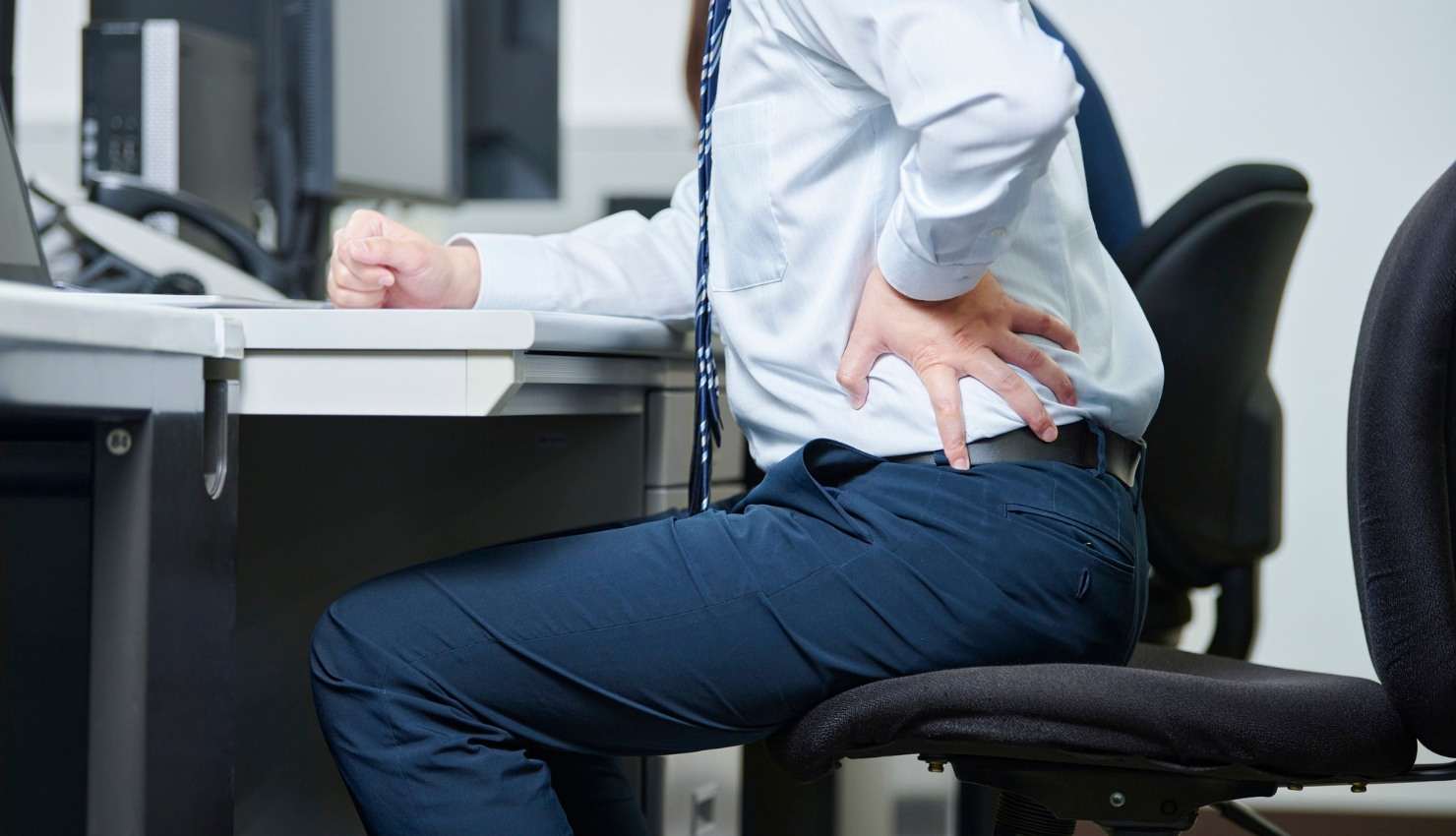
Poor posture is one of the biggest hidden culprits behind back pain, neck tension, headaches, and fatigueespecially for remote workers. The good news? A few small changes in your daily setup and habits can dramatically improve your posture and well-being.
Heres your complete guide to sitting (and standing) tall at home:
?? 1. Set Up Your Workspace for Posture Success
? Chair
Use a chair with lumbar (lower back) support
Sit all the way back with your hips touching the chair
Keep feet flat on the floor or a footrest
Knees should be level with or slightly lower than hips
?? No ergonomic chair? Use a rolled towel for back support and stack books under your feet if needed.
??? Monitor Position
Top of the screen at or just below eye level
Monitor should be an arms length away
Use a laptop stand or stack books if using a laptop
??? Looking down at a screen = neck and upper back strain (tech neck).
?? Keyboard & Mouse
Elbows at 90100°, close to your sides
Wrists should be neutral, not flexed up or down
Keyboard and mouse on the same level
??? Consider a split keyboard or wrist rest for extra support.
????? 2. Maintain a Neutral Posture
Imagine a straight line from your ears, shoulders, hips, and ankles (if standing) or knees (if sitting).
Shoulders relaxed, not hunched
Head upright, not leaning forward
Chin slightly tucked
Keep your core gently engaged to support your spine
?? Tip: Take a photo of your posture from the side and adjust as needed.
?? 3. Change Positions Frequently
Staying in any one positioneven a good oneleads to tension.
Move every 3045 minutes: stand, stretch, or walk
Alternate between sitting and standing if you have a sit-stand desk
Use movement prompts like timers or apps (e.g., Stand Up!, Stretchly)
?? Your best posture is your next posture.