Physiotherapy offers science-backed, proactive strategies to help you move smarter, sit better, and stay pain-free, even in your home office.

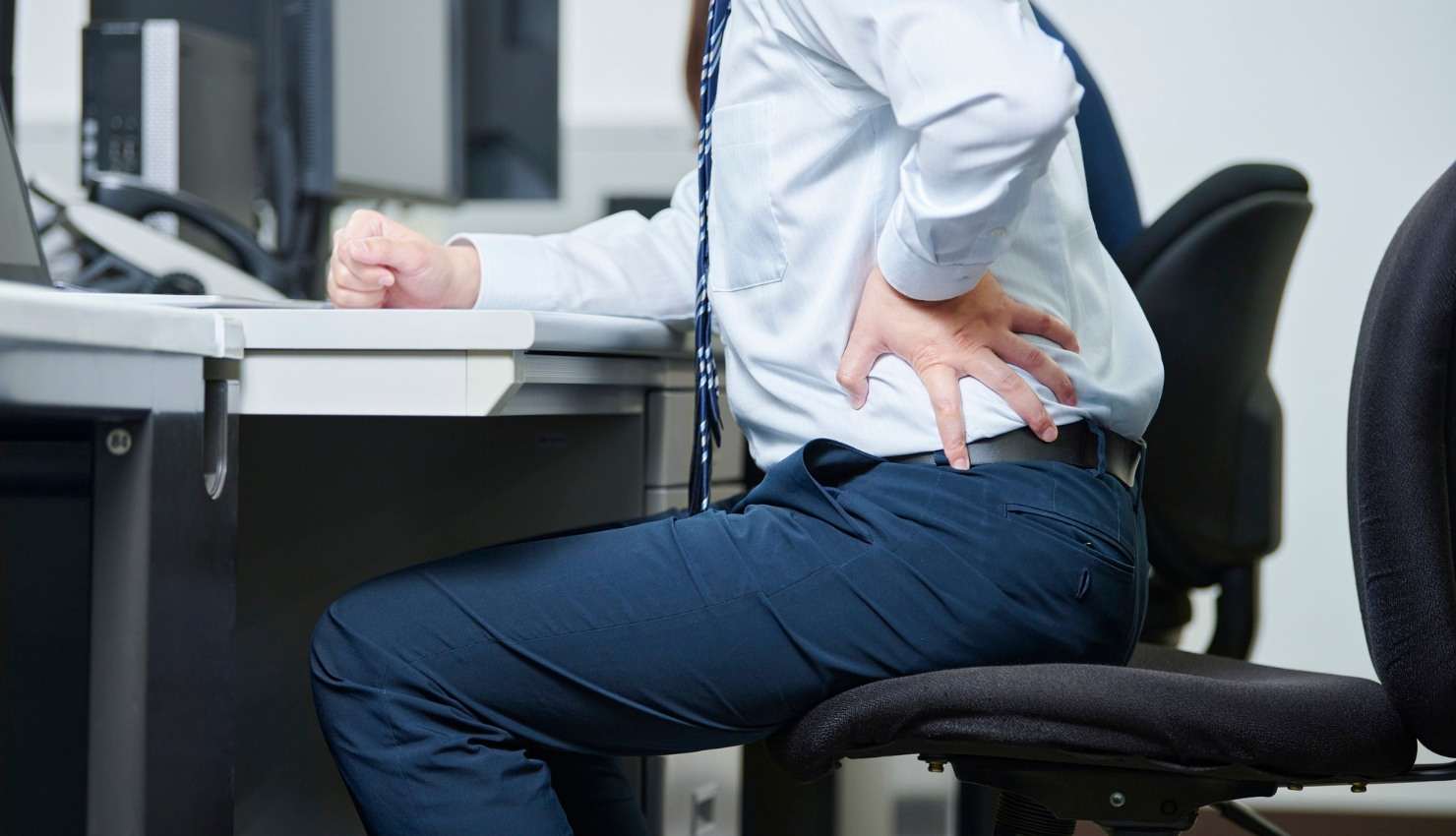
Physiotherapy offers science-backed, proactive strategies to help you move smarter, sit better, and stay pain-free, even in your home office.
?? Common Home Office Injuries
Injury Cause
Neck pain Forward head posture, low screen position
Low back pain Slouching, poor lumbar support
Shoulder tension Shrugged posture, prolonged mouse use
Carpal tunnel syndrome Poor wrist position during typing
Eye strain & headaches Glare, screen distance, poor lighting
Hip stiffness Sitting too long without breaks
? Physiotherapy-Based Prevention Strategies
?? 1. Ergonomic Assessment & Setup
Physiotherapists are trained to assess your workstation and identify risk factors.
Key recommendations include:
Proper chair height and lumbar support
Monitor at eye level to prevent neck strain
External keyboard and mouse for laptops
Wrist support for neutral hand position
?? Tip: Many physiotherapy clinics now offer virtual ergonomic assessments.
????? 2. Corrective Exercise Programs
Physios prescribe exercises that strengthen postural muscles and reduce strain.
Examples include:
Chin tucks (to fix forward head)
Thoracic extensions (to open up your upper back)
Scapular retractions (to stabilize shoulders)
Glute bridges and planks (to support your core and spine)
These exercises are tailored to your specific mobility, imbalances, and pain history.
?? 3. Movement Routines & Microbreaks
Physiotherapists help you structure your day to reduce injury risk through timed movement plans:
Take a 12 minute break every 3060 minutes
Alternate sitting and standing
Do simple stretches: shoulder rolls, chest openers, and spinal twists
Suggested rule:
Move every 30, stretch every 60.
??? 4. Manual Therapy & Recovery Techniques
If pain does begin, physiotherapists can provide:
Manual therapy (mobilization, soft tissue release)
Dry needling or cupping
Electrical stimulation (TENS) for pain relief
Foam rolling instruction for tight muscles
They also teach self-release techniques for desk-bound muscle tension (e.g., upper traps, pecs, hip flexors).
?? 5. Postural Re-Education
Using video feedback, mirrors, or posture cues, physiotherapists train your awareness of alignment:
They may use:
Taping to guide proper shoulder position
Biofeedback tools to track sitting habits
Digital apps that send posture prompts
The goal is to retrain your nervous system to default to better posture.
?? Tools Physiotherapists Recommend for Home Offices
Tool Why Use It
Lumbar support cushion Encourages upright posture
Laptop stand or riser Brings screen to eye level
External keyboard/mouse Prevents wrist and shoulder strain
Standing desk Allows posture variation
Foam roller or massage ball For daily recovery and tension release
Resistance bands To do posture-correcting exercises easily at home
?? Final Physiotherapy Tips
Listen to your bodyearly discomfort is a warning
Stay consistent with stretches and strengthening
Prevent before you treatdont wait for pain to seek help
Book a virtual or in-person ergonomic consultation with a physiotherapist for a personalized prevention plan
?? Final Thought
Home office injuries are preventablewith the right strategies.
Physiotherapy gives you the knowledge, tools, and support to stay strong, flexible, and pain-freewherever you work.
Work smarter. Move better. Live pain-free.