Choose a Chair that Supports You Your chair should:

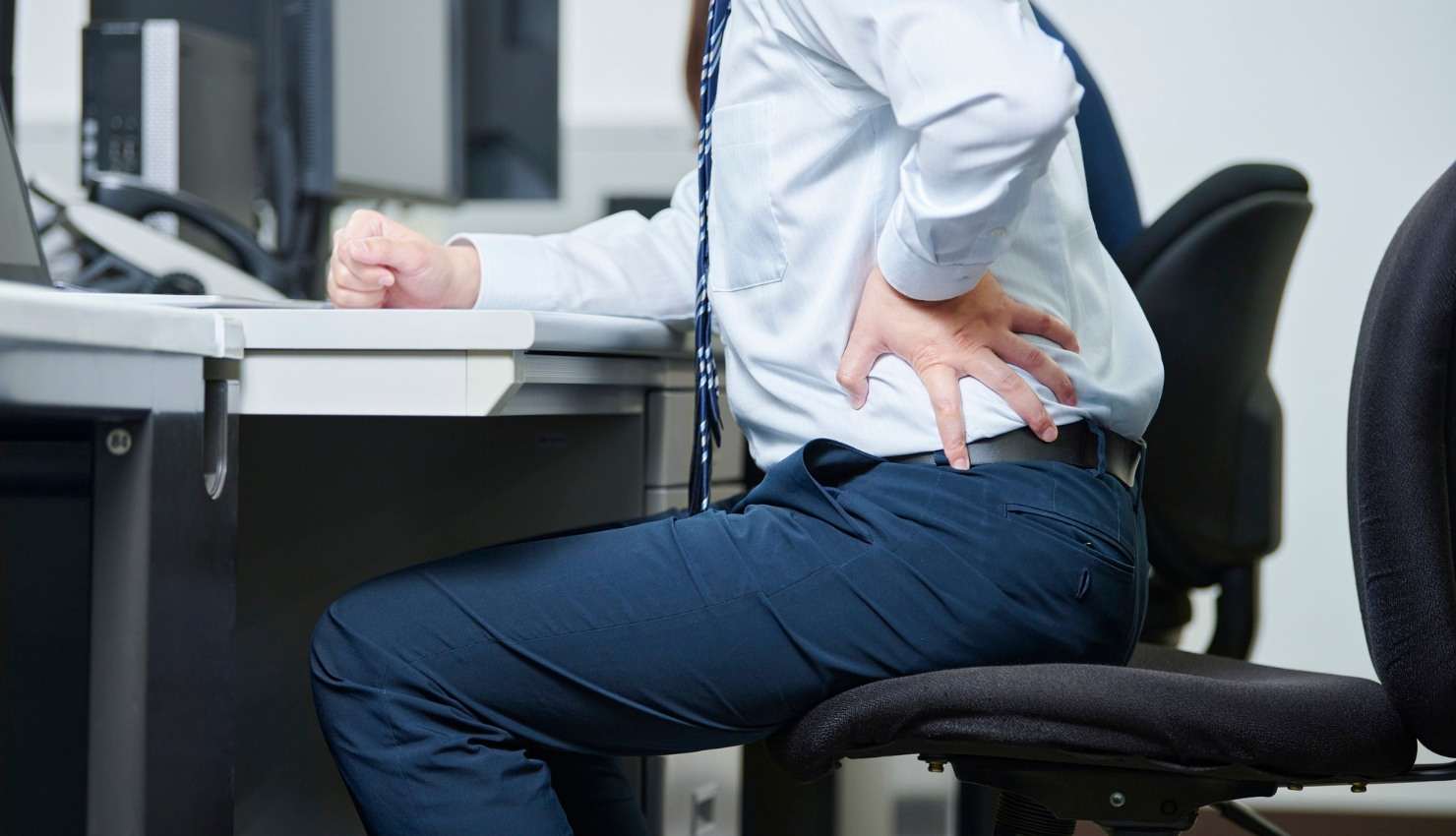
Choose a Chair that Supports You
Your chair should:
Support the natural curve of your spine
Allow your feet to rest flat on the floor (or a footrest)
Keep knees level with or slightly below hips
Include lumbar supportbuilt-in or with a cushion
? No ergonomic chair? Add a rolled towel at your lower back.
2. ??? Set Up Your Screen at Eye Level
Top of the monitor should be at or just below eye height
Screen should be about an arms length away
Raise laptops with a stand and use an external keyboard/mouse
?? This prevents the dreaded tech neck and rounded shoulders.
3. ?? Optimize Keyboard and Mouse Position
Keep keyboard and mouse close and level with elbows
Elbows should bend about 90°, wrists in a neutral position
Avoid reachingthis strains your upper back and shoulders
?? Use wrist supports only if needed, not as a crutch.
4. ????? Change Positions Often
Alternate sitting and standing (if possible)
Take microbreaks every 3060 minutes
Do simple stretches to reset your posture and activate your core
?? Remember: Your best posture is your next posture.
5. ????? Incorporate Back-Friendly Movements
Stretch and strengthen with physiotherapy-inspired moves like:
Cat-cow stretches for spinal mobility
Bridges and planks to build core support
Seated spinal twists to relieve tension
Hip flexor stretches to counteract sitting
??? Budget Ergonomic Fixes for Back Pain
Tool Purpose
Laptop stand/books Raise screen height
Lumbar pillow or towel Improve lower back support
Footrest or box Align hips and knees
External keyboard/mouse Prevent arm and shoulder strain
Anti-fatigue mat (if standing) Reduce pressure on spine
?? Final Thought
Preventing back pain at home isnt about buying the most expensive chairits about understanding your bodys needs and creating a space that supports them.
Align your space. Move with intention. Support your spine.