Set Up an Ergonomic Workstation ? Chair

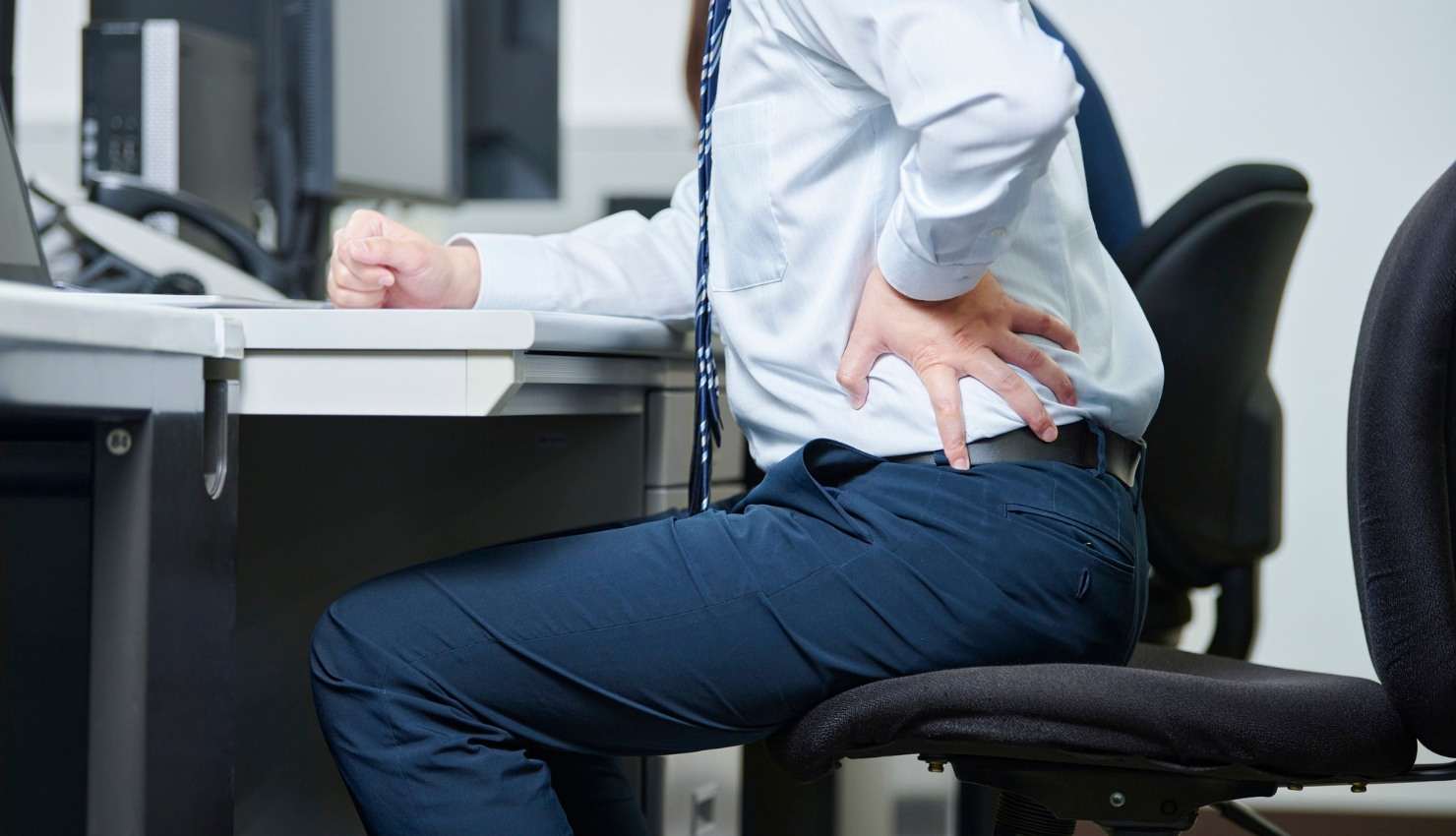
Set Up an Ergonomic Workstation
? Chair
Adjustable height: Feet flat on the floor, knees at 90°
Lumbar support: Use a built-in lumbar curve or add a small cushion
Armrests: Elbows should rest comfortably at your sides, forming a 90° angle
?? Tip: A rolled-up towel makes a great DIY lumbar support.
? Desk Height
Elbows should be at desk level when typing
Wrists flatnot angled up or down
Keep forearms parallel to the ground
? Monitor Position
Top of screen at or slightly below eye level
About an arms length away
Center the monitor in front of younot to the side
?? This helps prevent neck strain and eye fatigue.
?? Step 2: Enhance Lighting & Reduce Eye Strain
Use natural light when possibleposition desk near a window but avoid screen glare
Add a soft desk lamp for focused work
Follow the 20-20-20 rule: every 20 minutes, look at something 20 feet away for 20 seconds
Adjust screen brightness and text size for comfort
??? Balanced lighting reduces squinting and tension headaches.
?? Step 3: Prioritize Movement & Posture
Sitting still is the new smokingheres how to counter it:
Alternate sitting and standing using a sit-stand desk or riser
Set a timer to stand/stretch every 3060 minutes
Try a balance cushion or kneeling chair for posture variation
Add 5-minute desk stretch routines into your day
????? Movement prevents muscle tension and improves circulation.
?? Step 4: Add Comfort-Boosting Accessories
Footrest: Helps maintain knee and hip alignment
Keyboard tray: Keeps wrists neutral
Mouse pad with wrist support: Reduces wrist strain
Noise-canceling headphones: Minimize distraction in busy households
Plants or artwork: Enhance mood and reduce stress
?? Comfort isnt just physicalits emotional too.
?? Step 5: Create Healthy Work Boundaries
Use a dedicated workspaceeven a small desk or corner
Set work hours and a visible clock-out ritual
Avoid working from bed or couch (bad for posture and sleep)
Keep healthy snacks and water nearby to stay nourished
?? Routines create clarity between work and personal time.
?? Final Tips for Comfort & Wellness
Habit Why It Matters
Take regular movement breaks Prevents stiffness and boosts energy
Check posture hourly Resets alignment and prevents fatigue
Adjust chair/monitor often Keeps ergonomics on point as you shift
Stretch at least twice per day Releases tightness in back, neck, hips
? Your Comfort Checklist
Chair supports your spine and allows feet flat on floor
Monitor is at eye level and directly in front of you
Wrists are straight while typing
Lighting is natural or warm, with no screen glare
You move every 3060 minutes
You feel mentally at ease in your space