Discover the wide-ranging benefits of chiropractic care for pain relief, mobility, and whole-body wellness.

Lets be honestmost gamers have done it. You sit down for just one more game, and suddenly its three hours later. Your neck feels tight, your head is heavy, and turning side to side? Forget about it. Welcome to the not-so-fun reality of gaming-related neck pain.
But heres the good news: physiotherapy can help you recover, reset, and game pain-free again.
?? Why Gamers Get Neck Pain
Gaming-related neck pain usually comes down to two big culprits: posture and repetition. When you spend hours in the same positionespecially if youre leaning forward toward your screenyoure putting constant stress on your neck and upper back.
Common causes include:
Forward head posture (tech neck or gamer neck)
Poor monitor placement
Lack of movement or stretching
Tension build-up from competitive stress
The result? Tight muscles, pinched nerves, reduced mobility, and sometimes headaches or tingling down the arms. Not exactly ideal for peak performance.
??? How Physiotherapy Helps You Recover
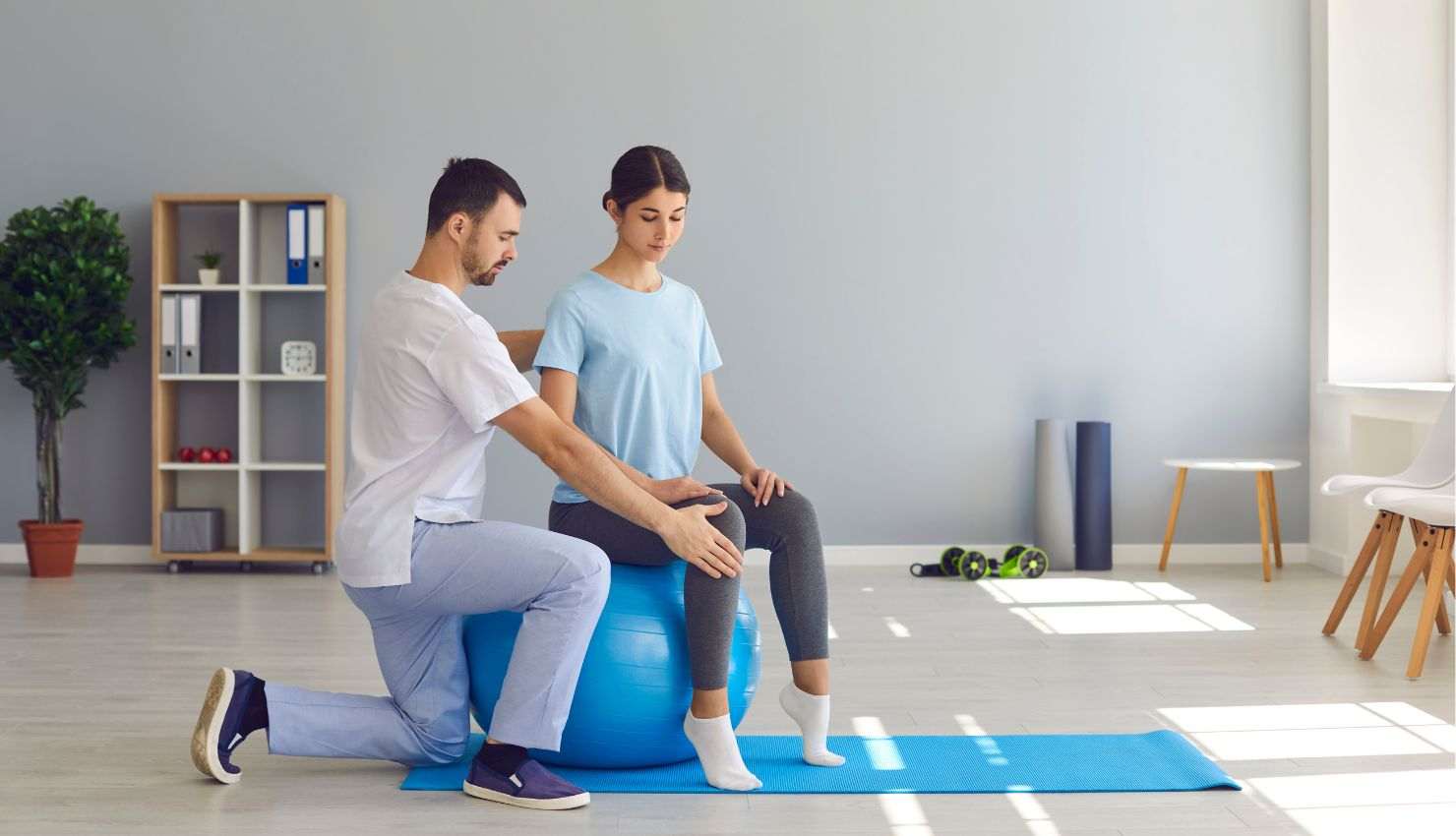
Physiotherapists are like real-life support charactersthey assess, treat, and guide you back to full health, all without potions or power-ups.
Heres how they tackle gaming-related neck pain:
1. Thorough Postural Assessment
Your physio starts by analyzing how you sit when gamingmonitor height, chair support, and even how you hold your controller or mouse. They identify postural habits that may be straining your neck and develop a tailored treatment plan.
Small setup tweaks can lead to big relief.
2. Hands-On Treatment for Fast Relief
To calm irritated muscles and nerves, physiotherapists use techniques like:
Manual therapy (gentle joint mobilization)
Soft tissue massage to release muscle tension
Trigger point therapy
Dry needling or cupping, if needed
These treatments reduce pain and restore movement so you feel better, faster.
3. Neck and Shoulder Mobility Work
Mobility is key to preventing stiffness and long-term issues. Your physio will guide you through:
Gentle neck stretches
Shoulder blade exercises to improve posture
Thoracic spine movements to reduce upper back tension
Youll feel more flexible and less stiffeven after marathon sessions.
4. Strengthening to Support Your Spine
Once the pain eases, its time to build strength so your body can support better posture naturally. Focus areas include:
Deep neck flexors (to hold your head upright)
Upper back muscles (to counter slouching)
Core strength (yes, it affects your neck too!)
The stronger you are, the longer you can play comfortablywithout slumping into pain.
5. Ergonomic Advice for a Gamer-Friendly Setup
Physiotherapists help optimize your setup for comfort and long-term health, including:
Correct monitor height and distance
Proper back and neck support
Arm and hand positioning to reduce tension
Its like upgrading your gaming rigbut for your body.
??? Dont Let Neck Pain Pull You Out of the Game
Neck pain doesnt have to be your new normal. With the right physiotherapy plan, you can:
Ease pain and tension
Improve posture and movement
Avoid future flare-ups
Play longer and more comfortably
?? Ready to Get Your Head Back in the Game?
If gaming is giving you neck pain, dont just push through itfix it. Physiotherapy can help you recover quickly and build the strength to prevent it from coming back. Because nothing should stand between you and your next big winespecially not a sore neck.