Your spine has three natural curves:

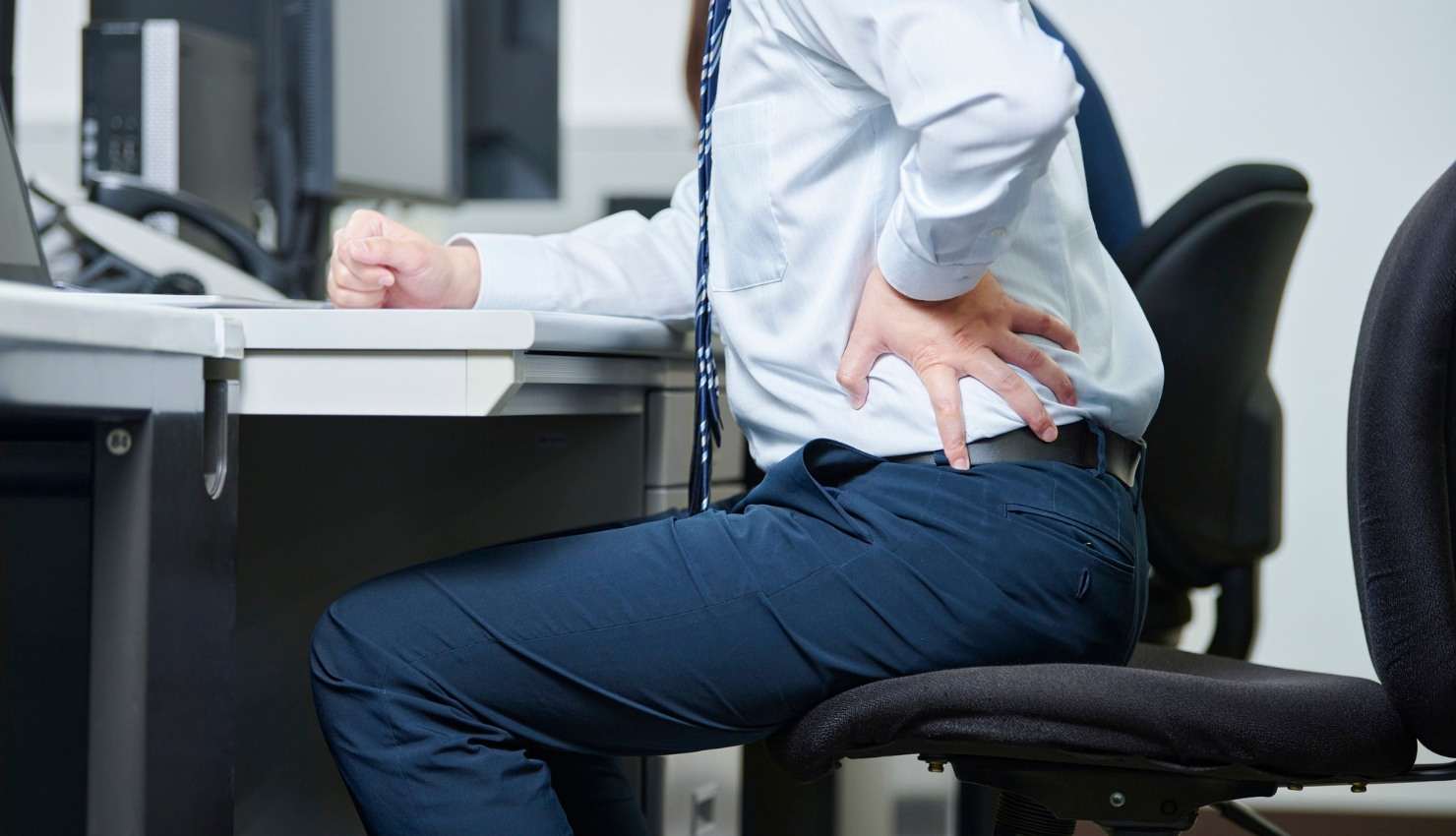
Your spine has three natural curves:
Cervical (neck)
Thoracic (mid-back)
Lumbar (lower back)
A good ergonomic setup supports these curves and prevents slouching, forward head posture, and disc compressionall major causes of pain and stiffness.
? Step-by-Step Guide to a Spine-Friendly Desk Setup
1. ?? Choose the Right Chair
A supportive chair is the foundation of spinal health.
Your chair should:
Support the natural curve of your lower back (lumbar)
Allow feet to rest flat on the floor or on a footrest
Keep knees at or slightly below hip level
Provide adjustable height, backrest, and armrests
?? Add a lumbar cushion or rolled-up towel if needed to maintain proper posture.
2. ?? Align Your Monitor Properly
Your screen positioning influences your neck and upper spine.
Tips:
Top of the monitor should be at or just below eye level
Monitor should be about an arms length away
Avoid looking down at a laptopuse a laptop stand or external monitor
?? Looking down strains your cervical spine and leads to forward head posture.
3. ?? Position Your Keyboard & Mouse for Neutral Wrists
Poor wrist position leads to slouching and shoulder strain.
Keyboard and mouse should:
Be at elbow height, close to your body
Allow wrists to stay straight, not bent upward
Be operated with relaxed shoulders and elbows at 90°
?? Use a wrist rest or ergonomic mouse if needed.
4. ?? Support Your Lower Body
Stable lower body = strong spinal support.
Feet flat on the floor or footrest
Thighs parallel to the ground
Hips at or slightly above knee level
?? Avoid crossing legs or sitting on one footthis twists the pelvis and affects spinal alignment.
5. ?? Alternate Between Sitting and Standing
Sitting all day is hard on the spineeven with good posture.
Use a sit-stand desk or desk riser:
Stand for 1530 minutes every hour
Keep monitor and keyboard at the same ergonomic heights while standing
Use a footrest or shift weight to avoid static standing
?? Movement is the best postureswitch positions regularly!
6. ?? Move Often to Keep Your Spine Happy
Sitting is static, and your spine thrives on motion.
Stand or walk every 3060 minutes
Do spinal mobility exercises: cat-cow, thoracic rotations, seated twists
Stretch tight areas: chest, hip flexors, hamstrings, neck
? Set a timer to remind youits easy to forget when youre focused.
?? Spine-Saving Bonus Tips
Tip Why It Helps
Use a document holder Keeps head upright instead of tilting down
Avoid slouching over phones/tablets Reduces strain on neck and upper back
Practice posture resets (e.g., chin tucks, shoulder rolls) Reinforces healthy spinal alignment
Stay hydrated Supports spinal discs and muscle function
? Your Healthy Spine Setup Checklist
Lumbar spine supported by chair
Monitor at eye level and arms length
Keyboard and mouse at elbow height
Feet flat, knees at 90°
Move or stretch every 3060 minutes
Sit and stand alternately throughout the day