Common Home Office Health Issues Physiotherapy Addresses Neck and back pain from poor sitting posture

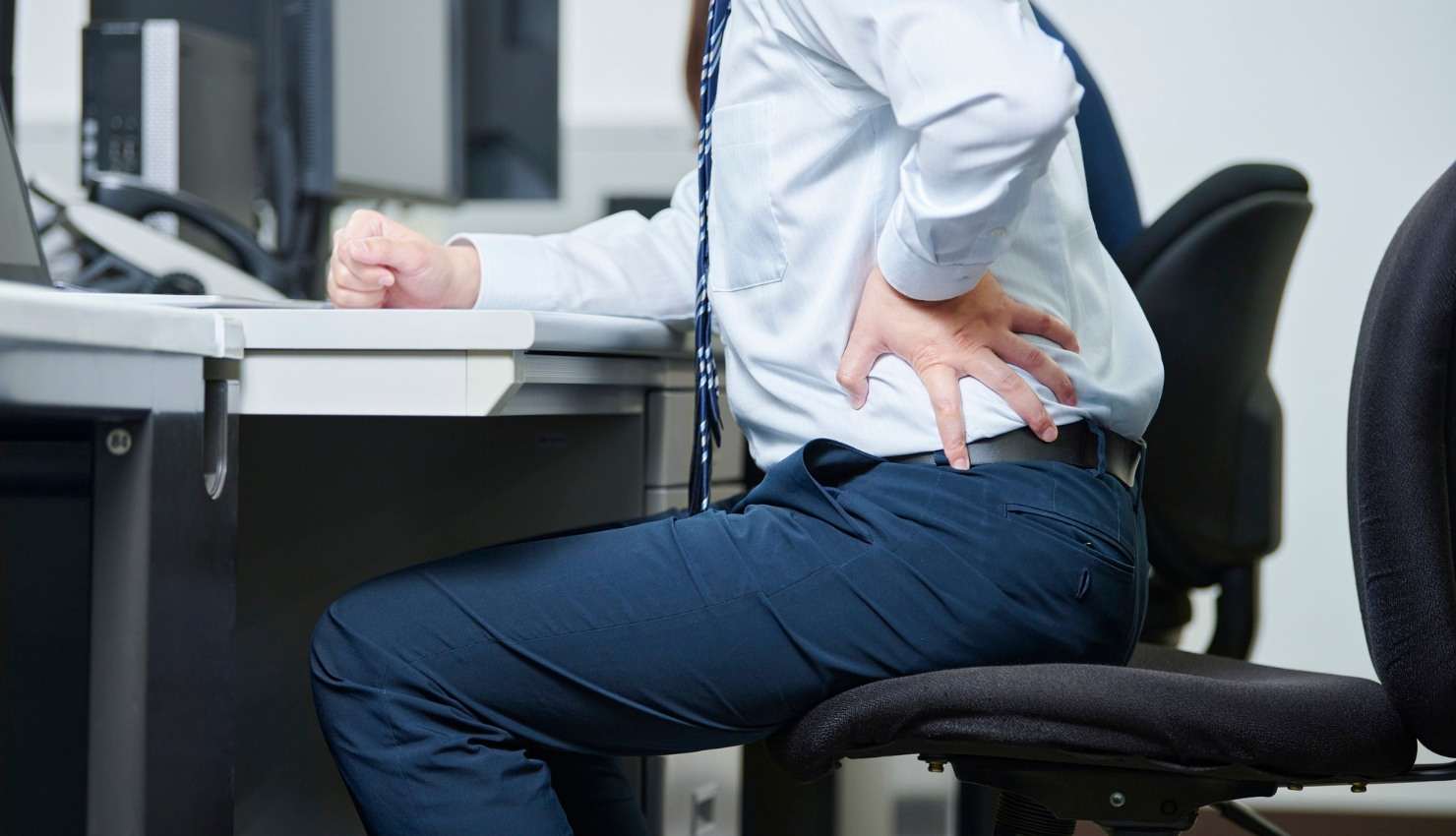
Common Home Office Health Issues Physiotherapy Addresses
Neck and back pain from poor sitting posture
Wrist and hand strain (e.g., carpal tunnel syndrome)
Hip tightness from prolonged sitting
Shoulder stiffness from poor ergonomics
Reduced circulation and mobility
Chronic fatigue and muscle tension
?? Ignoring these symptoms can lead to long-term dysfunction and reduced productivity.
? How Physiotherapy Keeps You Healthy at Home
1. ?? Ergonomic Assessment & Setup Guidance
Physiotherapists can analyze your home workstation and help you adjust it for optimal posture
Advice on chair support, screen height, armrest use, foot positioning, and more
Personalized adjustments for individual body types, injuries, and routines
2. ????? Posture Correction & Education
Identify and correct postural imbalances (forward head, rounded shoulders, anterior pelvic tilt)
Teach body awareness and spine-friendly sitting habits
Prevent long-term strain and fatigue
?? Posture isnt about being rigidits about alignment and balance.
3. ????? Stretching & Mobility Programs
Custom routines to target tight areas (neck, shoulders, hips, wrists)
Help you regain mobility lost through prolonged sitting
Improve flexibility, circulation, and energy levels
4. ?????? Home-Based Strengthening Plans
Strengthen core, upper back, glutes, and stabilizers to support posture
Prevent injuries caused by weak or inactive muscles
Improve work performance, energy, and endurance
5. ?? Pain Relief Techniques
Manual therapy (if in-person), or guided self-release techniques using foam rollers, massage balls, and stretching
Taping, dry needling, or education on heat/cold therapy (depending on access)
Education on pain management without medication
6. ?? Movement Break Planning
Physiotherapists can help you build a daily movement strategy:
Desk exercises
Break routines
Stretch timers
Standing desk transitions
7. ?? Virtual Consultations & Tele-rehab
Many physios now offer online sessions to assess, coach, and monitor your progress
Perfect for remote workers with busy schedules
Easy to integrate with your workdayno commute required
?? Tools Physiotherapists May Recommend for Home Use
Laptop stand, external keyboard/mouse
Lumbar roll or ergonomic seat cushion
Foam roller, massage ball, stretch strap
Standing desk or sit-stand converter
Theraband or resistance bands for exercise
????? The Physiotherapy Approach: Prevention First
Physiotherapy is not just about fixing painits about:
Preventing breakdowns before they happen
Teaching your body to move and rest efficiently
Supporting your long-term musculoskeletal health
The best time to see a physio isnt after pain startsits before.