Poor wrist positioning while typing or using a mouse

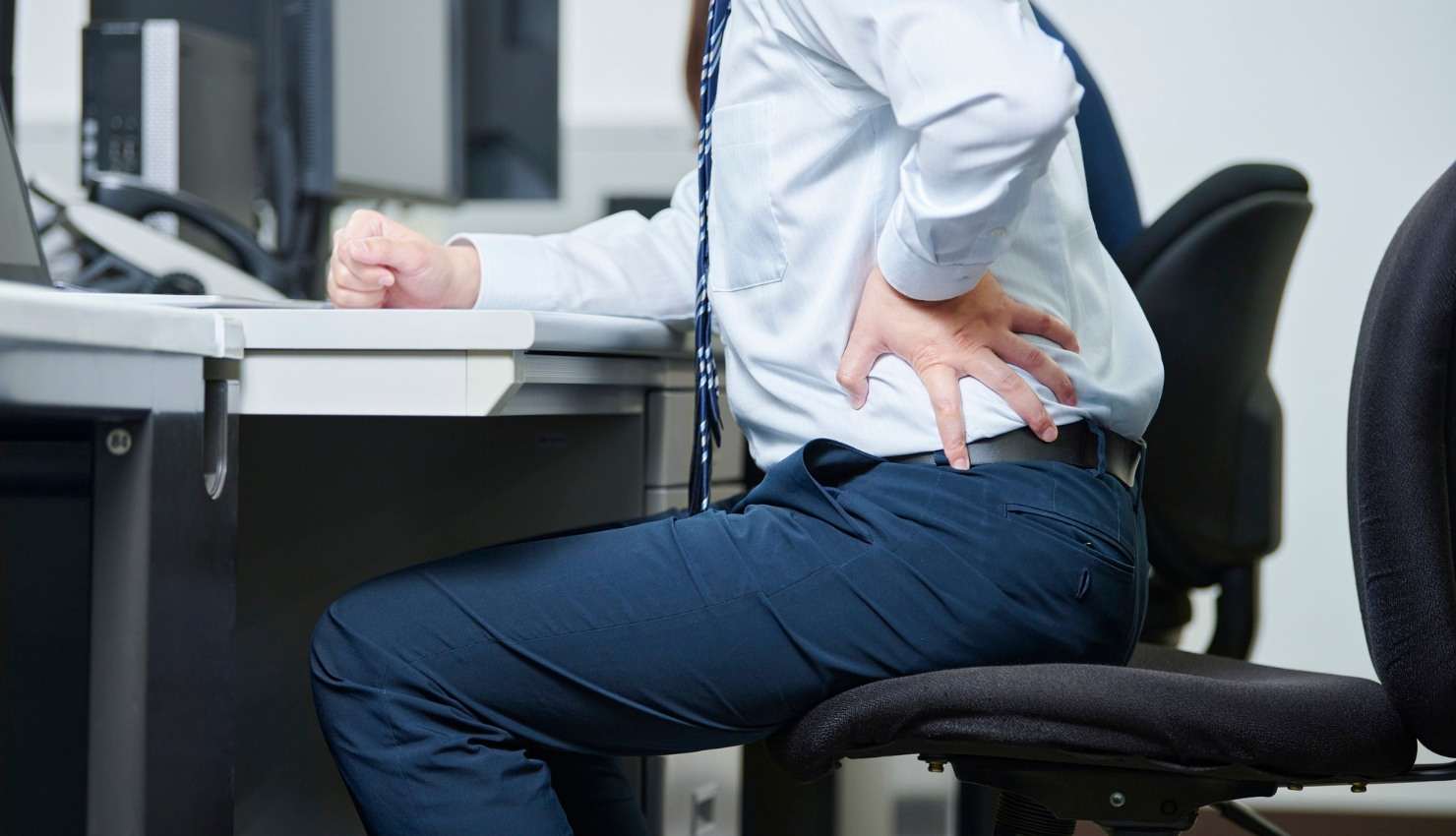
Poor wrist positioning while typing or using a mouse
Constant wrist extension or flexion (bending up/down)
Repetitive strain without breaks
Poor posture (forward shoulders compress nerves and blood flow)
Excessive pressure on wrists (e.g., from resting on hard surfaces)
?? Left unaddressed, CTS can lead to permanent nerve damage.
? Ergonomic Setup Tips to Prevent CTS
1. ?? Keyboard Positioning
Keep your keyboard flat or slightly tilted away (reverse tilt)
Place it at elbow height or just below
Your wrists should stay neutral, not bent up or down
Keep elbows at 90100°, close to the body
?? Avoid using the keyboard feet that tilt it upwardthey increase wrist extension.
2. ??? Mouse Setup
Use a contoured or vertical ergonomic mouse to reduce wrist strain
Keep the mouse next to the keyboard, so your arm doesnt have to reach
Wrist in a handshake position is ideal to offload median nerve pressure
Consider a trackball or stylus if you use a mouse for extended periods
3. ?? Chair and Desk Ergonomics
Chair should support upright posture with feet flat on the ground
Forearms parallel to the floor, resting lightly on armrests or desk
Avoid shoulder shrugging or reaching forwardthis affects nerve flow to the wrist
4. ?? Wrist Support
Use a soft, gel-filled wrist rest only when pausingnot while typing
Avoid pressing wrists into the edge of the desk
Keep forearms floating gently when typing or using a mouse
5. ?? Monitor Placement
Top of monitor at eye level
Positioned directly in front of younot off to the side
This helps maintain neutral spine and shoulder alignment, reducing wrist tension
????? Stretches and Exercises to Prevent Carpal Tunnel
Exercise How Benefit
Wrist Flexor Stretch Extend arm, palm up, gently pull fingers back Reduces tension in front of wrist
Wrist Extensor Stretch Extend arm, palm down, pull hand downward Loosens overused mouse/typing muscles
Median Nerve Glide Move hand through “stop sign” and thumb stretch motions Keeps nerve mobile and reduces compression
Shoulder Blade Squeeze Pinch shoulder blades together for 5 sec Improves upper body posture and nerve flow
Wrist Circles Rotate wrists slowly in both directions Improves mobility and circulation
?? Do 12 rounds of these every few hours.
?? Work Habits That Protect Your Wrists
Take micro-breaks every 3045 minutes
Alternate between typing, writing, and using voice commands
Dont rest your wrists while typing
Stretch fingers and shake out your hands every hour
Use dictation or speech-to-text for long emails or notes
?? Optional Tools for Wrist Health
Split or tented keyboard to reduce ulnar deviation
Vertical mouse or ergonomic trackball
Adjustable chair with arm support
Desk wrist pads (used only between tasks)
Wrist brace (if prescribed for flare-upsnot for all-day wear)
? Quick Ergonomic Checklist
? Keyboard and mouse at elbow height
? Wrists in neutral position (not bent)
? Screen at eye level
? Chair with lumbar and arm support
? No pressure points on wrists or forearms
? Frequent breaks with movement/stretching
? Use of ergonomic mouse and accessories if needed