Ergonomic Essentials for Every Home Office 1. ?? Ergonomic Chair

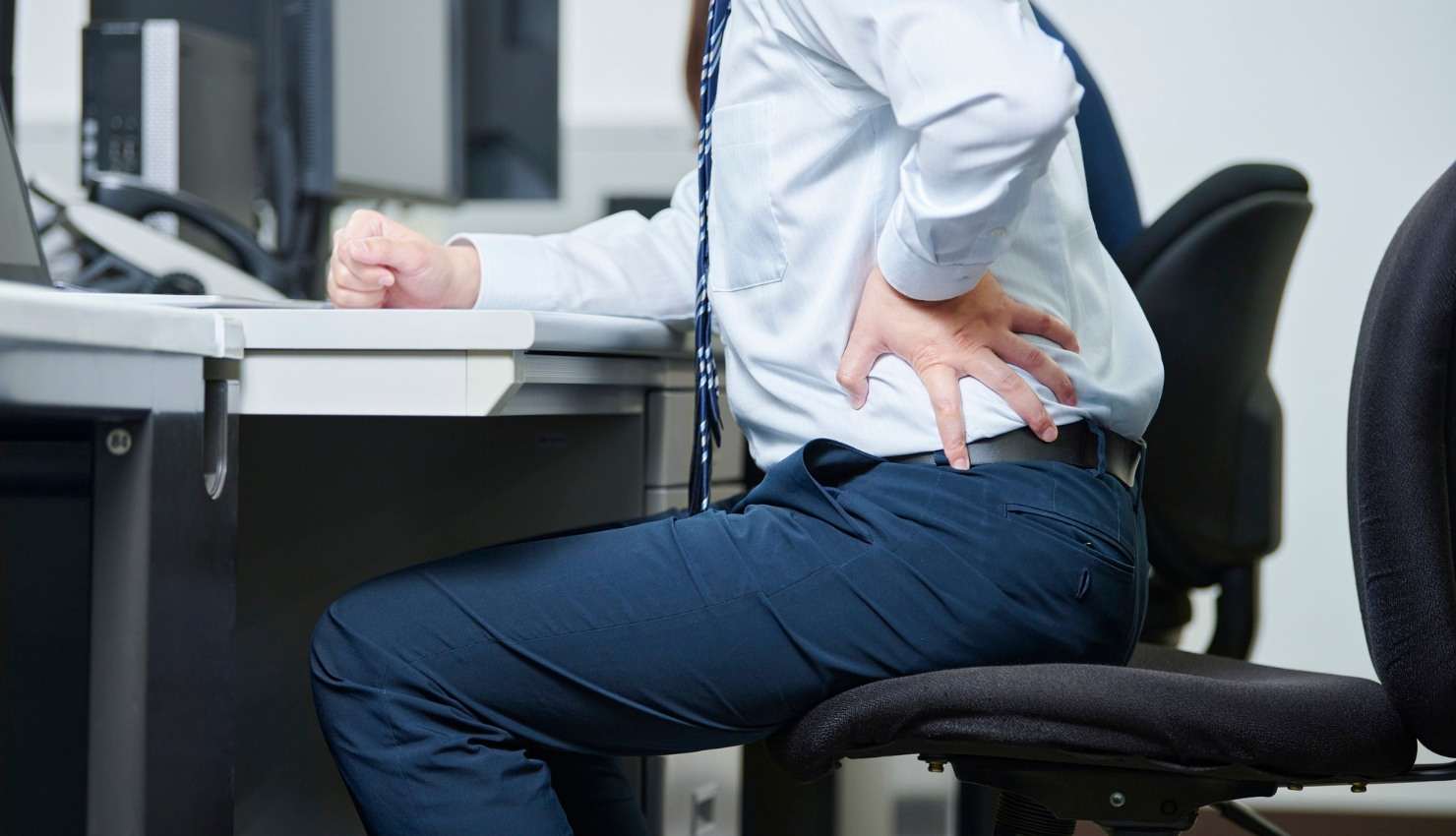
Ergonomic Essentials for Every Home Office
1. ?? Ergonomic Chair
Why it matters: A good chair supports your spines natural curve and encourages active sitting.
Look for:
Adjustable seat height (knees at 90° with feet flat)
Lumbar support (supports lower back curve)
Adjustable armrests (at elbow level)
Seat depth that supports thighs without cutting off circulation
?? Budget option: Use a lumbar roll or towel and sit on a cushion to achieve better posture.
2. ??? Monitor or Laptop Stand
Why it matters: Looking down at a screen strains your neck and shoulders.
Ideal height: Top of the screen at or slightly below eye level, about an arms length away.
Popular tools:
Adjustable monitor arms
Laptop risers or stacked books (for quick fix)
Dual monitor stands (if using two screens)
3. ?? External Keyboard and Mouse
Why it matters: Built-in laptop keyboards force poor wrist and shoulder positioning.
Benefits:
Allows proper screen height while keeping wrists neutral
Reduces shoulder shrugging and forearm tension
Supports better typing angles when paired with a wrist rest
?? Place them at elbow height with forearms parallel to the floor.
4. ??? Wrist Support
Why it matters: Keeps wrists neutral, prevents compression of nerves (carpal tunnel).
Recommended tools:
Gel or foam wrist rests (only during pauses, not while typing)
Split ergonomic keyboards or mechanical keyboards with palm support
Vertical mouse to reduce wrist twist
5. ?? Footrest
Why it matters: Supports proper hip-knee-ankle alignment and reduces back strain.
Use a footrest if:
Your feet dont touch the floor comfortably
Youre experiencing hip or lower back discomfort
Quick fix: A sturdy box or yoga block works great.
6. ????? Sit-Stand Desk or Converter
Why it matters: Prolonged sitting and prolonged standing both stress your body.
Options:
Adjustable sit-stand desk (electric or manual crank)
Standing desk converters (budget-friendly)
Pair with anti-fatigue mats for comfort
?? Aim for a 1:1 or 2:1 sit-to-stand ratio during your workday.
7. ?? Anti-Fatigue Mat
Why it matters: Cushions your feet while standing to prevent joint fatigue.
Especially useful when:
Standing more than 30 minutes/hour
Working on hardwood, tile, or concrete floors
8. ?? Proper Lighting
Why it matters: Poor lighting leads to eye strain and bad posture (leaning in).
Best options:
Adjustable LED desk lamp with color temperature control
Natural lighting from a side-facing window
Avoid overhead glare directly on screens
9. ?? Posture and Movement Reminders
Why it matters: Even perfect ergonomics fail without movement.
Tools that help:
Timer apps (e.g., Stretchly, Time Out, or Pomodoro timers)
Posture apps (e.g., Upright, Lumo)
Smartwatches or fitness trackers with movement alerts
?? Bonus Tools to Consider
Tool Purpose
Foam roller or massage ball For releasing muscle tension during breaks
Adjustable task chair Ideal if you use different desks or switch locations
Blue light filtering glasses Reduce digital eye strain and fatigue
Desk cycle or under-desk elliptical Promote circulation and movement while sitting
Portable lumbar support cushion For working in less ergonomic environments
?? Ergonomic Setup Quick Checklist
? Monitor at eye level
? Chair supports your lower back
? Keyboard and mouse at elbow height
? Feet flat (or on a footrest)
? Wrists in neutral position
? Stand/sit ratio balanced
? Movement and breaks every 3045 minutes
?? Final Physiotherapy Insight
The best ergonomic tool is one that encourages frequent movement and good posture habits. Ergonomics isnt about holding the perfect positionits about changing positions often and reducing strain.