Pelvic health issues affect millions of women worldwide, yet many remain unaware of the options available to manage and alleviate these concerns. Conditions such as urinary incontinence, pelvic organ prolapse, pelvic pain, and sexual dysfunction can significantly impact daily life and emotional well-being.

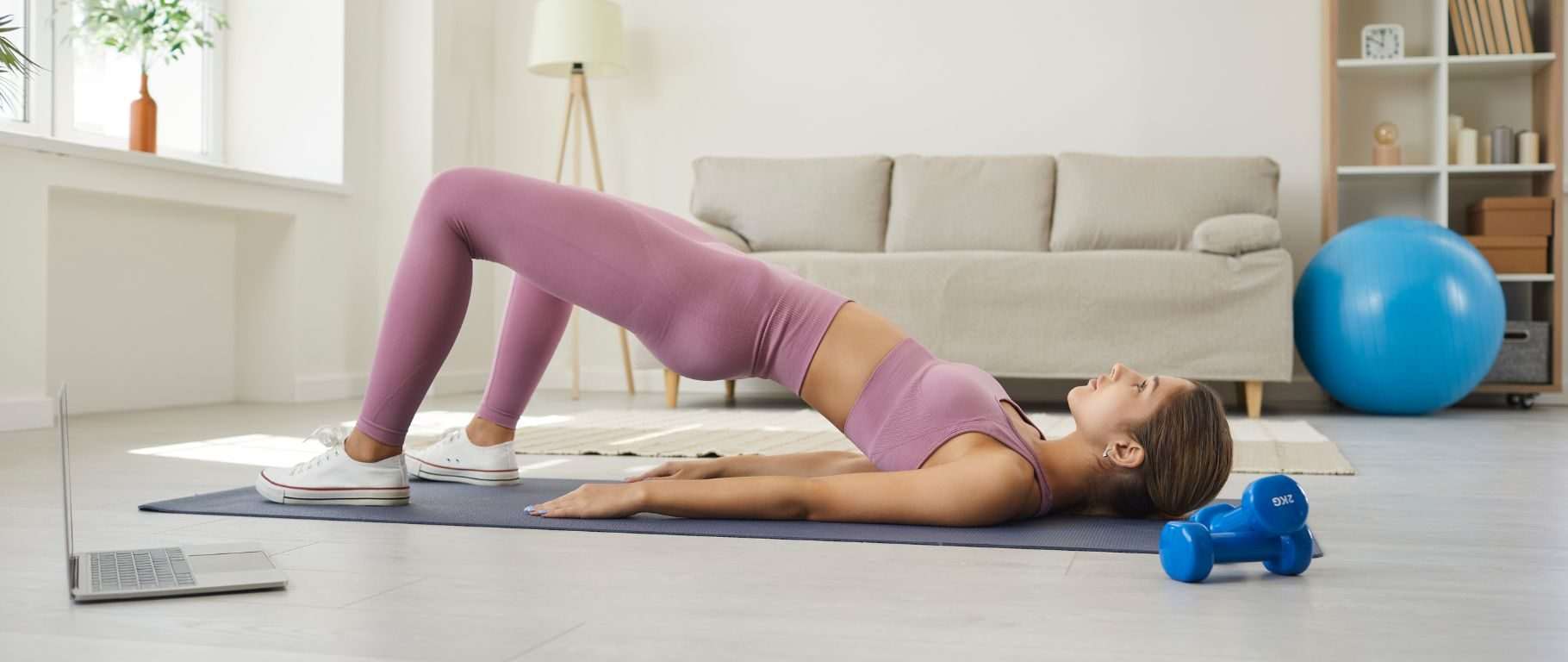
Pelvic health issues affect millions of women worldwide, yet many remain unaware of the options available to manage and alleviate these concerns. Conditions such as urinary incontinence, pelvic organ prolapse, pelvic pain, and sexual dysfunction can significantly impact daily life and emotional well-being. Pelvic floor physiotherapy offers a specialized, non-invasive approach that addresses the root causes of these problems, providing lasting relief and restoring function.
Common Pelvic Health Issues in Women
Women may experience a variety of pelvic health challenges throughout different stages of life, including:
Urinary Incontinence: Involuntary leakage of urine during activities like coughing, sneezing, or exercising.
Pelvic Organ Prolapse: When pelvic organs descend due to weakened support muscles, causing pressure or bulging sensations.
Chronic Pelvic Pain: Persistent pain in the lower abdomen or pelvic region often related to muscle dysfunction or nerve irritation.
Pain During Intercourse: Discomfort or pain that may arise from muscle tightness, scarring, or nerve sensitivity.
Bowel Dysfunction: Difficulty with bowel movements or fecal incontinence.
These conditions often result from childbirth, aging, hormonal changes, surgery, or lifestyle factors.
How Pelvic Floor Physiotherapy Addresses These Issues
Pelvic floor physiotherapy provides a comprehensive treatment approach tailored to each womans specific needs. By focusing on the muscles, nerves, and connective tissues that support pelvic organs, physiotherapy helps to:
1. Restore Muscle Strength and Function
Targeted exercises strengthen weak pelvic muscles, improving support for the bladder, uterus, and rectum. This can reduce symptoms of prolapse and urinary leakage.
2. Release Muscle Tension and Improve Flexibility
Manual therapy techniques help relax overly tight or spastic muscles that contribute to pelvic pain and discomfort during daily activities or intercourse.
3. Improve Coordination and Awareness
Learning to control and coordinate pelvic floor muscles enhances bladder and bowel control and reduces accidental leakage or urgency.
4. Enhance Posture and Core Stability
Pelvic floor muscles work closely with abdominal and back muscles. Physiotherapy incorporates posture correction and core strengthening to provide comprehensive support and reduce strain.
5. Provide Education and Self-Care Strategies
Understanding pelvic health empowers women to adopt habits that protect and maintain pelvic function, such as proper lifting techniques, bladder training, and lifestyle adjustments.
Who Benefits from Pelvic Floor Physiotherapy?
Women experiencing any of the above symptoms, those recovering from childbirth or pelvic surgery, and individuals with chronic pelvic conditions can all benefit from physiotherapy. Early intervention is particularly important to prevent progression and improve quality of life.
Long-Term Impact of Pelvic Physiotherapy
Addressing pelvic health issues through physiotherapy not only alleviates symptoms but also prevents future complications. Many women report increased confidence, improved mobility, better sleep, and enhanced sexual health after completing therapy.
Taking Charge of Your Pelvic Health
Pelvic health challenges are common but manageable. If you experience discomfort, leakage, or other pelvic symptoms, consult a pelvic floor physiotherapist. With personalized care, you can regain control, reduce pain, and restore function.
Pelvic floor physiotherapy is a vital tool for women seeking a healthier, more comfortable life empowering you to live fully and confidently at every stage.