Bad ergonomics can lead to:

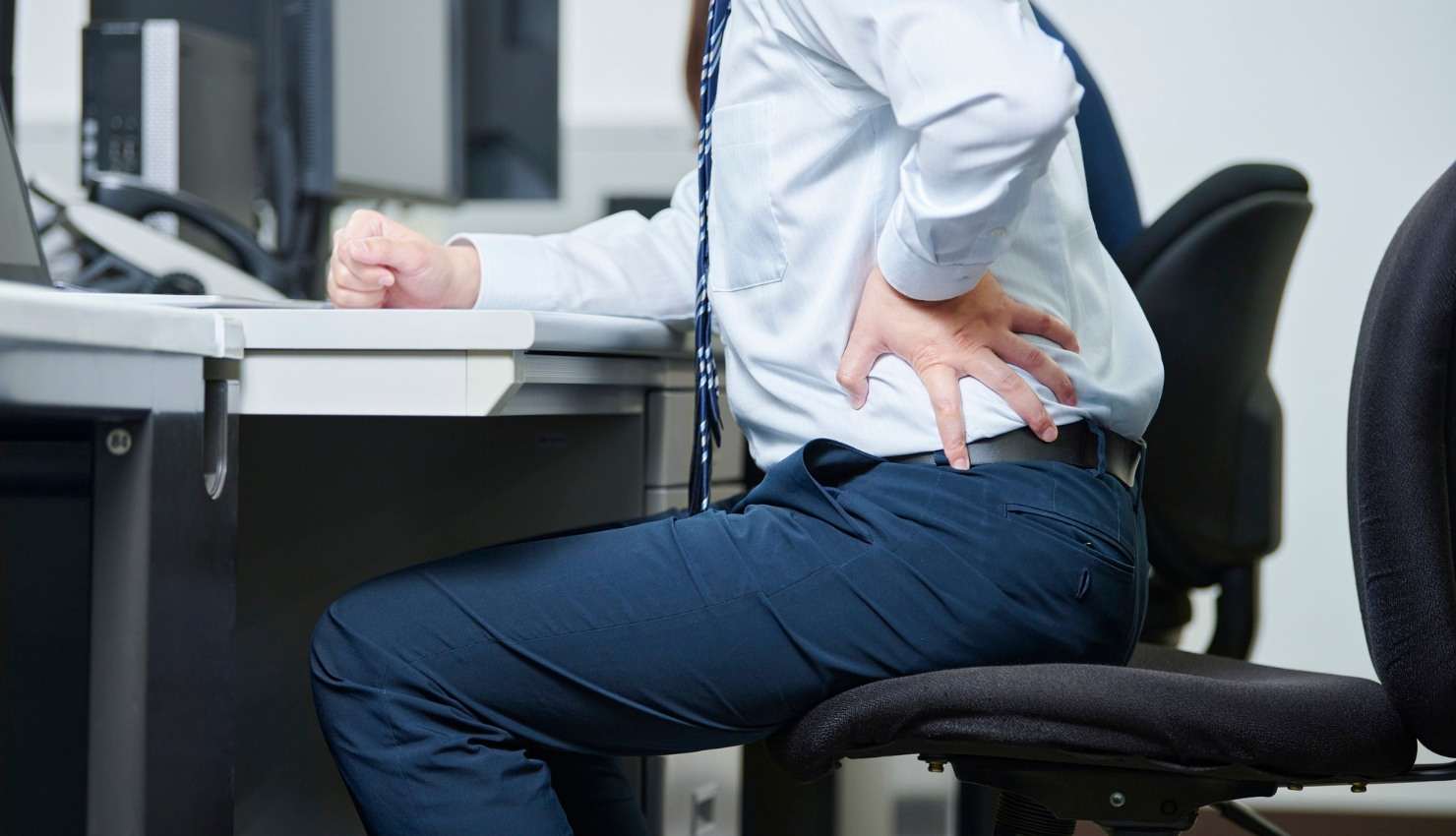
Bad ergonomics can lead to:
Chronic neck and shoulder tension
Back pain from poor lumbar support
Wrist and hand injuries (e.g., carpal tunnel)
Poor focus due to discomfort
Reduced productivity and fatigue
? Key Ergonomic Setup Checklist
??? Monitor
Top of the screen at or just below eye level
Distance: Arms length away (~2030 inches)
Avoid glare: Position perpendicular to windows
If using a laptop, add a separate keyboard + riser or stand
?? Chair
Adjustable height and back support
Lumbar support to preserve the natural curve of your lower back
Hips slightly higher than knees
Feet flat on the floor or on a footrest
Armrests should support elbows at a 90° angle, close to your sides
?? Use a rolled towel or lumbar cushion if your chair lacks back support.
?? Keyboard & Mouse
Place so forearms are parallel to the floor
Wrists should remain straight (neutral)
Keep mouse and keyboard at the same level
Keep elbows bent at 90100° and relaxed by your sides
Use shortcuts to minimize mouse use
?? Breaks and Movement Matter
Even a perfect setup wont help if you sit in one position for too long.
Try the 30-30 Rule:
Every 30 minutes, stand or stretch for 30 seconds
Add:
Standing desk sessions (alternate with sitting)
Micro-stretches: Neck rolls, shoulder shrugs, wrist flexor stretches
Short walks during breaks to reset circulation and reduce stiffness
?? Bonus Ergonomic Tips
Document holder: Keeps reference material at screen height
Anti-fatigue mat: Use if standing for long periods
Cable management: Keeps cords clear so you can sit close to the desk
Dual monitors: Align them properlycenter the one you use most often
Lighting: Avoid harsh overhead light; use desk lamps to reduce eye strain
?? Daily 1-Minute Ergonomic Check-In
Are my shoulders relaxed or hunched?
Are my wrists straight and elbows supported?
Is my back touching the chair with lumbar support?
Is my screen level with my eyes?
Have I moved in the last 30 minutes?
?? Physiotherapists Insight:
Your body is designed to move. Even the most ergonomic setup needs to be combined with posture variation, frequent movement, and stretching to keep your muscles and joints healthy.