Optimize Your Ergonomics Your workstation should support your body, not strain it.

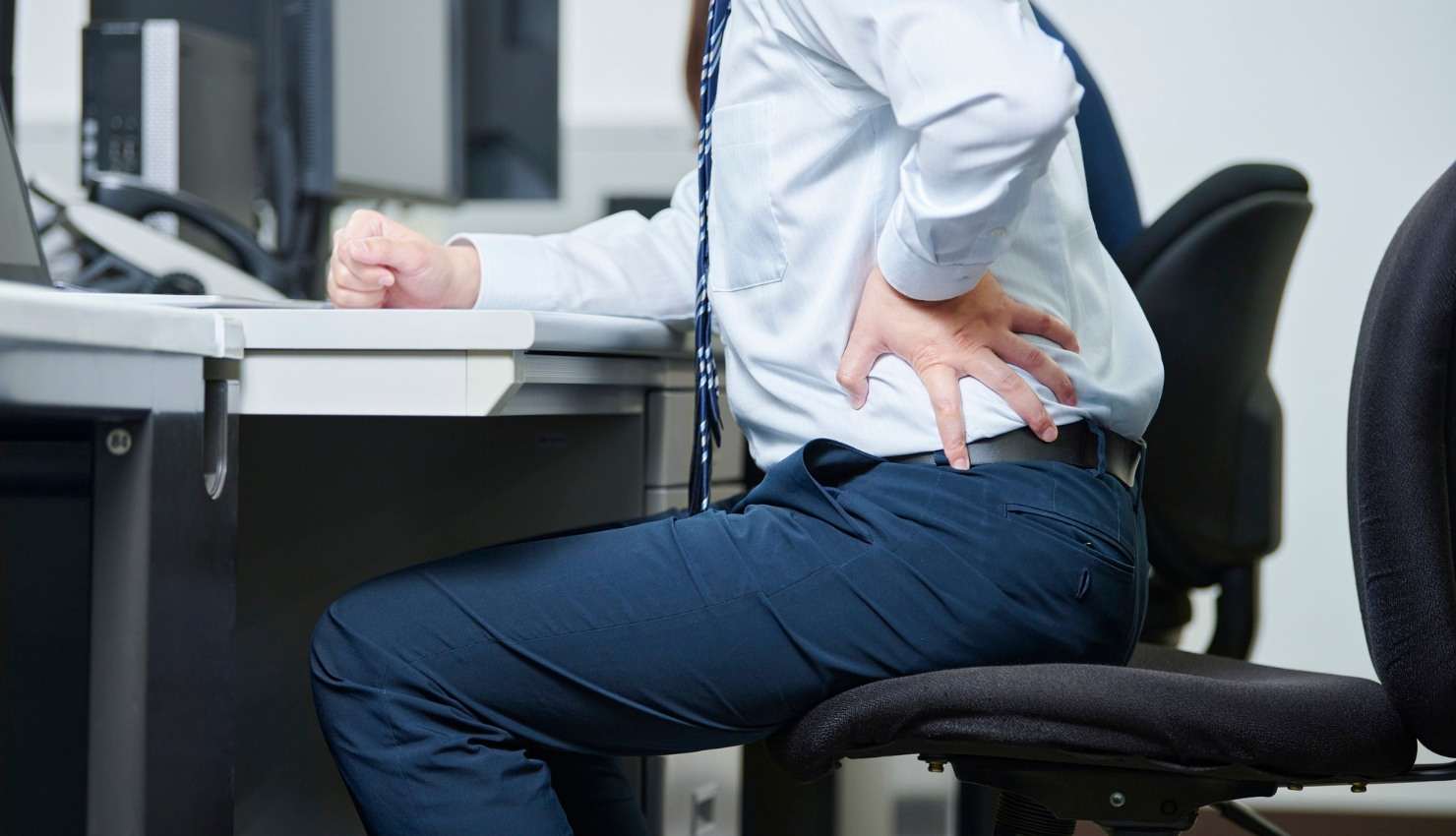
Optimize Your Ergonomics
Your workstation should support your body, not strain it.
Chair: Adjustable height, lumbar support, cushioned seat
Desk Height: Elbows bent at 90°, shoulders relaxed
Monitor: Top third of screen at eye level, arms length away
Keyboard & Mouse: Aligned with elbows, wrists straight
?? Use a laptop stand + external keyboard/mouse to avoid neck strain.
????? 2. Alternate Between Sitting and Standing
Too much sitting compresses your spine and weakens muscles.
Use a sit-stand desk or stack books to raise your laptop
Switch every 3060 minutes
Try walking during calls or using a balance cushion
?? Movement improves circulation, posture, and productivity.
????? 3. Incorporate Movement and Stretching
Break up static positions with short, frequent activity.
Set a timer for stretch breaks every 30 minutes
Do simple desk stretches for your neck, shoulders, hips, and back
Try a 5-minute yoga flow between meetings
?? 4. Protect Your Eyes and Prevent Screen Fatigue
Digital eye strain is commonbut preventable.
Follow the 20-20-20 Rule: Every 20 minutes, look 20 feet away for 20 seconds
Adjust screen brightness to match your room lighting
Use blue light filters or glasses
Position screen to avoid glare
?? 5. Improve Lighting and Air Quality
A fresh, well-lit space is better for both body and brain.
Use natural light when possible
Supplement with warm LED desk lamps
Add indoor plants for air purification
Open windows or use air filters to reduce stuffiness
?? 6. Support Mental Wellness
Your environment shapes your mood and focus.
Declutter and personalize your space
Add soothing colors or wall art
Play calming background music or white noise
Practice deep breathing or mindfulness between tasks
?? 7. Keep Healthy Snacks and Water Nearby
Fuel your body with intentionnot convenience.
Keep a water bottle at your desk
Stock healthy snacks: nuts, fruit, yogurt
Avoid endless coffeealternate with herbal tea or electrolyte water
?? 8. Stick to a Structured Routine
A healthy workspace only works if paired with healthy habits.
Start and stop work at the same times each day
Get dressed for workeven if casually
Take a lunch break away from your desk
End your day with a wind-down activity
????? Physiotherapy Insight:
Small daily adjustments in how you sit, move, and rest can prevent long-term pain and build resilience into your routine.
? Healthy Home Office Checklist:
? Ergonomic chair and monitor setup
? External keyboard and mouse
? Standing and movement breaks
? Eye strain prevention strategies
? Natural lighting and clean air
? Personal touches and mental breaks
? Regular hydration and healthy snacks
? Clear start/end work boundaries