The postpartum period is a critical time for pelvic floor recovery after childbirth. While many women experience natural healing, some face ongoing pelvic floor challenges that require professional care.

The postpartum period is a critical time for pelvic floor recovery after childbirth. While many women experience natural healing, some face ongoing pelvic floor challenges that require professional care. Understanding when to seek help for pelvic floor health after birth is essential to prevent long-term complications and support overall wellbeing.
Why Pelvic Floor Health Matters After Birth
Childbirth, whether vaginal or by cesarean, places significant strain on the pelvic floor muscles and connective tissues. These muscles support vital pelvic organs, including the bladder, uterus, and rectum. Damage, overstretching, or weakness can lead to symptoms such as urinary incontinence, pelvic pain, and prolapse.
Recovering pelvic floor function postpartum promotes better bladder and bowel control, improves core stability, reduces pain, and enhances quality of life.
Common Pelvic Floor Issues After Birth
Urinary Incontinence: Leakage of urine during activities such as coughing, sneezing, or exercise.
Pelvic Organ Prolapse: Feeling of pelvic heaviness or bulging caused by descent of pelvic organs.
Pelvic Pain or Discomfort: Pain around the vagina, lower back, or hips.
Difficulty with Bowel Movements: Constipation or pain during defecation.
Sexual Dysfunction: Pain or decreased sensation during intercourse.
When to Seek Physiotherapy Help After Birth
While mild symptoms often improve naturally within a few months postpartum, timely physiotherapy intervention can prevent worsening or chronic problems. Consider seeking help if you experience:
Persistent urinary leakage beyond six weeks postpartum
A sensation of pelvic heaviness, pressure, or bulging
Pain in the pelvic or lower back region affecting daily life
Difficulty identifying or activating pelvic floor muscles
Painful intercourse or sexual discomfort
Problems with bowel movements or control
How Physiotherapy Supports Postpartum Pelvic Floor Health
Pelvic health physiotherapy offers safe, specialized care to promote healing and restore function:
Assessment and Education: A thorough evaluation helps identify muscle weakness, scar tissue, or other issues. Physiotherapists educate on pelvic anatomy and recovery expectations.
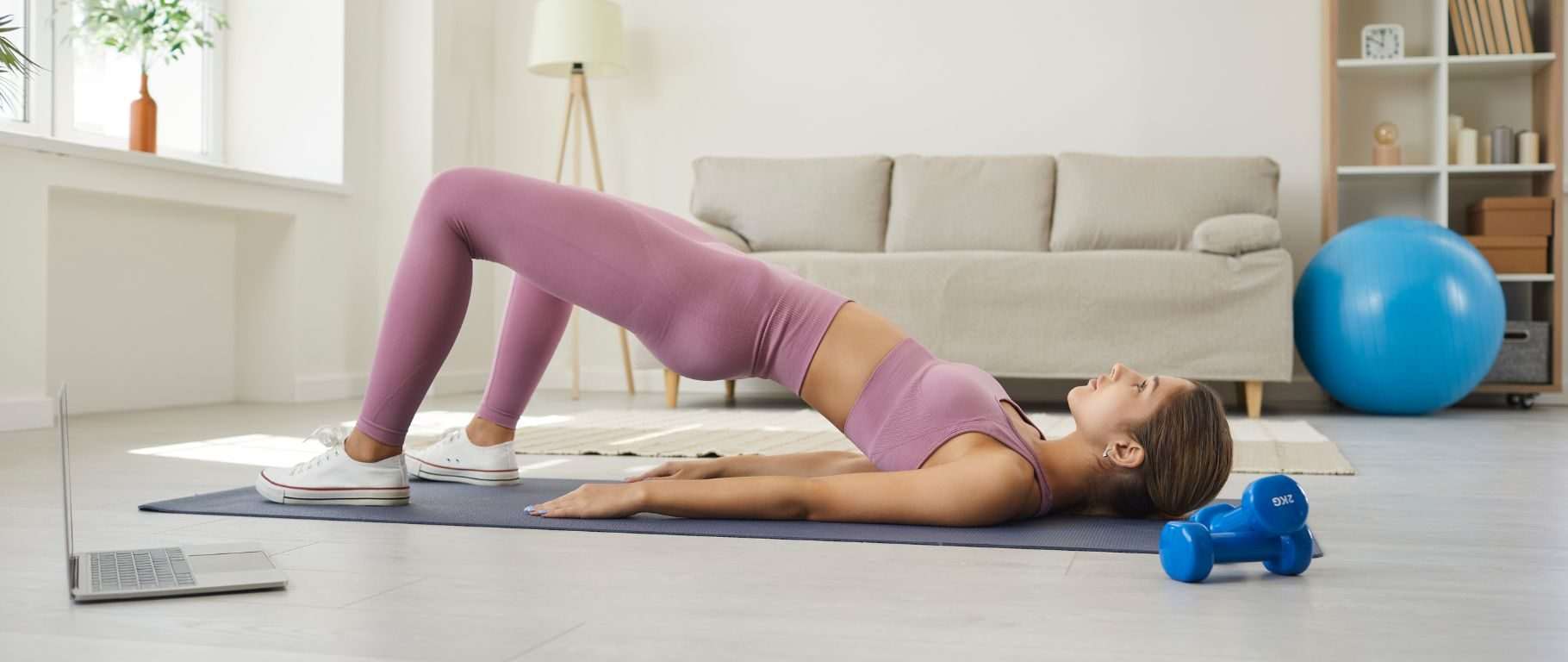
Pelvic Floor Muscle Training: Guided exercises help strengthen and coordinate pelvic floor muscles safely and effectively.
Scar Management: Gentle manual therapy promotes mobility and healing of episiotomy or C-section scars.
Pain Management: Techniques such as manual therapy and relaxation exercises alleviate pelvic pain and tension.
Functional Rehabilitation: Physiotherapists guide safe return to daily activities, exercise, and pelvic floor-friendly movements.
Benefits of Early Physiotherapy Intervention
Faster recovery of pelvic floor strength and control
Reduced risk of chronic pelvic pain or incontinence
Improved posture and core stability
Enhanced sexual health and confidence
Support for mental wellbeing through education and care
YourFormSux: Dedicated Postpartum Pelvic Health Support in Canada
At YourFormSux, we provide expert pelvic health physiotherapy for new mothers focused on safe, effective recovery after birth. Our personalized programs empower women to regain pelvic floor strength, manage symptoms, and enjoy active, healthy lives. If youre facing postpartum pelvic floor challenges, seeking professional physiotherapy can make a lasting difference.