Physiotherapists focus on mobility, strength, posture, and movement all key to preventing home office fatigue. These daily micro-adjustments support your body through active recovery rather than burnout.

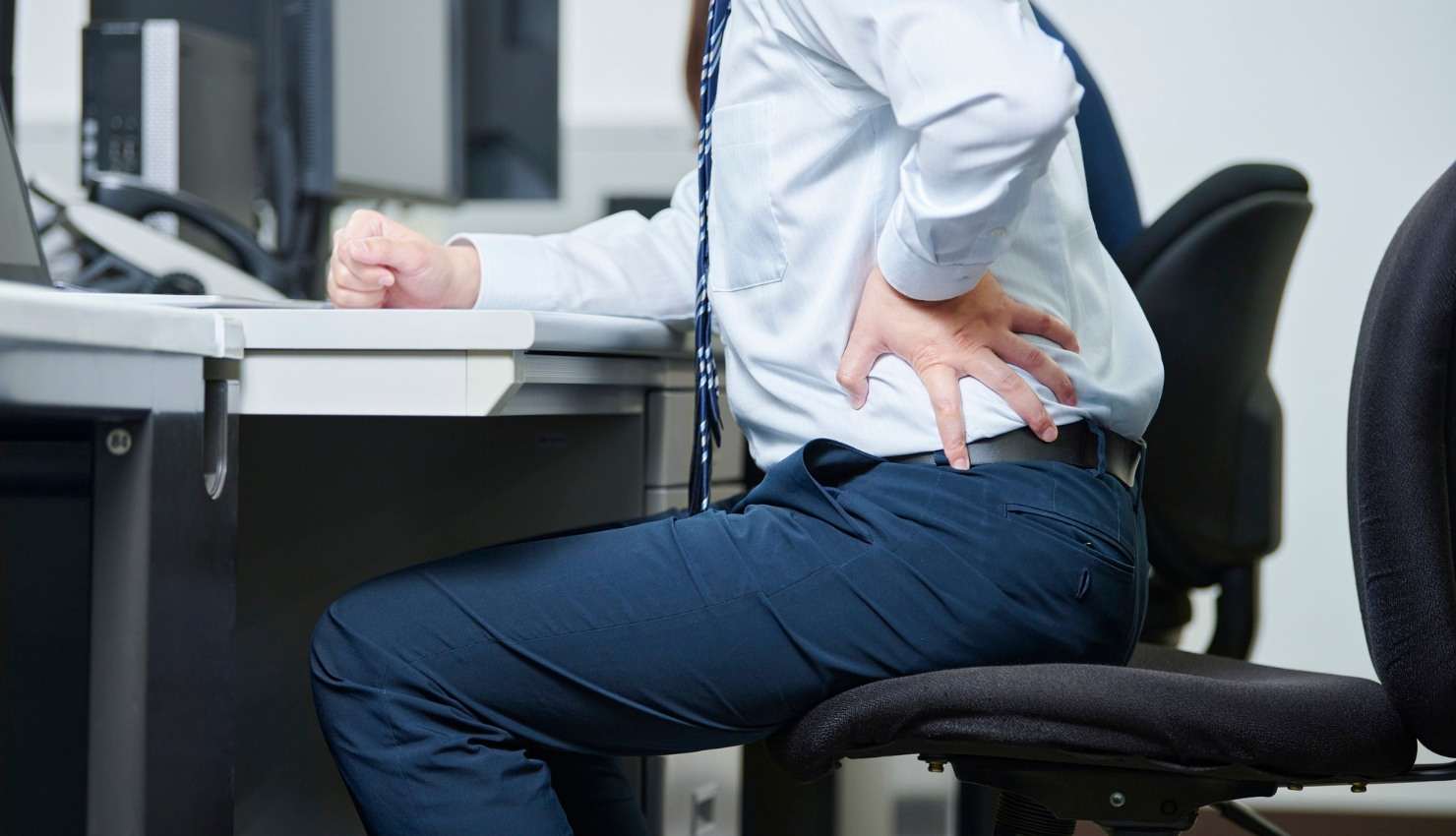
Physiotherapists focus on mobility, strength, posture, and movement all key to preventing home office fatigue. These daily micro-adjustments support your body through active recovery rather than burnout.
?? 1. Posture Check-In (Every Hour)
Poor posture is a silent energy drainer.
Physiotherapy Habit:
Sit tall, with ears over shoulders, shoulders back and relaxed
Chin tuck: gently pull your chin back to align the head over the spine
Scapular squeeze: pull shoulder blades down and together for 5 seconds
Repeat 23x per hour
?? Tip: Set a reminder to check your posture once every 60 minutes.
????? 2. Physio-Prescribed Movement Breaks
Stillness is the enemy of circulation and focus.
Every 3060 minutes:
March in place 1 minute
Wall push-ups 10 reps
Standing back extensions 10 reps
Upper trap stretch 30 seconds/side
?? These reset muscle tension and re-activate dormant postural muscles.
?? 3. Ergonomic Reset Zones
Physiotherapists recommend workspace zones that reduce repetitive strain.
Reset Your Setup:
Monitor: eye level, arms length away
Chair: lumbar support, hips above knees
Keyboard & mouse: elbows at 90°, wrists neutral
Feet: flat on the floor or on a footrest
?? Small equipment (like a lumbar pillow or monitor stand) can make a big difference.
?? 4. Daily Desk Physio Routine (57 Minutes)
Quick exercises to maintain joint mobility and core stability.
Sample:
Chin tucks 10 reps
Seated thoracic rotations 10 reps
Glute squeezes 2 sets of 10
Shoulder rolls + neck stretches 30 sec each
Heel raises or foot pumps 20 reps
Do this once in the morning, once mid-afternoon.
?? 5. Breath and Tension Awareness
Physios emphasize diaphragmatic breathing to reduce fatigue and muscle tightness.
Try:
Sit upright, place hands on your belly
Inhale slowly through the nose (count 4), expand the belly
Exhale through the mouth (count 6), letting shoulders relax
Repeat 5 cycles during stress or screen fatigue
????? This calms the nervous system and oxygenates fatigued tissues.
?????? 6. Strengthen to Sit Longer (Safely)
Build endurance in postural muscles to reduce fatigue buildup.
Focus on:
Glutes and core bridges, planks
Upper back band pull-aparts, wall angels
Hip flexors and hamstrings dynamic stretches
? 1015 minutes 3x/week can greatly reduce workday fatigue.
?? 7. Start and End the Day with Movement
Morning: prime the body
Evening: release tension
Physiotherapy-Inspired Routines:
AM: cat-cow stretch, neck rolls, bird-dogs
PM: hamstring stretch, chest opener, foam rolling upper back
?? Regular movement bookends reduce overall inflammation and stiffness.
?? 8. Hydrate & Nourish for Physical Resilience
Fatigue often stems from poor hydration and fueling.
Drink small sips regularly (not all at once)
Include magnesium-rich foods (nuts, greens, legumes)
Eat balanced meals: protein + fiber + healthy fats
?? Think of food and water as part of your daily physio prescription.
? Final Physiotherapy Takeaway:
Home office fatigue is preventable not with big workouts, but with small, daily body-supportive habits. Physiotherapy principles teach us to listen, move, reset, and create strength through consistency, not intensity.