Pelvic floor disorders are increasingly common yet frequently overlooked issues that significantly impact women’s health, comfort, and quality of life. Physiotherapy has emerged as a leading non-invasive approach to effectively manage, treat, and even prevent these conditions.

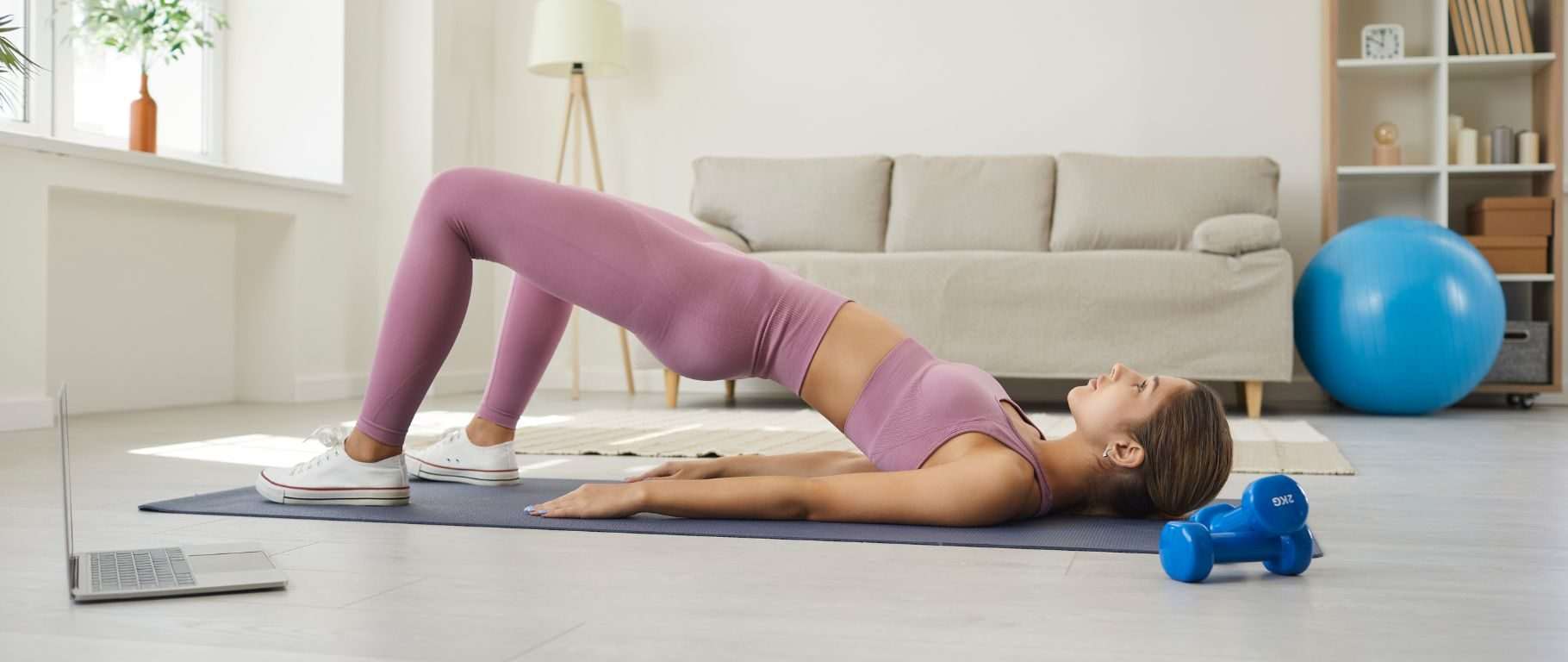
Pelvic floor disorders are increasingly common yet frequently overlooked issues that significantly impact women’s health, comfort, and quality of life. Physiotherapy has emerged as a leading non-invasive approach to effectively manage, treat, and even prevent these conditions. This blog explores pelvic floor disorders, their impact on women’s lives, and how specialized physiotherapy techniques can significantly improve symptoms and overall pelvic wellness.
Understanding Pelvic Floor Disorders
The pelvic floor consists of muscles, ligaments, and tissues that support pelvic organs, including the bladder, uterus, and rectum. When these muscles become weak or overly tight, various disorders can occur, such as urinary incontinence, pelvic organ prolapse, chronic pelvic pain, and sexual dysfunction.
While pelvic floor disorders are prevalentparticularly following pregnancy, childbirth, or menopausethey remain under-discussed, leaving many women unaware that effective treatment options like physiotherapy exist.
Common Types of Pelvic Floor Disorders
Understanding the types of pelvic floor disorders allows women to recognize symptoms early and seek appropriate care:
Urinary Incontinence: The involuntary loss of urine, especially during activities like sneezing, coughing, or exercising.
Pelvic Organ Prolapse: The descent of pelvic organs due to weakened pelvic muscles, causing discomfort or visible bulging.
Chronic Pelvic Pain: Persistent pain or discomfort in the pelvic region, often impacting daily activities and emotional health.
Dyspareunia (Painful Intercourse): Pain experienced during sexual activity, frequently linked to pelvic floor muscle tension or weakness.
Early identification and intervention through physiotherapy can dramatically reduce or eliminate symptoms associated with these conditions.
The Essential Role of Physiotherapy in Treatment
Pelvic floor physiotherapy focuses specifically on rehabilitating weakened or overly tense pelvic muscles. Physiotherapists specializing in women’s health perform thorough assessments to identify the root causes of dysfunction, providing personalized and effective treatment plans.
Comprehensive Pelvic Floor Assessment
A detailed physiotherapy assessment includes:
Evaluating muscle strength, flexibility, and endurance.
Identifying tension points and trigger areas.
Reviewing posture, alignment, and movement patterns.
Discussing lifestyle factors, such as diet, physical activity, and stress levels.
This holistic approach ensures accurate diagnosis and targeted therapy tailored precisely to each womans unique needs.
Tailored Exercise Programs: Strengthening and Relaxation
Central to physiotherapy treatment for pelvic floor disorders are targeted exercises. Pelvic floor muscle exercises, commonly known as Kegel exercises, help strengthen and support pelvic organs, improving control and reducing symptoms of urinary incontinence and prolapse.
However, not all pelvic floor issues involve weaknesssome require relaxation and stretching techniques. Physiotherapists expertly guide women through exercises designed to relieve excessive tension and tightness, thus alleviating pain and discomfort.
Biofeedback and Muscle Retraining
Biofeedback is an invaluable physiotherapy tool, providing real-time visual or auditory feedback about pelvic muscle activity. Sensors help women learn precisely how to contract and relax pelvic muscles correctly, significantly enhancing the effectiveness of physiotherapy exercises.
Biofeedback training promotes faster improvement, as women develop a deeper awareness of their pelvic floor muscles, leading to sustained recovery and optimal pelvic health.
Manual Therapy Techniques
Physiotherapists frequently incorporate manual therapy to address pelvic floor dysfunctions effectively. Techniques include myofascial release, soft tissue mobilization, and gentle massage. These methods improve blood circulation, decrease tension, and encourage muscle relaxation, thereby reducing pelvic pain and discomfort.
Manual therapy significantly complements exercise-based interventions, promoting quicker and lasting recovery.
Lifestyle Adjustments and Education
An essential part of pelvic floor physiotherapy involves patient education on lifestyle adjustments. Physiotherapists offer guidance on:
Appropriate fluid intake and bladder habits to manage urinary symptoms effectively.
Dietary modifications to address chronic constipation, which often exacerbates pelvic floor issues.
Strategies for proper lifting and posture to prevent strain on pelvic muscles during daily activities.
Educating women empowers them to actively participate in their treatment plan, promoting sustained improvement and long-term pelvic health.
Preventative Care and Maintenance
Pelvic floor physiotherapy isn’t limited to treatmentit plays a critical role in prevention as well. Regular pelvic floor strengthening exercises, lifestyle modifications, and proactive management during pregnancy, postpartum periods, or menopause significantly reduce the risk of developing pelvic floor disorders.
A proactive approach ensures lasting pelvic wellness, enabling women to lead confident and comfortable lives without the burden of persistent pelvic health issues.
Benefits of Physiotherapy for Pelvic Floor Disorders
The advantages of pelvic floor physiotherapy include:
Non-invasive, safe, and effective symptom relief.
Improved muscle strength, tone, and function.
Enhanced bladder and bowel control.
Relief from chronic pelvic pain and improved sexual health.
Increased confidence and improved quality of life.
When to Seek Pelvic Floor Physiotherapy
Early intervention is crucial for optimal outcomes. Women experiencing any symptoms such as urinary leakage, pelvic discomfort, or painful intercourse should promptly consult a pelvic health physiotherapist. Early consultation ensures faster relief, effective management, and prevention of complications.
Conclusion: Empower Your Pelvic Health through Physiotherapy
Pelvic floor disorders do not have to diminish your quality of life. Physiotherapy offers highly effective, targeted, and personalized care that can dramatically improve pelvic health, restore function, and alleviate discomfort. Taking the first step toward consulting a pelvic health physiotherapist can profoundly impact your overall wellness, empowering you to regain control and confidence in your daily life.