Postpartum pelvic health often goes unnoticed until symptoms become prominent, yet it is a critical aspect of women’s overall recovery and wellness following childbirth. Physiotherapy plays a significant role in restoring pelvic health, addressing issues such as urinary incontinence, pelvic organ prolapse, muscle weakness, and pain.

Postpartum pelvic health often goes unnoticed until symptoms become prominent, yet it is a critical aspect of women’s overall recovery and wellness following childbirth. Physiotherapy plays a significant role in restoring pelvic health, addressing issues such as urinary incontinence, pelvic organ prolapse, muscle weakness, and pain. This blog highlights why postpartum pelvic health restoration is essential, how physiotherapy supports this healing process, and the effective techniques employed by pelvic health physiotherapists.
Understanding Postpartum Pelvic Health
Childbirth, whether vaginal or via cesarean section, places substantial stress on a womans pelvic floor muscles. These muscles, crucial for supporting pelvic organs and managing bladder, bowel, and sexual function, may become weak, overstretched, or damaged during pregnancy and delivery.
Common postpartum pelvic health issues include:
Urinary incontinence: Leaking urine during activities like sneezing, laughing, or exercising.
Pelvic organ prolapse: Weakness in pelvic muscles causing organs such as the bladder or uterus to descend.
Diastasis recti: Separation of abdominal muscles contributing to core instability.
Pelvic pain and discomfort: Persistent soreness or pain in the pelvic region or lower back.
Fortunately, physiotherapy offers safe and effective treatments that can significantly improve these symptoms, restoring comfort and function for new mothers.
Why Postpartum Physiotherapy Matters
Postpartum physiotherapy is crucial for both immediate recovery and long-term pelvic health. It is proactive, evidence-based, and tailored specifically to each womans unique needs. The benefits include:
Faster recovery of pelvic muscles and core strength.
Reduced risk of developing long-term pelvic floor disorders.
Improved bladder and bowel control.
Relief from postpartum pain and discomfort.
Enhanced sexual health and emotional well-being.
By actively seeking physiotherapy postpartum, mothers regain control over their physical health and confidence, enhancing their overall postpartum experience.
Physiotherapy Approaches for Postpartum Pelvic Health Restoration
Pelvic health physiotherapists utilize various specialized techniques designed to address postpartum issues comprehensively. Below are key interventions employed:
Comprehensive Pelvic Floor Assessment
A thorough physiotherapy evaluation involves assessing pelvic floor muscle strength, flexibility, and endurance. Physiotherapists identify areas of weakness or tension, designing personalized treatment plans to restore optimal pelvic function.
Pelvic Floor Muscle Training (Kegel Exercises)
Kegel exercises remain central to postpartum recovery. Physiotherapists teach correct techniques, guiding women through exercises to rebuild pelvic floor strength gradually and effectively. Regularly performed Kegels significantly improve bladder control, reduce pelvic prolapse symptoms, and enhance core stability.
Core Muscle Strengthening
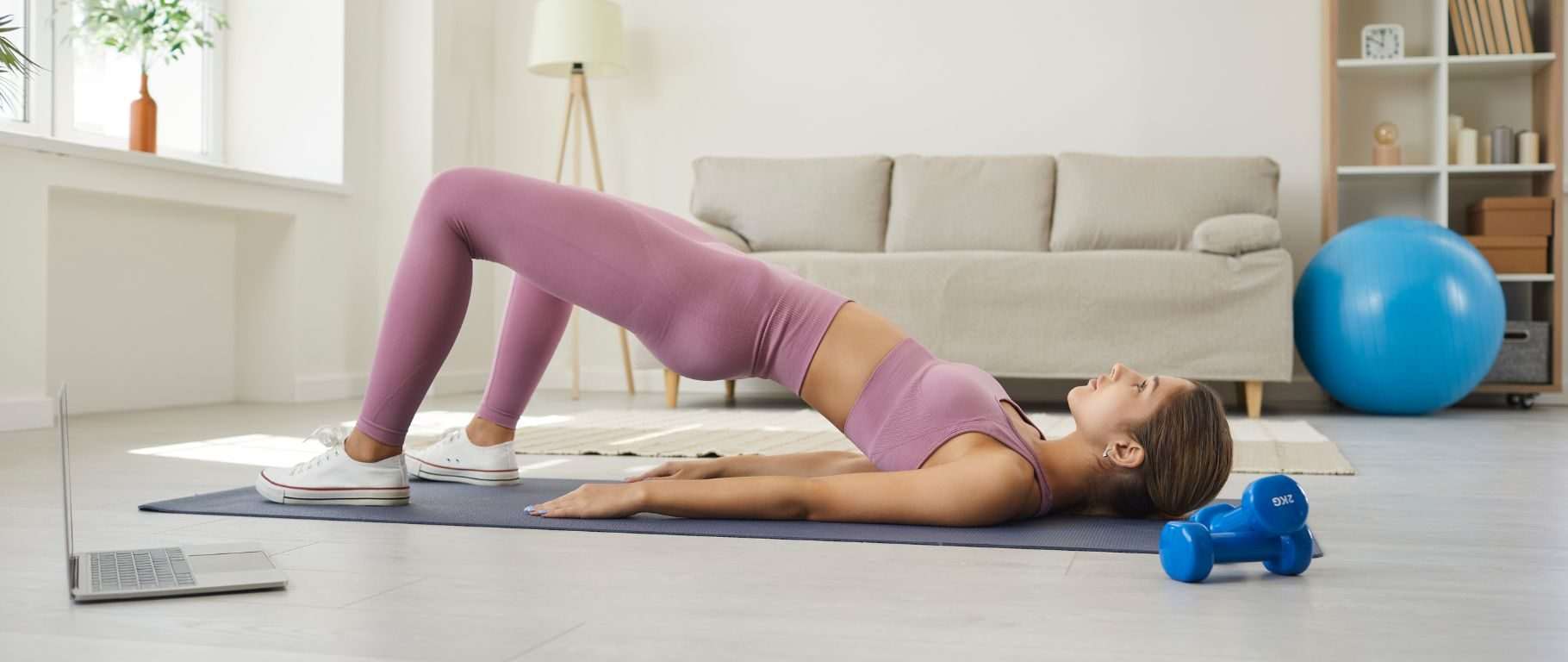
Diastasis rectiabdominal muscle separationis a common postpartum issue. Physiotherapists provide targeted exercises focusing on abdominal and pelvic floor muscles, helping restore core stability. Exercises such as gentle abdominal contractions, pelvic tilts, bridges, and Pilates-based routines support core rehabilitation safely and efficiently.
Biofeedback Therapy
Biofeedback technology provides visual and sensory feedback, helping women accurately identify and control pelvic floor muscles. Physiotherapists utilize biofeedback to ensure proper execution of exercises, promoting quicker and more effective recovery of pelvic function.
Manual Therapy and Soft Tissue Techniques
Postpartum pelvic pain or discomfort often arises from muscle tension or scar tissue related to childbirth injuries. Physiotherapists use gentle manual techniques, including myofascial release, tissue mobilization, and massage, to reduce tension, improve circulation, and promote healing in the pelvic area.
Lifestyle Modifications and Education
Physiotherapists guide postpartum women through critical lifestyle adjustments, including:
Proper lifting techniques to avoid strain on pelvic muscles.
Postural awareness to reduce pressure on the pelvic floor and abdomen.
Dietary advice to manage constipation, reducing pelvic strain.
Recommendations for gradual return to physical activity, ensuring safe and optimal recovery.
This comprehensive education empowers new mothers with practical knowledge, helping them navigate their postpartum recovery confidently.
Optimal Timing for Physiotherapy
Early physiotherapy intervention postpartum often yields the best outcomes. Ideally, women should seek physiotherapy support approximately six weeks postpartumonce their medical provider has given clearance. However, it is never too late to benefit from physiotherapy; even women experiencing issues months or years postpartum can find substantial relief and improvements.
Preventative Physiotherapy: A Proactive Approach
Postpartum pelvic physiotherapy is not merely reactive; it plays a significant preventative role. Women who proactively engage in pelvic floor exercises during pregnancy and continue postpartum experience fewer complications, enhanced recovery, and improved long-term pelvic health.
Recognizing When Professional Help Is Needed
Women should seek professional physiotherapy assistance promptly if experiencing:
Ongoing urinary leakage beyond six weeks postpartum.
Persistent pelvic pain or discomfort.
Noticeable abdominal separation or weakness.
Symptoms indicating pelvic organ prolapse (e.g., a feeling of heaviness or bulging).
Pain during intercourse or persistent lower back pain.
Prompt consultation ensures timely management and optimal recovery.
Long-Term Benefits of Postpartum Physiotherapy
The long-term advantages of postpartum physiotherapy include:
Enhanced pelvic strength and stability.
Reduced risk of future pelvic health disorders.
Improved overall core and postural alignment.
Greater confidence and emotional well-being.
By investing in postpartum pelvic physiotherapy, mothers secure a foundation of robust pelvic health, contributing significantly to their lifelong physical wellness.
Conclusion: Empowering Women Through Physiotherapy
Postpartum pelvic health is fundamental to overall wellness following childbirth. Physiotherapy provides a safe, highly effective pathway toward restoring pelvic function, comfort, and confidence for new mothers. Through specialized exercise, education, and manual therapy, physiotherapists offer comprehensive care tailored specifically to each woman’s unique needs, facilitating swift, successful postpartum recovery.
Prioritizing postpartum pelvic physiotherapy not only alleviates immediate concerns but also secures lasting pelvic health, empowering women to thrive physically and emotionally during one of life’s most transformational periods.
Tools