


Pelvic health is a foundational component of overall physical mobility and flexibility for women. The pelvic region not only supports vital organs but also serves as the core anchor for many muscles involved in movement and posture.

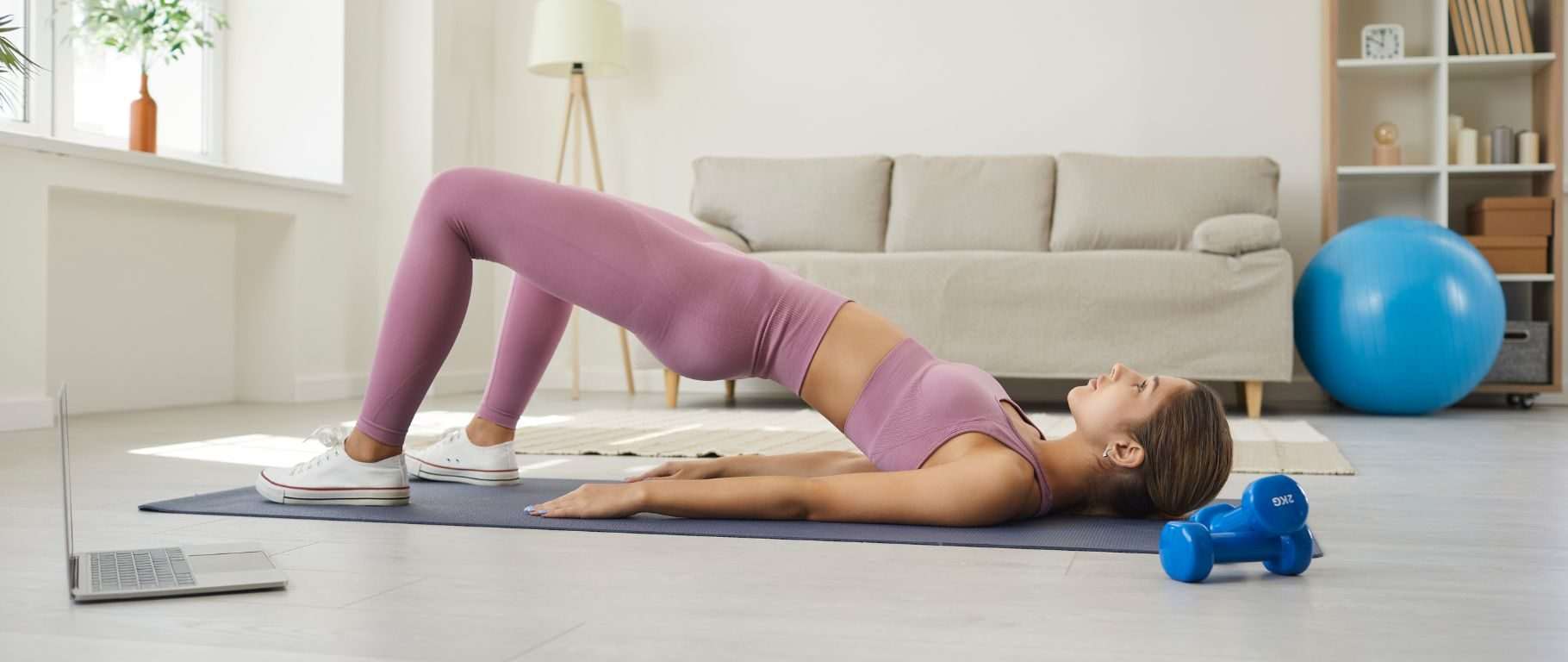
Pelvic health is a foundational component of overall physical mobility and flexibility for women. The pelvic region not only supports vital organs but also serves as the core anchor for many muscles involved in movement and posture. When pelvic health is compromised, it can negatively affect balance, flexibility, and daily function. Understanding this connection highlights the importance of pelvic physiotherapy in maintaining an active, mobile lifestyle.
How Pelvic Health Influences Mobility and Flexibility
The pelvic floor muscles form the base of the core muscle group, which includes the diaphragm, abdominal muscles, and back muscles. This core system stabilizes the spine and pelvis, allowing fluid movement and preventing injury.
Poor pelvic floor function can lead to:
Reduced core stability: Weakness may cause compensations in posture and gait, increasing injury risk.
Limited range of motion: Tight or dysfunctional pelvic muscles restrict hip and lower back flexibility.
Pain and discomfort: Pelvic pain can limit willingness or ability to move freely.
Balance issues: Impaired pelvic support affects balance and coordination.
Maintaining pelvic muscle strength and flexibility is therefore critical for optimal movement and injury prevention.
How Physiotherapy Supports Pelvic Health for Mobility
Pelvic health physiotherapy offers specialized interventions to improve muscle function, reduce pain, and enhance flexibility. These benefits directly translate into improved mobility.
Key physiotherapy approaches include:
1. Pelvic Floor Muscle Training
Strengthening and coordinating the pelvic floor enhances core stability, which supports spinal alignment and efficient movement patterns.
2. Manual Therapy for Soft Tissue Release
Techniques such as myofascial release and trigger point therapy reduce muscle tension in the pelvic region, improving tissue extensibility and flexibility.
3. Postural Alignment and Movement Education
Physiotherapists assess and correct posture and movement mechanics to reduce undue pelvic strain and improve joint mobility.
4. Breathing and Core Activation Exercises
Integrating diaphragm breathing with pelvic floor activation optimizes core engagement, enhancing dynamic stability and movement control.
Benefits of Maintaining Pelvic Health for Active Women
Women with strong, flexible pelvic floors often experience:
Improved athletic performance through better core control
Reduced lower back and hip pain
Enhanced balance and coordination
Greater ease in everyday activities such as walking, lifting, and bending
Prevention of pelvic floor dysfunction-related mobility limitations
Pelvic Health Considerations Across Life Stages
Pelvic health challenges can arise at any age due to pregnancy, menopause, surgery, or lifestyle factors like prolonged sitting. Regular pelvic physiotherapy helps women maintain mobility and flexibility by addressing these challenges proactively.
When to Seek Pelvic Physiotherapy
Women should consider pelvic physiotherapy if they experience:
Pelvic or lower back pain
Urinary leakage or urgency affecting activity
Limited hip or pelvic flexibility
Difficulty with balance or coordination
Postural issues or core weakness
Early intervention can prevent deterioration and support continued mobility.
Finding Pelvic Health Physiotherapy Services in Canada
Choosing a physiotherapist with pelvic health specialization ensures targeted treatment focused on mobility and function. These experts work closely with clients to develop personalized plans emphasizing strength, flexibility, and lifestyle integration.
Conclusion
Pelvic health is integral to maintaining mobility and flexibility, underpinning womens ability to live active, pain-free lives. Physiotherapy offers effective tools to strengthen pelvic muscles, improve tissue health, and optimize movement. Prioritizing pelvic wellness through physiotherapy supports long-term physical function and quality of life.
If you want to enhance your mobility and flexibility by addressing pelvic health, consulting a pelvic health physiotherapist can provide expert care and tailored solutions to meet your goals.

