Childbirth is a transformative experience, but it can take a significant toll on a womans pelvic health. The pelvic floor muscles, which play a crucial role in supporting the bladder, uterus, and bowel, often become stretched or weakened during pregnancy and delivery.

Childbirth is a transformative experience, but it can take a significant toll on a womans pelvic health. The pelvic floor muscles, which play a crucial role in supporting the bladder, uterus, and bowel, often become stretched or weakened during pregnancy and delivery. Restoring pelvic health postpartum is essential to prevent issues such as urinary incontinence, pelvic pain, and prolapse. Fortunately, simple and effective exercises guided by physiotherapy principles can help women regain pelvic strength and function.
Why Postpartum Pelvic Health Matters
The pelvic floor muscles provide vital support to pelvic organs and contribute to core stability. After childbirth, these muscles may lose tone or coordination, leading to symptoms like leakage, pelvic heaviness, or discomfort during movement. Addressing pelvic health early helps prevent long-term complications and supports overall physical well-being.
Simple Exercises to Rebuild Pelvic Floor Strength
Postpartum pelvic health exercises focus on gradual strengthening and restoring muscle control. Its important to start gently and progress based on individual recovery.
1. Pelvic Floor Muscle Contractions (Kegels)
Kegel exercises are the foundation for pelvic floor rehabilitation. To perform Kegels correctly:
Sit or lie down comfortably.
Imagine you are trying to stop urine flow and tighten those muscles.
Hold the contraction for 5 seconds, then relax for 5 seconds.
Repeat 10 times per session, 3 times a day.
Avoid tightening the abdomen, buttocks, or thighs. A physiotherapist can help ensure proper technique.
2. Diaphragmatic Breathing
Breathing deeply using the diaphragm helps coordinate the pelvic floor with the core muscles. To practice:
Place one hand on your belly.
Inhale slowly through your nose, feeling your belly rise.
Exhale gently, feeling your belly fall.
Pair this with gentle pelvic floor contractions during exhale.
This technique reduces pelvic tension and supports muscle activation.
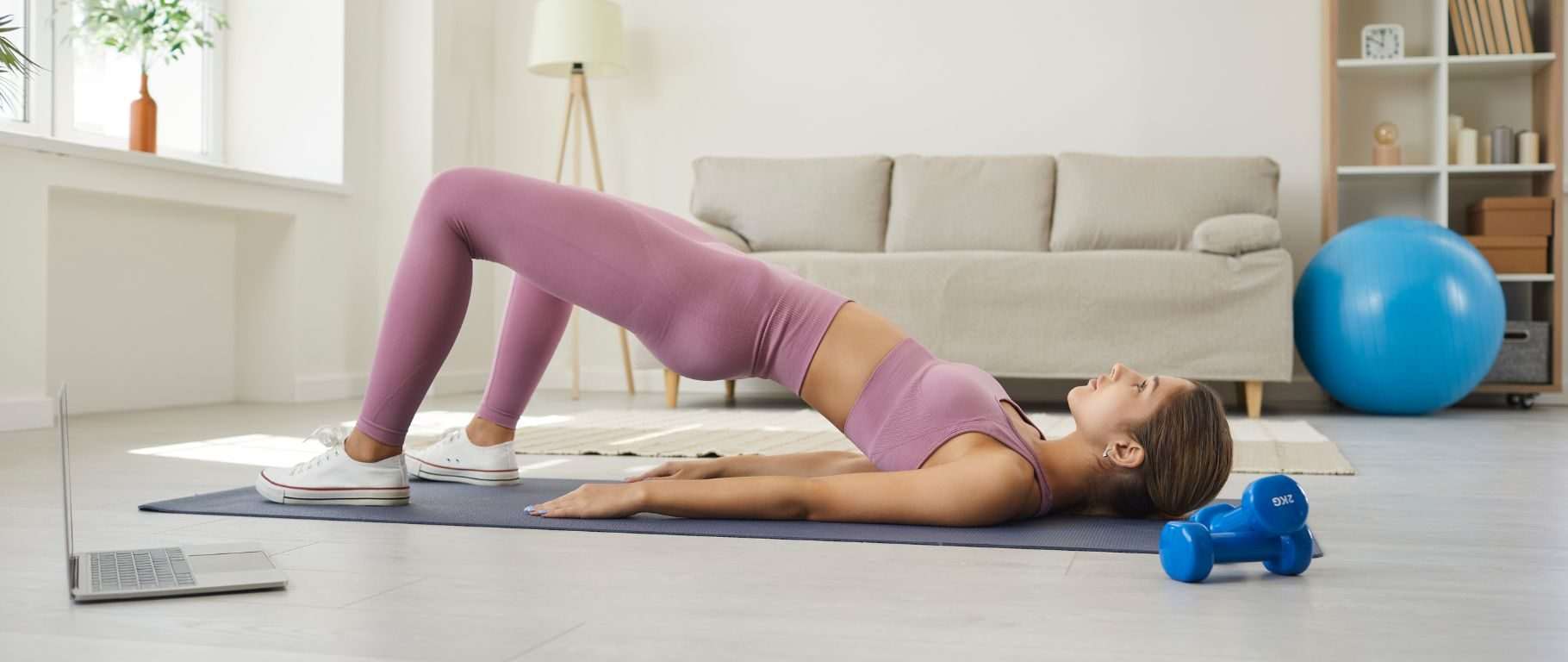
3. Bridge Pose
This exercise strengthens the glutes and core, supporting pelvic floor recovery.
Lie on your back with knees bent and feet hip-width apart.
Engage your pelvic floor and lift your hips toward the ceiling.
Hold for a few seconds, then lower slowly.
Repeat 10-15 times.
Focus on maintaining pelvic floor engagement throughout.
4. Hip Abduction
Strengthening hip muscles improves pelvic alignment and support.
Lie on your side with legs straight.
Slowly lift the top leg up and lower it back down.
Perform 10-15 repetitions on each side.
When to Seek Professional Guidance
While these exercises are safe for most postpartum women, its best to consult a pelvic health physiotherapist, especially if you experience pain, heavy bleeding, or pelvic organ prolapse symptoms. A physiotherapist can tailor exercises, monitor progress, and offer techniques such as biofeedback or manual therapy to enhance recovery.
Supporting Pelvic Health Beyond Exercises
In addition to targeted exercises, lifestyle habits contribute to pelvic health restoration:
Maintain a balanced diet rich in fiber to avoid constipation.
Stay hydrated.
Avoid heavy lifting and high-impact activities in early postpartum.
Practice good posture to reduce pelvic strain.
Conclusion
Restoring pelvic health after childbirth doesnt have to be complicated. With simple, consistent exercises and professional support, women can rebuild pelvic floor strength and improve their quality of life. At YourFormSux, we provide expert pelvic health physiotherapy services in Canada, helping new mothers regain confidence and comfort through personalized care.