Postpartum recovery often focuses on visible healing and newborn care, but pelvic health is a foundational aspect thats frequently overlooked. Many women experience pelvic floor issues after childbirth, including incontinence, prolapse, pelvic pain, and weakness.

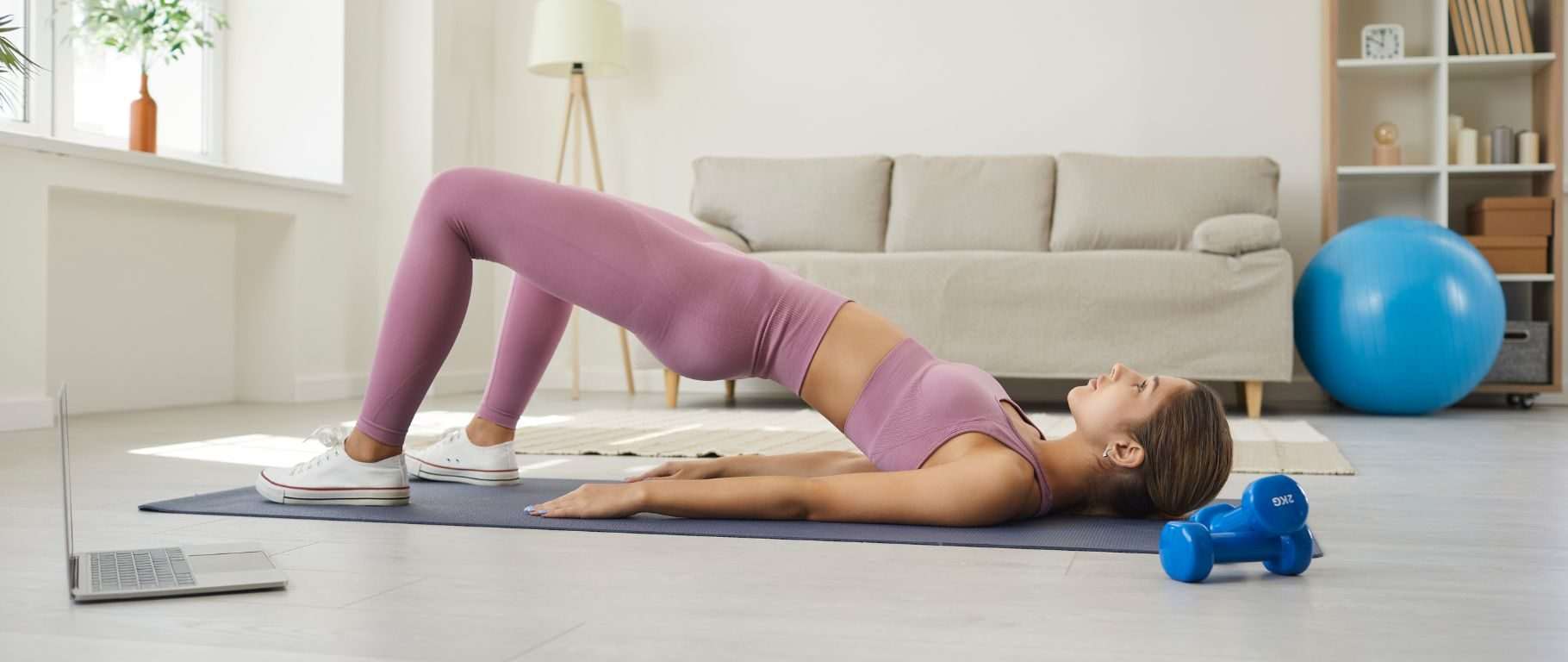
Postpartum recovery often focuses on visible healing and newborn care, but pelvic health is a foundational aspect thats frequently overlooked. Many women experience pelvic floor issues after childbirth, including incontinence, prolapse, pelvic pain, and weakness. Left untreated, these symptoms can linger for months or even years. Physiotherapy provides safe, evidence-based solutions that support recovery, restore function, and prevent long-term complications. In this blog, we explore how pelvic health physiotherapy can effectively address postpartum problems and promote full-body wellness.
Understanding Postpartum Pelvic Health Challenges
Childbirth places considerable stress on the pelvic floor, whether a woman delivers vaginally or via cesarean section. During pregnancy, the pelvic muscles stretch and bear the increasing weight of the uterus. Labor, especially prolonged or assisted delivery, can lead to muscle strain, tearing, and nerve damage.
Common postpartum pelvic health problems include:
Urinary or fecal incontinence
Pelvic organ prolapse
Pain during intercourse
Pelvic or lower back pain
Weakness or disconnection in core muscles
Diastasis recti (abdominal separation)
Many women believe these symptoms are a normal part of motherhood. However, with timely physiotherapy, they can be addressed, managed, and often fully resolved.
Why Physiotherapy Matters After Childbirth
Pelvic physiotherapy provides specialized care designed for postpartum recovery. Trained physiotherapists assess the condition of pelvic muscles, connective tissues, and surrounding areas to create customized rehabilitation plans. The goal is to support healing, reduce symptoms, and help women return to their daily routines and physical activities with confidence.
Key Physiotherapy Interventions for Postpartum Recovery
Pelvic Floor Muscle Training (PFMT)
Strengthening the pelvic floor is one of the most essential components of postpartum recovery. PFMT (often known as Kegels) focuses on regaining muscle tone, coordination, and endurance. A physiotherapist ensures proper technique, as incorrect form can worsen symptoms or lead to frustration. Gradual progression of these exercises restores strength and bladder control while reducing prolapse risk.
Manual Therapy for Muscle Release and Alignment
Some women experience tight or overactive pelvic floor muscles after childbirth, especially if they had perineal tearing, episiotomies, or scar tissue. Manual therapy techniques relieve tension, release soft tissue restrictions, and reduce pain. This hands-on approach is also used to address hip, sacroiliac joint, or lumbar spine issues that commonly accompany postpartum pelvic dysfunction.
Diastasis Recti and Core Restoration
Physiotherapists assess abdominal separation (diastasis recti) and design core rehabilitation exercises that safely restore muscle integrity. Strengthening the deep abdominal muscles in coordination with the pelvic floor is vital for full recovery and spinal support. Proper core training also improves posture and reduces lower back pain.
Bladder and Bowel Retraining
For women struggling with urgency, leakage, or bowel difficulties postpartum, physiotherapy offers structured retraining. Techniques may include bladder control strategies, bowel positioning education, dietary advice, and breathwork to restore natural function without strain.
Breathwork and Relaxation Techniques
Breathing patterns often shift during pregnancy and childbirth. Diaphragmatic breathing reconnects the diaphragm and pelvic floor, promoting healing and relaxation. Physiotherapists guide women through safe breathwork exercises that also aid in managing anxiety, sleep disturbances, and emotional overwhelmcommon postpartum experiences.
Postural and Movement Correction
Posture often suffers during pregnancy and postpartum due to abdominal changes, breastfeeding, and lifting the baby. Improper posture adds pressure to the pelvic floor and core. Physiotherapists assess alignment and train mothers to move, lift, and carry in ways that protect the pelvic area while caring for their newborn.
Sexual Health and Intimacy Recovery
Pain during or fear of intimacy is a common but underdiscussed issue postpartum. Physiotherapists address scar tissue sensitivity, muscle tension, and pelvic misalignment that may interfere with sexual function. With targeted treatment and education, sexual health can be restored without discomfort or fear.
Emotional and Psychological Empowerment
Physiotherapy provides a safe, judgment-free environment where women can openly discuss concerns that are often minimized in routine postpartum care. The reassurance that pelvic health symptoms are treatablenot something to suffer throughhas a profound emotional benefit. Education, validation, and physical progress help restore confidence and reduce anxiety or feelings of isolation.
When to Start Postpartum Physiotherapy
Women can begin physiotherapy as early as 6 weeks postpartum, or sooner if cleared by their healthcare provider. It is never too late to seek helpeven if pelvic issues appear months or years after childbirth. Physiotherapists offer individualized plans that meet each woman where she is in her recovery journey.
Long-Term Benefits of Postpartum Physiotherapy
Committing to pelvic health recovery has lasting benefits:
Reduced risk of chronic pain and future incontinence
Improved core strength and stability
Greater comfort during physical activity and intimacy
Enhanced mental health and body confidence
Increased energy and mobility for parenting demands
Physiotherapy supports not just recovery, but transformationhelping women feel strong, connected, and empowered in their bodies.
Conclusion: Prioritize Your Postpartum Recovery
Pelvic health after childbirth deserves the same attention as any other part of postpartum healing. With professional physiotherapy, women can overcome pelvic dysfunction, rebuild core strength, and reclaim comfort in their daily lives. Early action leads to faster recovery, but even delayed intervention can restore pelvic wellness.
Postpartum care should include more than checkups and diaper changesit should prioritize the mothers health, strength, and long-term well-being. Physiotherapy ensures that pelvic health problems dont define motherhoodtheyre just one more challenge you can overcome with the right support.