Pregnancy places immense demands on a womans body, and one of the most affected areas is the pelvic floor. As the uterus expands, hormonal changes and increased abdominal pressure can weaken pelvic support structures, making pelvic health during pregnancy a vital focus.

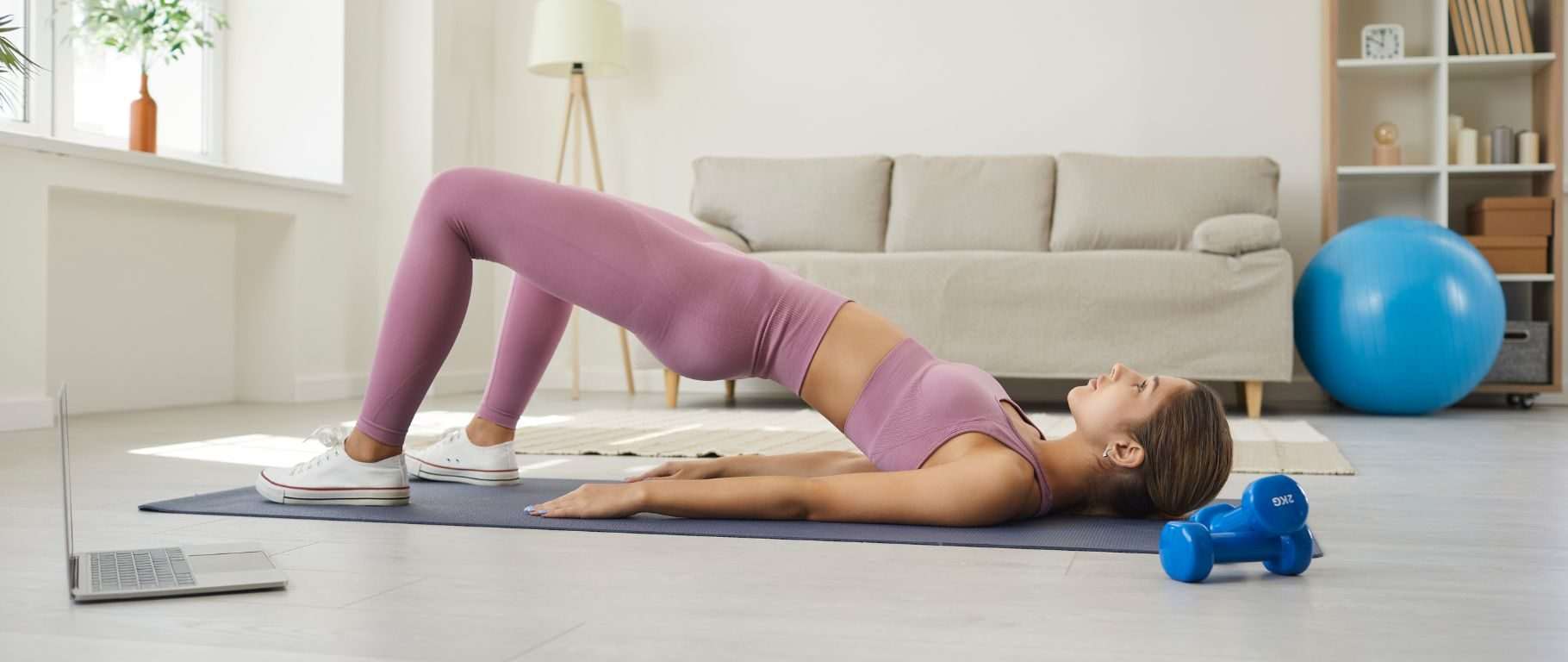
Pregnancy places immense demands on a womans body, and one of the most affected areas is the pelvic floor. As the uterus expands, hormonal changes and increased abdominal pressure can weaken pelvic support structures, making pelvic health during pregnancy a vital focus. Physiotherapy plays a key role in supporting pelvic health throughout this transformative phase, ensuring safer labor, reduced pain, and faster recovery.
Why Pelvic Health Matters in Pregnancy
The pelvic floor muscles form a supportive sling at the base of the pelvis, holding up the bladder, uterus, and rectum. During pregnancy, these muscles endure constant stress from the growing baby and hormonal changes, particularly the relaxing effect of progesterone and relaxin. Poor pelvic floor function during pregnancy can lead to issues like urinary incontinence, pelvic organ prolapse, and lower back pain. Proactive pelvic health management can reduce the severity or even prevent these conditions.
How Physiotherapy Supports Pelvic Health in Pregnancy
1. Personalized Pelvic Floor Assessments
A trained pelvic health physiotherapist can assess your baseline pelvic function using non-invasive tools. This evaluation includes checking for strength, coordination, and tension in the pelvic floor muscles. Based on the results, the physiotherapist can develop a pregnancy-safe exercise plan that strengthens weak muscles and releases overactive areas.
2. Targeted Pelvic Floor Exercises
Kegel exercises are often recommended during pregnancy, but not all women benefit from them equally. A physiotherapist helps ensure that these exercises are performed correctly. In some cases, the pelvic floor may actually be too tight, and relaxation techniques are required instead. Physiotherapy guides you to engage and release these muscles appropriately, promoting better bladder control and easier delivery.
3. Core and Postural Alignment Training
During pregnancy, changes in posture and core stability affect pelvic balance. A physiotherapist can teach postural strategies and core engagement exercises that relieve pressure on the pelvis. These movements are designed to reduce discomfort, prevent lower back pain, and enhance overall pelvic alignment, especially in the second and third trimesters.
4. Breathing Techniques for Pelvic Mobility
Breathing plays a surprisingly significant role in pelvic floor function. Physiotherapists teach diaphragmatic breathing and other techniques to coordinate breath with muscle engagement. This reduces pelvic tension and prepares the body for labor by promoting flexibility and control in the pelvic region.
5. Addressing Pelvic Girdle Pain and Sciatica
Physiotherapy is highly effective in treating pelvic girdle pain, a common discomfort in pregnancy. Manual therapy, gentle mobility exercises, and supportive taping techniques help manage pain and improve walking ability. For women experiencing sciatica or tailbone pressure, physiotherapy provides targeted relief and long-term strategies.
Benefits of Early Intervention
Starting physiotherapy early in pregnancy offers the best results. Even women who are symptom-free benefit from a preventive approach that builds muscular resilience and flexibility. Early sessions focus on education, awareness, and foundational strength. As pregnancy progresses, physiotherapy adapts to meet the changing needs of the body, ensuring consistent pelvic support.
Safe Exercise Guidance for Each Trimester
Pregnancy brings unique challenges at every stage. Physiotherapists provide trimester-specific exercises to accommodate shifts in posture, weight distribution, and balance. This ensures youre engaging the pelvic muscles safely without putting unnecessary strain on the abdomen or lower back. These exercises also promote circulation and reduce swelling in the pelvic and leg areas.
Preparing for Labor and Delivery
In the third trimester, physiotherapy sessions often shift focus toward labor preparation. The goal is to improve pelvic floor relaxation, body awareness, and pushing strategies. Learning how to release tension during labor can reduce the risk of perineal tears and improve postpartum recovery. Some physiotherapists also offer perineal massage training to increase tissue flexibility before birth.
Emotional and Mental Support
Pregnancy-related pelvic health challenges can sometimes lead to emotional stress, anxiety, or embarrassment. A physiotherapist creates a safe and supportive space to discuss sensitive symptoms and helps women feel more confident in their bodies. Education and empowerment through physiotherapy reduce fear and promote informed choices throughout pregnancy.
When to See a Pelvic Health Physiotherapist
Women should consider seeing a pelvic physiotherapist if they experience:
Urinary leakage with coughing or sneezing
Pain during intercourse
Lower abdominal heaviness
Constipation or bowel pressure
Persistent pelvic or hip pain
However, even without symptoms, physiotherapy remains a proactive investment in pregnancy wellness and smoother postpartum healing.
A Foundation for Postpartum Recovery
Managing pelvic health during pregnancy lays the groundwork for postpartum resilience. Women who attend physiotherapy regularly during pregnancy often experience fewer complications after birth, recover faster, and feel more in control of their pelvic wellness. With proper physiotherapy guidance, youre not only preparing for a healthier pregnancy but setting yourself up for long-term pelvic health success.