Childbirth is a powerful experience, but it can take a lasting toll on a womans pelvic floor health. Many new mothers face unexpected challenges such as urinary incontinence, pelvic pain, or feelings of heaviness in the pelvic region.

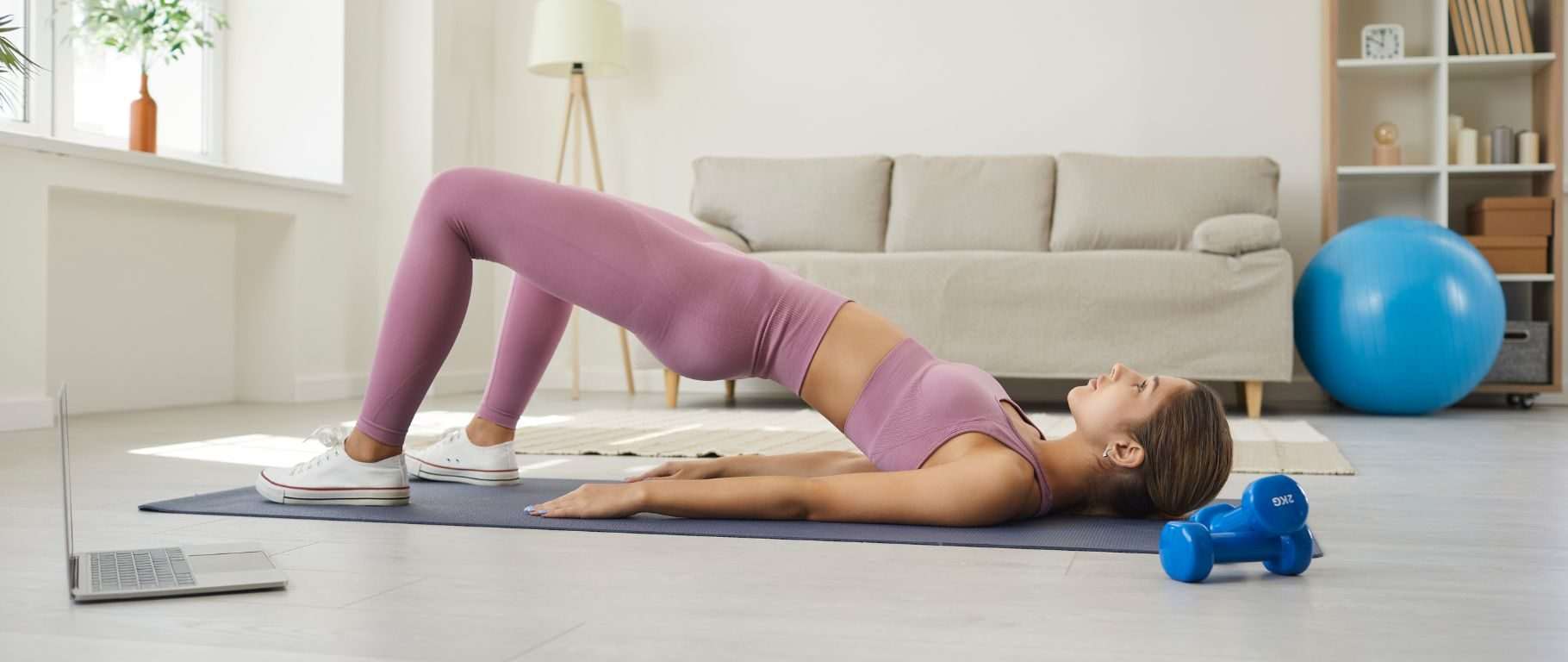
Childbirth is a powerful experience, but it can take a lasting toll on a womans pelvic floor health. Many new mothers face unexpected challenges such as urinary incontinence, pelvic pain, or feelings of heaviness in the pelvic region. These issues are common but not normaland they dont have to be permanent. With pelvic floor physiotherapy, women can restore function, rebuild strength, and regain confidence in their bodies after giving birth.
What Happens to the Pelvic Floor During Childbirth?
During vaginal delivery, the pelvic floor muscles stretch significantly to accommodate the babys passage. This process can lead to trauma, including muscle tears, nerve damage, and strain on surrounding structures. Even women who undergo cesarean sections may experience pelvic floor weakness from pregnancy pressure, pushing attempts, or postpartum inactivity.
These changes often result in:
Urinary or fecal incontinence
Pelvic organ prolapse
Pain during intercourse
Poor core activation
Chronic pelvic or lower back pain
If left untreated, these symptoms can persist for years, impacting daily life and physical activity.
Why Postpartum Pelvic Health Is Essential
Postpartum recovery goes beyond weight loss and core toning. A healthy pelvic floor supports organ function, stabilizes the spine, and allows mothers to care for their children without discomfort or dysfunction. Physiotherapy plays a critical role in identifying damage, retraining muscle control, and promoting long-term wellness.
How Physiotherapy Helps After Childbirth
A pelvic floor physiotherapist provides expert, personalized care that starts with a thorough internal and external assessment. This evaluation identifies specific areas of weakness, tightness, or lack of coordination in the pelvic region.
Treatment plans are designed around:
Pelvic floor muscle training to improve tone, endurance, and control
Manual therapy to address scar tissue, muscle imbalances, and joint stiffness
Postural retraining to correct changes from pregnancy and promote alignment
Core and breathing integration to support intra-abdominal pressure and functional movement
Education on daily habits and lifting techniques to protect healing tissues
Common Physiotherapy Techniques That Work
1. Gentle Core Activation
Postpartum, the deep abdominal musclesespecially the transverse abdominismay be weakened or separated (diastasis recti). Physiotherapists guide new moms through breathing-based core engagement techniques to safely restore strength.
2. Pelvic Floor Muscle Coordination
Rather than relying solely on Kegel exercises, therapists teach how to fully relax and contract the pelvic muscles. This balance is crucial for both bladder control and comfort.
3. Perineal Massage and Scar Mobilization
For women with perineal tears, episiotomies, or cesarean scars, manual therapy improves tissue mobility, reduces pain, and prevents adhesions.
4. Functional Movement Training
New moms often lift, squat, and carry throughout the day. Physiotherapists incorporate safe, functional movement patterns to help restore pelvic support in real-life activities.
When Should You Start Postpartum Physiotherapy?
Ideally, women can begin pelvic floor physiotherapy within six weeks of delivery, once cleared by their physician. However, even months or years later, physiotherapy remains effective. Pelvic floor issues dont always go away on their own, and addressing them early leads to faster recovery.
Signs you may benefit from physiotherapy include:
Leaking urine when coughing, sneezing, or running
A bulging sensation in the vaginal area
Pain during sex or pelvic exams
Difficulty engaging your core during exercise
Pain in the lower back, hips, or pubic region
Long-Term Benefits of Postpartum Physiotherapy
Restoring pelvic wellness after childbirth leads to:
Better bladder and bowel control
Increased core strength and postural stability
Improved sexual health and comfort
Greater ease in returning to physical activity
Reduced risk of chronic pelvic disorders later in life
Physiotherapy ensures that your recovery is guided, intentional, and completebeyond what general fitness programs offer.
Supporting the Whole Mother
Physiotherapy isnt just about rehabilitationits about empowering mothers. Understanding how your body works, why symptoms occur, and how to fix them builds confidence. A pelvic health physiotherapist partners with you to meet your goals, whether thats returning to exercise, lifting without pain, or simply feeling like yourself again.
Invest in Your Postpartum Recovery
Motherhood comes with demands, but your health doesnt have to be compromised. With physiotherapy, pelvic recovery is achievable, empowering, and often life-changing. If youre experiencing discomfort or dysfunction after childbirth, dont waitpelvic wellness is possible, and it starts with expert care and consistent support.