Pelvic floor disorders are more common than many women realize, yet they often go unspoken and untreated. These conditionsranging from urinary incontinence and pelvic organ prolapse to chronic pelvic paincan affect women of all ages and drastically reduce quality of life.

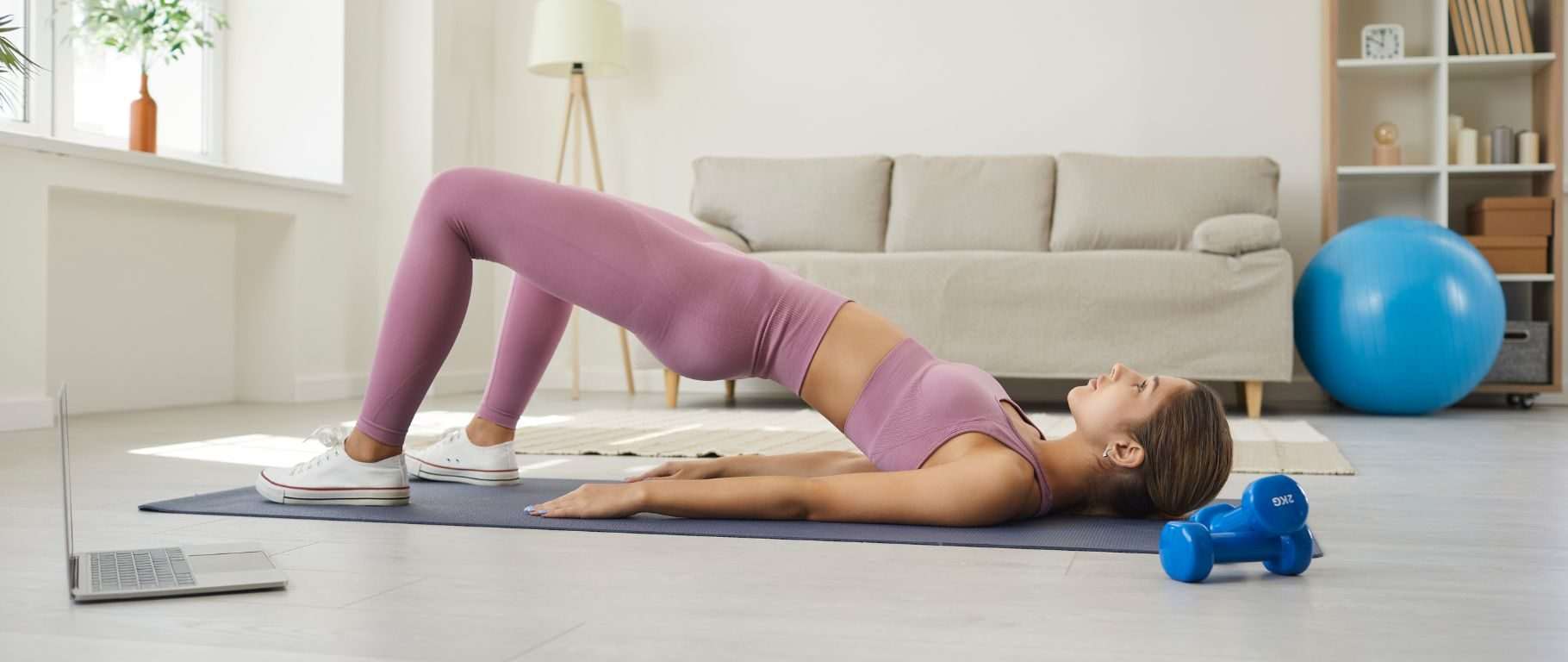
Pelvic floor disorders are more common than many women realize, yet they often go unspoken and untreated. These conditionsranging from urinary incontinence and pelvic organ prolapse to chronic pelvic paincan affect women of all ages and drastically reduce quality of life. Fortunately, pelvic floor physiotherapy provides effective, evidence-based treatment that addresses the root causes and empowers women to reclaim control over their bodies.
What Are Pelvic Floor Disorders?
Pelvic floor disorders (PFDs) occur when the muscles and connective tissues in the pelvic region become weak, tight, or poorly coordinated. This can result in functional issues that affect the bladder, bowel, uterus, and sexual health.
Common types of PFDs include:
Urinary incontinence: Involuntary leakage when sneezing, coughing, or exercising.
Pelvic organ prolapse: A sensation of heaviness or bulging due to organs descending into the vaginal canal.
Fecal incontinence: Difficulty controlling bowel movements.
Pelvic pain: Ongoing pain in the lower abdomen, hips, or perineum.
Painful intercourse: Discomfort or pain during sexual activity.
These symptoms can be physically and emotionally distressingbut they are not permanent conditions. With timely and targeted physiotherapy, most pelvic floor disorders can be effectively managed.
What Causes Pelvic Floor Disorders?
Several factors contribute to the development of PFDs:
Pregnancy and vaginal childbirth
Aging and hormonal changes during menopause
Heavy lifting or chronic coughing
Obesity or high-impact physical activity
Constipation and straining during bowel movements
Previous pelvic surgeries or trauma
Even everyday habits such as poor posture or incorrect exercise techniques can increase pelvic floor strain over time.
How Physiotherapy Helps Manage PFDs
Pelvic floor physiotherapy focuses on evaluating and treating the unique muscle patterns, postural habits, and functional limitations that contribute to pelvic dysfunction. A certified pelvic health physiotherapist conducts a thorough internal and external assessment to design a customized treatment plan.
Physiotherapy typically includes:
Targeted muscle retraining to improve pelvic strength, coordination, and endurance
Biofeedback and guided exercise to teach correct muscle activation
Manual therapy to reduce internal tension or scar tissue that may restrict movement
Postural correction to reduce intra-abdominal pressure and restore core alignment
Behavioral strategies for better bladder and bowel habits
This multidisciplinary approach allows women to address the underlying muscular imbalances and lifestyle contributors that cause their symptoms.
Managing Incontinence Through Physiotherapy
Stress and urge incontinence are among the most frequent concerns addressed by pelvic health physiotherapists. Instead of relying on pads or surgical solutions, physiotherapy teaches women how to activate and control the pelvic muscles that prevent leakage.
Treatment may involve:
Coordinated pelvic floor and core strengthening
Urge suppression techniques and bladder training
Education on fluid intake and timed voiding
Lifestyle guidance to reduce bladder irritants
These interventions restore confidence and help women stay active without fear of accidents.
Supporting Women With Pelvic Organ Prolapse
Physiotherapy offers a conservative and effective way to manage prolapse symptoms without surgery. By strengthening the pelvic floor, improving postural alignment, and addressing lifting techniques, women can significantly reduce discomfort and prevent progression.
Techniques include:
Supportive positioning during exercise and daily activities
Education on load management to avoid strain
Use of breathing and core engagement strategies to reduce pelvic pressure
Addressing Chronic Pelvic Pain and Sexual Discomfort
For women dealing with pain or tightness in the pelvic floor, physiotherapy emphasizes relaxation and release techniques. Rather than strengthening, these cases often require soft tissue work, breathing exercises, and nervous system regulation.
Benefits include:
Relief from pain with sitting or intercourse
Improved pelvic mobility
Restoration of healthy muscle tone
Greater ease in physical intimacy and daily movement
The Long-Term Impact of Physiotherapy
Women who undergo physiotherapy for pelvic floor disorders often experience:
Better control of bladder and bowel function
Reduced need for medication or surgical intervention
Improved physical performance and core stability
Enhanced sexual health and confidence
Prevention of worsening pelvic symptoms over time
This kind of proactive care helps women regain function and independence, leading to improved quality of life.
Empowerment Through Pelvic Health Education
Physiotherapy doesnt just treat symptomsit teaches women how to understand and care for their pelvic floor in everyday life. This knowledge allows for ongoing self-management, reduces recurrence, and helps women make informed decisions about their health.
Take Charge of Your Pelvic Health
Pelvic floor disorders may be common, but they are not inevitableand they are not untreatable. With the support of an experienced pelvic floor physiotherapist, you can rebuild strength, manage symptoms, and return to living fully. Physiotherapy is a key step in reclaiming your pelvic health and overall well-being.