Pelvic health is a critical yet often overlooked aspect of womens overall well-being. The pelvic floor muscles play a vital role in supporting key organs, including the bladder, uterus, and rectum.

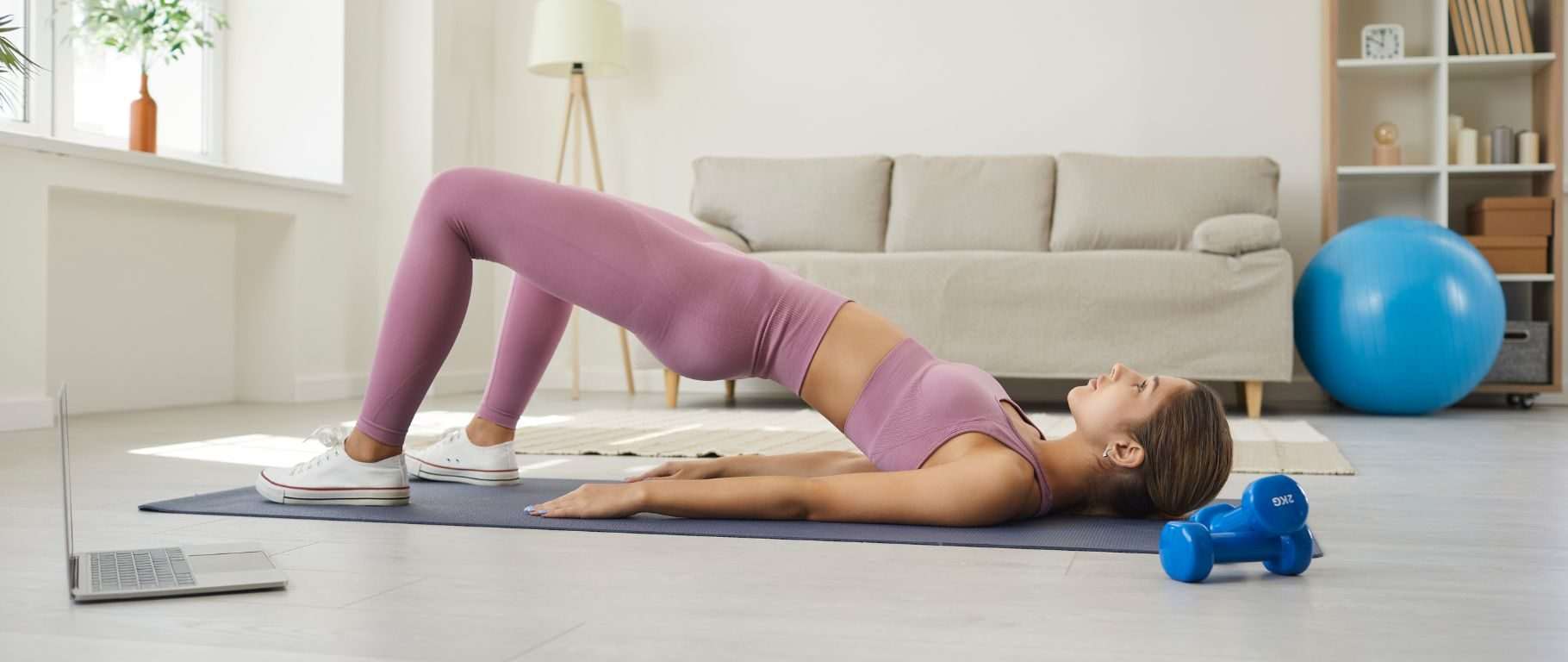
Pelvic health is a critical yet often overlooked aspect of womens overall well-being. The pelvic floor muscles play a vital role in supporting key organs, including the bladder, uterus, and rectum. Despite their importance, many women are unaware of the need for targeted pelvic health exercises. Strengthening these muscles is essential not only for preventing pelvic floor dysfunction but also for improving quality of life across various stages of a womans life.
Understanding the Pelvic Floor
The pelvic floor is a group of muscles and connective tissues that form a hammock-like structure at the base of the pelvis. This muscular network supports pelvic organs and controls functions such as urination, bowel movements, and sexual activity. A strong pelvic floor provides stability and helps maintain continence, while a weak or damaged pelvic floor can lead to issues like urinary incontinence, pelvic organ prolapse, and chronic pelvic pain.
Why Are Pelvic Health Exercises Important?
Pelvic health exercises, often referred to as pelvic floor exercises or Kegel exercises, are designed to strengthen and tone the pelvic floor muscles. These exercises offer numerous benefits that impact womens physical and emotional health:
Prevention of Urinary Incontinence
Weak pelvic floor muscles are a leading cause of urinary leakage, especially during activities such as coughing, sneezing, or exercising. Regular pelvic floor exercises help prevent stress urinary incontinence by improving muscle tone and control.
Support During Pregnancy and Postpartum Recovery
Pregnancy places extra pressure on the pelvic floor due to the growing uterus and hormonal changes. Strengthening these muscles before, during, and after pregnancy can reduce the risk of pelvic floor weakness and improve recovery after childbirth.
Enhancement of Sexual Health
A strong pelvic floor enhances sexual sensation and response. Exercises that target these muscles can increase blood flow and muscle tone, contributing to better sexual satisfaction and reduced discomfort.
Reduction of Pelvic Organ Prolapse Risk
Pelvic organ prolapse occurs when pelvic organs descend due to weakened supporting muscles. Regular pelvic floor training helps maintain the position of these organs and reduces the risk of prolapse.
Improved Core Stability and Posture
The pelvic floor works in conjunction with the abdominal and back muscles to support core stability. Strengthening these muscles contributes to better posture and reduced lower back pain.
How to Practice Pelvic Health Exercises
Pelvic floor exercises can be done discreetly and without special equipment, making them accessible for every woman. To perform them correctly, follow these steps:
Identify the pelvic floor muscles by attempting to stop urine flow midstream (only as a test, not as a regular practice).
Tighten these muscles by lifting and squeezing them as if holding in urine or gas.
Hold the contraction for 5 to 10 seconds, then relax completely for the same duration.
Repeat the cycle 10 to 15 times per session, performing 3 sessions daily.
Consistency is key to seeing improvements. Over time, gradually increase the hold duration and repetitions as strength improves.
Incorporating Pelvic Health into Daily Life
Pelvic health exercises should become a routine part of womens daily self-care. They can be done while sitting at a desk, driving, or even watching television. Moreover, incorporating these exercises into physiotherapy programs can provide guidance and ensure proper technique, enhancing their effectiveness.
When to Seek Professional Help
While pelvic floor exercises are beneficial for all women, some may experience symptoms that require professional evaluation. Signs such as persistent urinary leakage, pelvic pain, or a sensation of heaviness in the pelvic region warrant a consultation with a pelvic health physiotherapist.
Professional physiotherapists can tailor exercise programs to individual needs, address underlying dysfunctions, and provide advanced treatment options when necessary.
Conclusion
Pelvic health exercises are essential for every woman, providing a foundation for bladder control, sexual health, childbirth recovery, and overall pelvic stability. Prioritizing these exercises helps prevent common pelvic floor issues and promotes long-term wellness. For women in Canada seeking expert guidance, physiotherapy for pelvic health offers personalized support to maintain and improve pelvic muscle function. Embracing pelvic health exercises is a vital step toward a healthier, more confident life.