Pelvic health concerns are common among women and can affect daily life, causing discomfort, embarrassment, and functional limitations. Fortunately, physiotherapy offers a safe and effective pathway to address these concerns through specialized care tailored to individual needs.

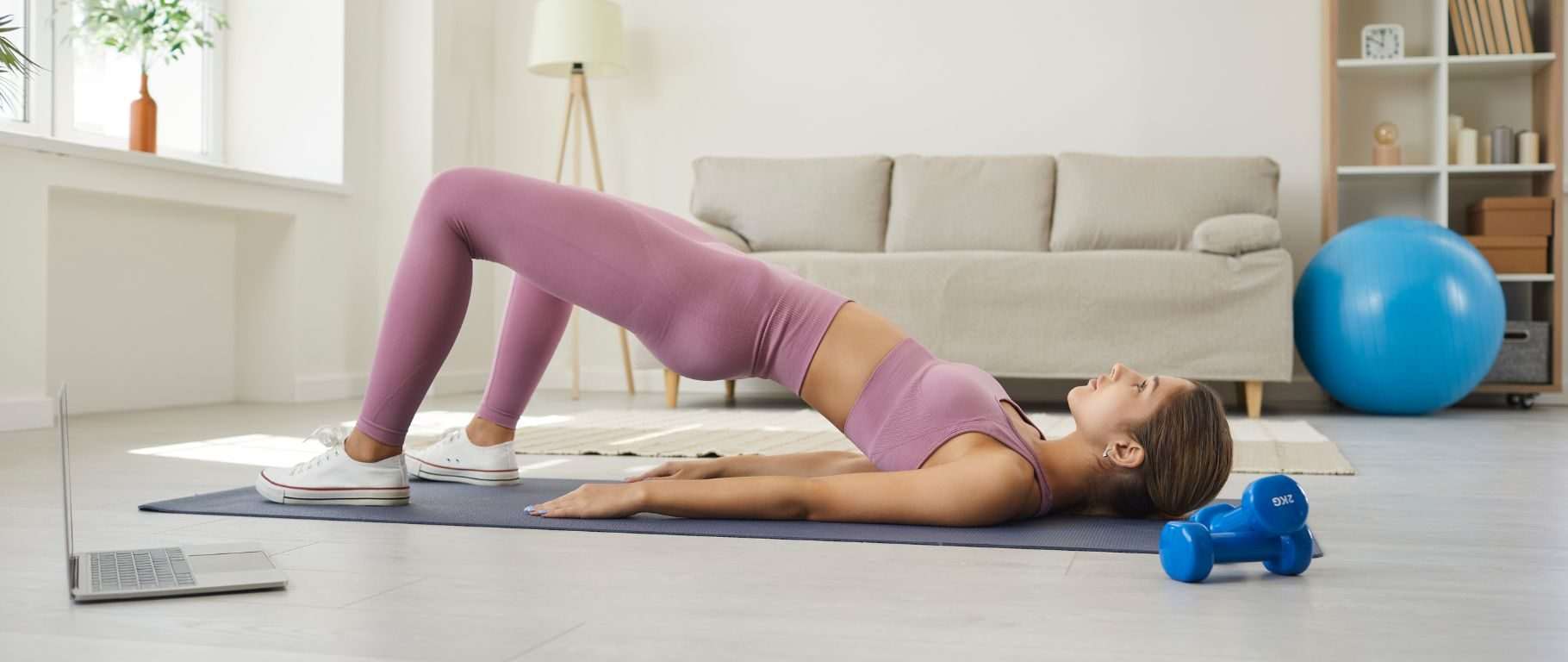
Pelvic health concerns are common among women and can affect daily life, causing discomfort, embarrassment, and functional limitations. Fortunately, physiotherapy offers a safe and effective pathway to address these concerns through specialized care tailored to individual needs. This blog explores how physiotherapy can help women manage and resolve pelvic health issues, improving their well-being and quality of life.
Common Pelvic Health Concerns
Women may face a variety of pelvic health challenges, including:
Urinary incontinence or urgency
Pelvic organ prolapse
Pelvic pain and discomfort
Bowel dysfunction such as constipation or fecal incontinence
Sexual dysfunction or pain during intercourse
Postpartum pelvic floor weakness or trauma
These conditions often stem from muscle weakness, injury, nerve damage, or lifestyle factors affecting pelvic floor function.
Physiotherapy: A Holistic Approach to Pelvic Health
Physiotherapy for pelvic health involves a comprehensive approach that includes assessment, treatment, education, and empowerment:
Detailed Assessment
A pelvic health physiotherapist evaluates muscle strength, coordination, posture, and movement patterns. They also consider medical history, symptoms, and lifestyle factors to create a complete picture.
Personalized Treatment Plans
Based on assessment findings, therapists design customized exercise programs targeting pelvic floor muscles. These plans often include strengthening, relaxation, and coordination exercises.
Manual Therapy Techniques
Hands-on treatments help release muscle tension, improve tissue mobility, and alleviate pain.
Biofeedback and Electrical Stimulation
These technologies assist in muscle re-education and improve patient awareness of pelvic floor function.
Lifestyle and Behavioral Counseling
Guidance on bladder and bowel habits, diet, hydration, posture, and ergonomics reduces strain on the pelvic floor and supports recovery.
Postpartum Care
Physiotherapy supports women recovering from childbirth by addressing muscle weakness, scar tissue, and pelvic instability.
Benefits of Physiotherapy for Pelvic Health
Improved muscle strength and control
Reduction of incontinence and pelvic pain
Enhanced sexual function and comfort
Prevention or management of pelvic organ prolapse
Increased confidence and independence in managing symptoms
When to Seek Physiotherapy for Pelvic Health Concerns
Early consultation with a pelvic health physiotherapist is advised when experiencing:
Leakage of urine or stool
Pelvic pressure or bulging sensations
Pain during intercourse or pelvic discomfort
Difficulty with bowel movements
Postpartum pelvic floor issues
Timely physiotherapy can prevent symptoms from worsening and often eliminates the need for invasive treatments.
Conclusion
Addressing pelvic health concerns through physiotherapy offers women a non-invasive, effective, and personalized pathway to recovery and wellness. With expert assessment, tailored exercises, manual therapy, and lifestyle advice, physiotherapists empower women to restore pelvic function and improve quality of life. For women in Canada, accessing specialized pelvic health physiotherapy means taking control of their health with trusted professional support.