Pelvic floor dysfunction (PFD) is a common but often misunderstood condition affecting many women across various life stages. It can manifest as urinary incontinence, pelvic pain, organ prolapse, or difficulties with bowel movements.

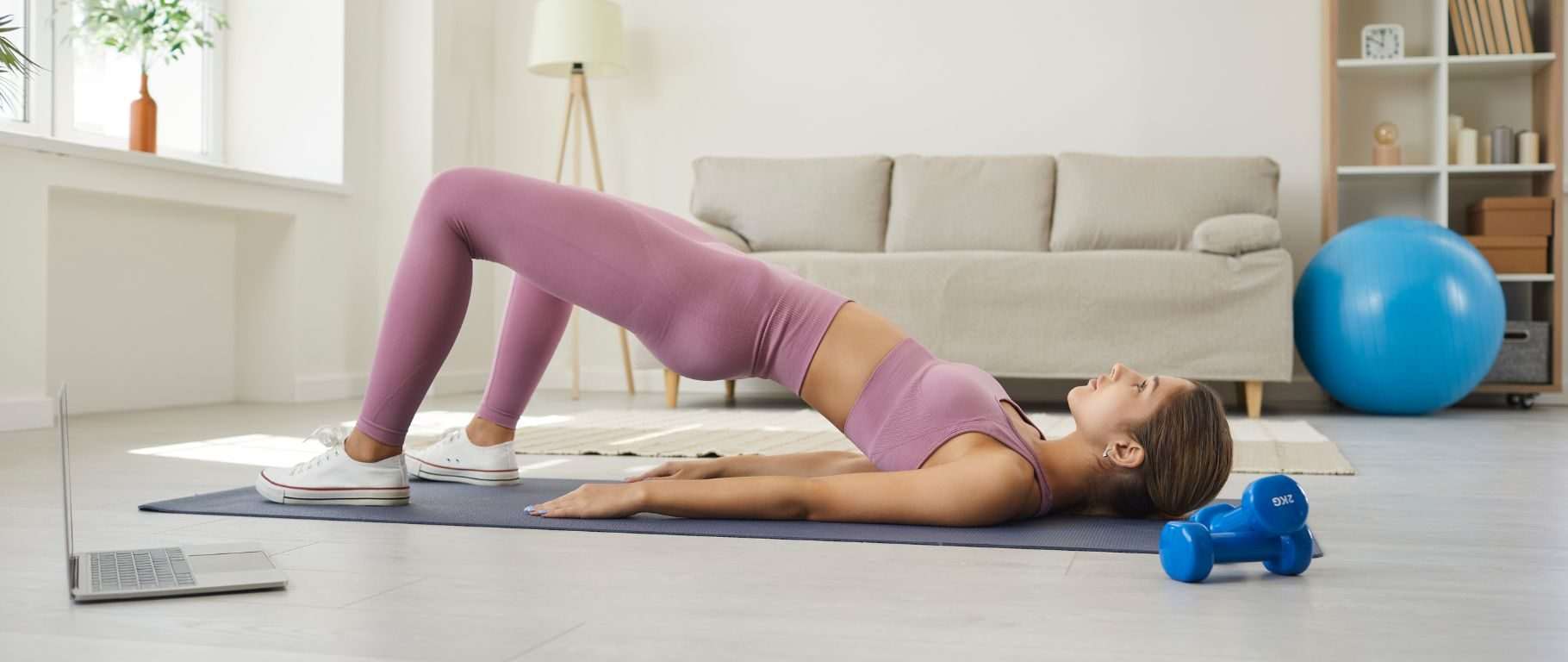
Pelvic floor dysfunction (PFD) is a common but often misunderstood condition affecting many women across various life stages. It can manifest as urinary incontinence, pelvic pain, organ prolapse, or difficulties with bowel movements. At YourFormSux (YFS) in Canada, we specialize in pelvic health physiotherapy, a proven, non-invasive approach that helps women effectively manage and relieve pelvic floor dysfunction.
What is Pelvic Floor Dysfunction?
Pelvic floor dysfunction occurs when the muscles of the pelvic floor are weak, tight, or uncoordinated, causing a range of uncomfortable and sometimes debilitating symptoms. The pelvic floor muscles play a crucial role in supporting pelvic organs, controlling continence, and enabling sexual function. When these muscles are not working properly, women may experience:
Leakage of urine or stool (incontinence)
Pelvic pressure or heaviness
Pain during intercourse or daily activities
Difficulty emptying the bladder or bowels
Pelvic organ prolapse (a sensation of bulging or organ descent)
Causes and Risk Factors
Pelvic floor dysfunction can be triggered by multiple factors, including:
Pregnancy and childbirth trauma
Menopause-related hormonal changes
Chronic constipation or heavy lifting
Surgery or injury to the pelvic region
Obesity and poor posture
Aging and muscle weakening
Recognizing and addressing pelvic floor dysfunction early is key to preventing symptom progression and improving quality of life.
How Physiotherapy Helps Manage Pelvic Floor Dysfunction
Physiotherapy is widely recognized as a first-line treatment for pelvic floor dysfunction. Pelvic health physiotherapists at YFS assess muscle strength, coordination, and function to develop customized treatment plans that may include:
Pelvic floor muscle training: Exercises to strengthen weak muscles or relax overly tight muscles.
Biofeedback: A technique that uses sensors to provide real-time feedback on muscle activity, helping patients learn proper muscle control.
Manual therapy: Hands-on techniques to release muscle tension and improve tissue mobility.
Education: Guidance on lifestyle changes, bladder and bowel habits, posture, and ergonomics to support pelvic health.
Breathing and core strengthening exercises: Improving coordination between the pelvic floor and core muscles.
These treatments work together to restore muscle balance, reduce symptoms, and improve pelvic function.
Benefits of Physiotherapy for Pelvic Floor Dysfunction
Non-invasive and drug-free: Avoids surgical risks and side effects associated with medication.
Personalized care: Tailored to individual symptoms, lifestyle, and goals.
Effective symptom relief: Improves continence, reduces pain, and enhances pelvic support.
Improved quality of life: Helps women regain confidence and return to daily activities without discomfort.
When to Seek Physiotherapy for Pelvic Floor Dysfunction
If you experience any symptoms of pelvic floor dysfunction, consulting a pelvic health physiotherapist is crucial. Early intervention can significantly improve outcomes and prevent long-term complications.
Conclusion
Pelvic floor dysfunction can affect physical comfort and emotional well-being, but effective relief is available through physiotherapy. YourFormSux (YFS) in Canada offers expert pelvic health physiotherapy services designed to address your unique needs and help you reclaim control over your pelvic health. Taking the step to seek help empowers you to live a fuller, more comfortable life.