Pregnancy and childbirth are remarkable experiences that bring immense physical and emotional change. While the body undergoes incredible transformations during this time, one area that often requires focused recovery is the pelvic floor.

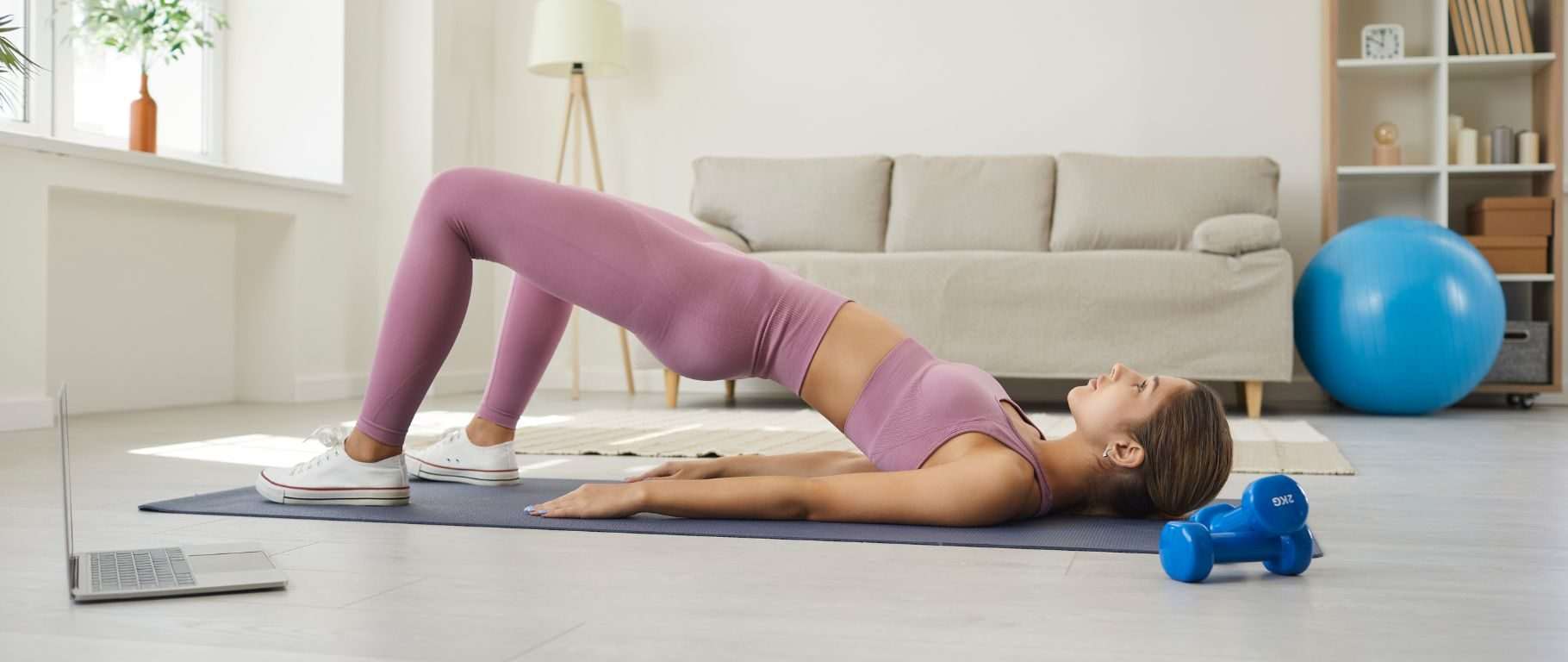
Pregnancy and childbirth are remarkable experiences that bring immense physical and emotional change. While the body undergoes incredible transformations during this time, one area that often requires focused recovery is the pelvic floor. Many women experience weakened or overstretched pelvic muscles after giving birth, which can lead to issues like urinary incontinence, pelvic pain, or a feeling of pressure or heaviness. Fortunately, pelvic health physiotherapy offers targeted, effective solutions to help women restore pelvic strength, function, and confidence after pregnancy.
The Impact of Pregnancy and Childbirth on Pelvic Health
During pregnancy, hormonal changes and the growing weight of the baby place increased stress on the pelvic floor. These muscles, responsible for supporting the bladder, uterus, and bowel, are pushed to their limits. Vaginal delivery can further stretch and sometimes tear these muscles, nerves, or surrounding connective tissue.
Common post-pregnancy pelvic health concerns include:
Urinary incontinence (leaking when sneezing, laughing, or lifting)
Pelvic organ prolapse (a feeling of something “falling” in the vaginal area)
Painful intercourse
Lower back or hip pain
Difficulty with bowel movements
These conditions are not uncommon, but they are not something new mothers should accept as permanent. Timely physiotherapy intervention can prevent symptoms from worsening and restore function.
Why Postpartum Pelvic Physiotherapy Matters
Pelvic physiotherapy is a safe and evidence-based approach to healing after pregnancy. Unlike general workouts, physiotherapy programs are tailored to a womans individual postpartum condition and recovery timeline. Whether its a vaginal or cesarean delivery, every new mother benefits from assessing pelvic floor function and rebuilding foundational strength.
The goals of postpartum pelvic physiotherapy include:
Rebuilding strength in weakened muscles
Addressing scar tissue and mobility restrictions
Correcting posture and core imbalances
Restoring bladder and bowel control
Reducing pain during movement or intimacy
Women who receive pelvic floor therapy after childbirth often recover faster and are better prepared to return to daily activities or fitness routines without discomfort.
Getting Started: When and How
Women can begin pelvic physiotherapy as early as 6 weeks postpartum, with clearance from their healthcare provider. However, theres no strict timelinesome women benefit from therapy months or even years after giving birth.
The first session typically involves a thorough assessment by a pelvic health physiotherapist, which may include:
A detailed review of birth history and symptoms
Pelvic floor muscle testing (internal or external depending on comfort)
Core and posture evaluation
Education on safe movement, breathing, and lifting techniques
Based on the assessment, a personalized recovery plan is developed.
Key Physiotherapy Techniques for Postpartum Recovery
A comprehensive approach may include the following:
Pelvic floor reactivation: Gentle exercises like Kegels to reconnect with and strengthen deep pelvic muscles.
Core retraining: Safe activation of abdominal muscles, especially if diastasis recti (abdominal separation) is present.
Manual therapy: Hands-on techniques to address scar tissue, release tension, and improve mobility.
Breathwork and posture: Breathing patterns that support core stability and promote healing from within.
Movement education: Guidance on lifting, feeding, and daily tasks without straining the pelvic floor.
Each element is designed to help women reconnect with their bodies and regain confidence in movement.
Managing Common Postpartum Issues
Urinary leaks or urgency: Strengthening and coordinating the pelvic floor muscles improves bladder control.
Pelvic heaviness or bulging: Techniques that reduce intra-abdominal pressure, alongside strengthening, help manage early signs of prolapse.
Pain during intimacy: Soft tissue mobilization, pelvic muscle relaxation, and desensitization techniques reduce discomfort and restore comfort.
Post-cesarean concerns: Even without a vaginal birth, pelvic floor muscles can weaken. Scar massage and core retraining help improve tissue mobility and support recovery.
The Emotional Side of Recovery
Beyond physical symptoms, postpartum recovery often comes with emotional and mental stress. Women may feel frustrated by the changes in their bodies or anxious about returning to physical activity. Pelvic physiotherapy provides a supportive space where these concerns are validated and addressed through education and reassurance.
Having access to professional care through clinics like YourFormSux in Canada ensures women are never alone in their recovery. With a team that specializes in postnatal pelvic health, mothers receive expert guidance tailored to their stage of healing.
Making Recovery Part of Your Lifestyle
Incorporating pelvic floor exercises and strategies into daily routines is essential for sustained progress. Physiotherapists teach women how to build strength through everyday actionsfrom lifting their baby to pushing a stroller. With consistency and professional support, long-term pelvic health is achievable.
Reclaiming Strength and Confidence
Postpartum physiotherapy is not just about recoveryits about empowerment. By addressing the root causes of pelvic floor dysfunction, women can enjoy renewed confidence, reduced pain, and the freedom to fully engage in life again. Whether you’re weeks or years postpartum, its never too late to start.