Pelvic floor health plays a foundational role in a womans physical well-being, yet it is often overlooked until problems arise. From urinary continence to core stability and sexual function, the pelvic floor impacts many aspects of daily life.

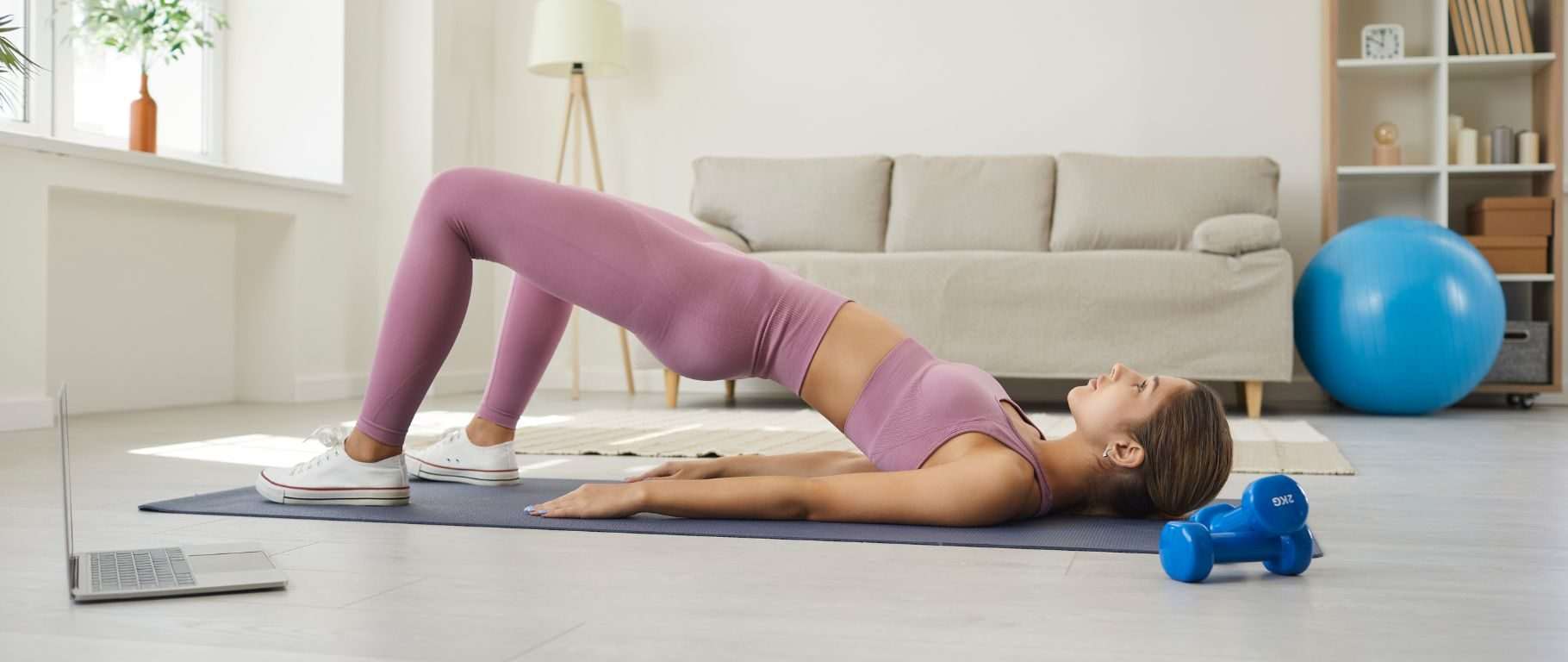
Pelvic floor health plays a foundational role in a womans physical well-being, yet it is often overlooked until problems arise. From urinary continence to core stability and sexual function, the pelvic floor impacts many aspects of daily life. When these muscles are weak, tight, or uncoordinated, symptoms like incontinence, pelvic pain, and pelvic organ prolapse can develop. Fortunately, physiotherapy offers a proven, non-invasive solution to restore healthy pelvic floor function at any stage of life.
What Is Pelvic Floor Dysfunction?
Pelvic floor dysfunction occurs when the muscles of the pelvic floor are unable to contract or relax effectively. This can manifest as difficulty with bladder or bowel control, pain during intercourse, lower back pain, or a heavy feeling in the pelvis. Dysfunction may result from pregnancy, childbirth, menopause, surgery, chronic straining, or even poor posture and breathing mechanics.
Unlike other muscles in the body, the pelvic floor cannot be visually assessed by the individual, which makes professional evaluation essential. This is where pelvic health physiotherapy becomes critical.
The Role of Physiotherapy in Pelvic Health
Pelvic health physiotherapy is a specialized area that focuses on assessing, treating, and rehabilitating the pelvic floor. A physiotherapist trained in this field can evaluate muscle tone, coordination, strength, and flexibility, using both external and internal techniques where appropriate.
Treatment plans are tailored to each individual, based on her symptoms, lifestyle, and goals. Physiotherapists also help clients understand the connection between breathing patterns, core stability, and pelvic floor function. These insights go beyond symptom relief, aiming to restore optimal movement and function throughout the body.
Key Benefits of Pelvic Floor Physiotherapy
Improved Bladder and Bowel Control: Physiotherapy strengthens pelvic muscles to prevent urinary and fecal leakage, reducing the need for medication or surgical intervention.
Reduced Pelvic Pain: Many women suffer from undiagnosed pelvic pain caused by overactive pelvic floor muscles. Physiotherapists use techniques such as manual therapy and relaxation training to relieve tension and restore comfort.
Postpartum Recovery: After childbirth, the pelvic floor muscles may be stretched or weakened. Physiotherapy helps rebuild strength, manage prolapse, and prevent long-term issues.
Support During Menopause: Hormonal changes during menopause can cause pelvic muscles to weaken. Physiotherapy reinforces muscular support and minimizes the impact of reduced estrogen levels.
Better Sexual Function: A healthy pelvic floor can enhance arousal, reduce pain during intercourse, and improve sexual confidence.
Enhanced Core Stability and Posture: Pelvic floor physiotherapy is closely tied to core rehabilitation, helping women maintain alignment and reduce back or hip pain.
What to Expect in a Pelvic Floor Physiotherapy Session
An initial physiotherapy session typically includes a detailed medical history and a physical assessment. This may involve an internal exam to assess the strength, coordination, and endurance of the pelvic floor muscles, although it is always done with informed consent and patient comfort in mind.
Based on findings, the physiotherapist creates a personalized treatment plan. This may include:
Guided pelvic floor muscle training (not just generic Kegels)
Biofeedback techniques to improve muscle awareness
Manual therapy to release tight tissues
Breathing and posture correction
Education on bladder and bowel habits
Core strengthening exercises
Progress is monitored and adjustments are made to ensure effective, long-term results.
The Importance of Correct Technique
Many women attempt Kegels or pelvic floor exercises without proper instruction, often leading to incorrect activation or overuse of surrounding muscles. A physiotherapist teaches you how to engage the correct muscles gently and efficiently, avoiding compensation patterns that can do more harm than good.
Some women may also have a hypertonic (overactive) pelvic floor that requires relaxation, not strengthening. Physiotherapy helps distinguish between these scenarios and ensures an appropriate course of action.
When to Seek Pelvic Health Physiotherapy
You should consider pelvic floor physiotherapy if you are experiencing:
Leaking urine when sneezing, coughing, or exercising
A sensation of heaviness or bulging in the vaginal area
Pain during intercourse or pelvic exams
Difficulty emptying the bladder or bowels
Pelvic or lower back pain that worsens with standing or lifting
Weakness in the abdominal or core muscles
You do not need to wait for severe symptoms. Many women benefit from preventative physiotherapy during key life stages such as pregnancy, postpartum recovery, and menopause.
Supporting Long-Term Pelvic Health
The benefits of pelvic floor physiotherapy extend beyond the therapy room. Women who understand how to maintain pelvic floor function are empowered to take control of their health for the long term. Physiotherapy provides not only symptom relief but also education, awareness, and functional improvement that supports lifelong wellness.
Integrating pelvic floor care into your health routine promotes better movement, greater confidence, and a higher quality of life. Whether you’re addressing a current issue or looking to prevent future dysfunction, pelvic health physiotherapy offers essential support for every woman.