Childbirth is a transformative experience, both emotionally and physically. While new mothers often focus on recovery from labor and adjusting to life with a newborn, pelvic health is a critical but frequently overlooked part of postpartum care.

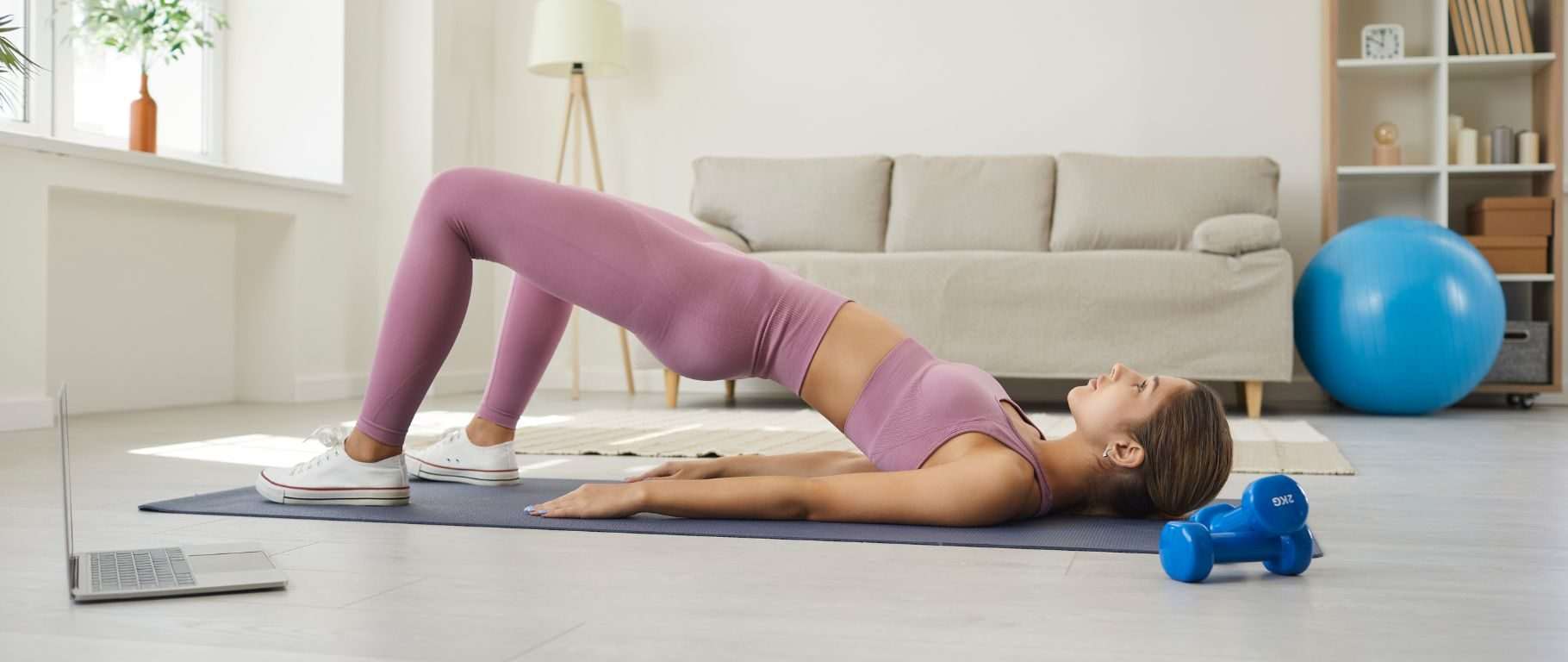
Childbirth is a transformative experience, both emotionally and physically. While new mothers often focus on recovery from labor and adjusting to life with a newborn, pelvic health is a critical but frequently overlooked part of postpartum care. The physical stress of pregnancy and delivery can weaken or damage the pelvic floor, leading to complications such as urinary incontinence, pelvic pain, and organ prolapse. Managing pelvic health after childbirth is essential for long-term well-being, and physiotherapy plays a central role in effective recovery.
How Childbirth Affects the Pelvic Floor
During pregnancy, the growing uterus places increased pressure on the pelvic floor muscles, which support the bladder, uterus, and bowel. Hormonal changes also cause tissues to relax in preparation for birth. Vaginal deliveries, especially those involving forceps, episiotomies, or prolonged labor, can further stretch or tear these muscles.
The result may be a weakened pelvic floor, poor coordination, or even nerve damage. Symptoms might not appear immediately, but over time can include:
Leaking urine when coughing, laughing, or lifting
A feeling of heaviness in the pelvic area
Pelvic or lower back pain
Pain during intercourse
Constipation or difficulty with bowel movements
These issues are common but not normaland they can be managed or prevented with the right care.
The Role of Physiotherapy in Postpartum Recovery
Postpartum physiotherapy helps women regain control, strength, and awareness of their pelvic floor muscles. A pelvic health physiotherapist can assess how well the muscles are functioning and create a personalized treatment plan that addresses healing and symptom management.
Early intervention often leads to better outcomes, though its never too late to begin. Whether you are six weeks or six years postpartum, physiotherapy can still support your pelvic health recovery.
Tips to Support Pelvic Health After Delivery
Begin with Gentle Activation
In the early weeks after childbirth, avoid high-impact activity or intense exercises. Focus on gentle pelvic floor muscle contractions to encourage blood flow and initiate healing. These small movements help reconnect the brain to the pelvic floor muscles, restoring awareness and control.
Breathing and Core Engagement
Many women hold their breath during effort or while lifting their baby. This increases intra-abdominal pressure and can strain healing tissues. Learn to breathe correctly using your diaphragm and engage your deep core (including the pelvic floor) during daily activities.
Avoid Constipation and Straining
Straining during bowel movements puts unnecessary pressure on the recovering pelvic floor. Stay hydrated, eat high-fiber foods, and use proper toileting posture. Physiotherapists often teach techniques like perineal support or bowel massage to reduce strain.
Don’t Rely on Kegels Alone
Not all pelvic floor problems require strengthening. In some cases, the muscles may be too tight or overactive. A physiotherapist helps determine whether you need strengthening, relaxation, or coordination trainingand ensures youre performing exercises correctly.
Prioritize Posture and Body Mechanics
The way you carry your baby, breastfeed, and move through daily tasks can impact pelvic recovery. Poor posture may increase pelvic pressure and slow healing. Physiotherapists provide guidance on body alignment and lifting techniques that protect your pelvic and spinal health.
Listen to Your Body
Postpartum recovery isnt a race. Pushing through symptoms like leakage or pelvic heaviness may worsen them. Allow time for healing, and seek help if symptoms persist or interfere with your quality of life.
Signs You Should See a Pelvic Health Physiotherapist
Even if your symptoms seem mild, professional evaluation can prevent long-term complications. Consider physiotherapy if you experience:
Urinary or fecal incontinence
Pelvic pain or pressure
Difficulty emptying the bladder or bowels
Pain with intercourse
Sensation of bulging in the vaginal area
Delayed healing from tears or incisions
A trained pelvic health physiotherapist offers targeted treatment that addresses your unique needs, helping you recover safely and confidently.
Long-Term Benefits of Postpartum Pelvic Care
Investing in postpartum pelvic health pays long-term dividends. It supports core strength, helps you return to physical activity without pain, improves sexual function, and reduces the risk of prolapse later in life. Women who address their pelvic floor early tend to experience fewer complications during future pregnancies or menopause.
Moreover, taking control of your recovery reinforces the importance of self-carea valuable message not just for your health but also for your role as a mother.
Reclaiming Your Pelvic Health
The postpartum period is a time of immense change, but it doesnt have to include physical discomfort or embarrassment. Managing pelvic health after childbirth is entirely possible with the right guidance and support. Physiotherapy offers a practical, evidence-based approach that empowers you to take back control of your body.
Whether you’re newly postpartum or navigating pelvic challenges months or years later, it’s never too late to begin healing. Reclaiming your pelvic health is an investment in your strength, your confidence, and your future.