Tennis elbow also known medically as lateral epicondylitis is one of the most common overuse injuries affecting not only athletes but also anyone who frequently uses their arms for repetitive motions. Whether youre…

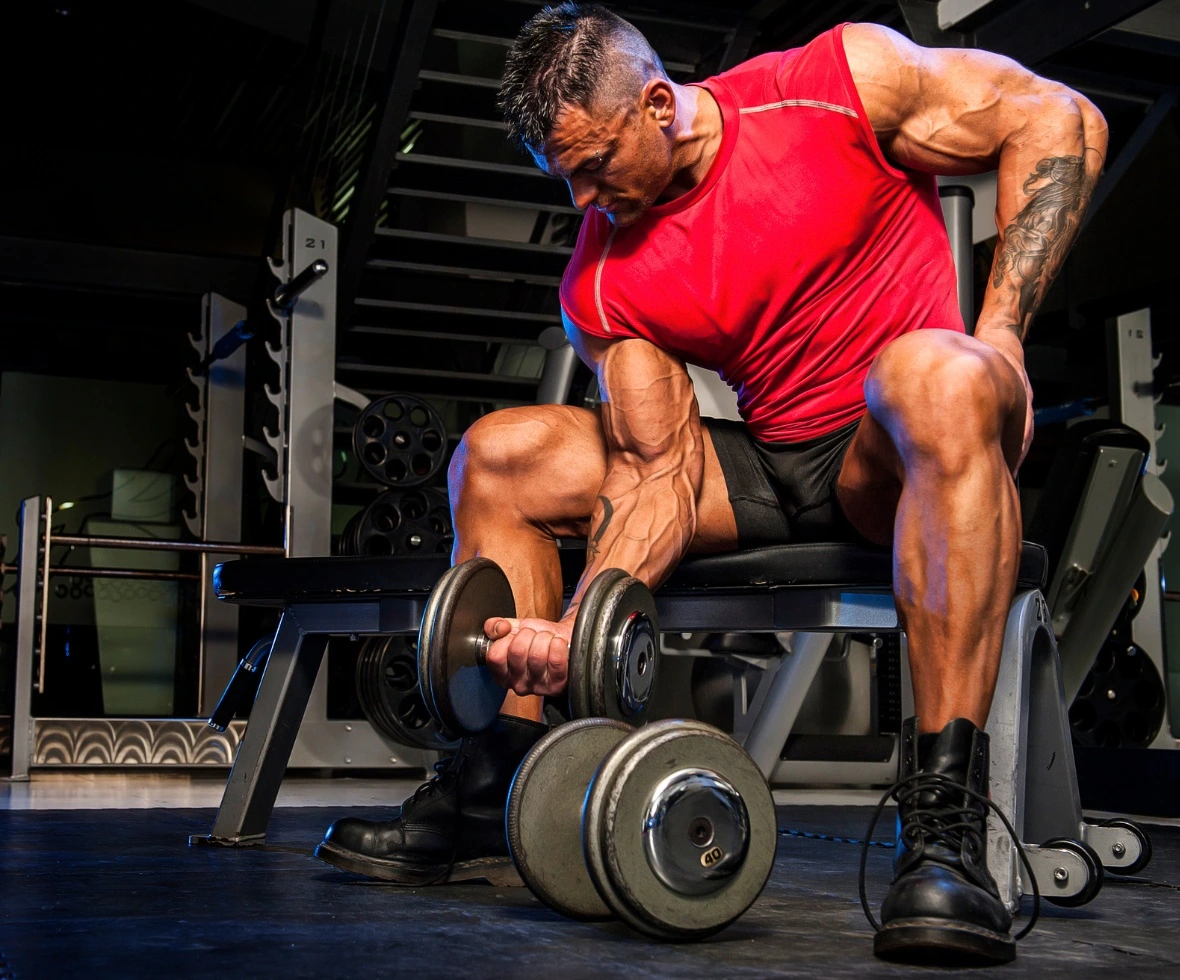
Tennis elbow also known medically as lateral epicondylitis is one of the most common overuse injuries affecting not only athletes but also anyone who frequently uses their arms for repetitive motions. Whether youre an office worker, tradesperson, gardener, or athlete, the pain and discomfort of tennis elbow can seriously impact your day-to-day life. Fortunately, physiotherapy is one of the most effective and non-invasive ways to manage tennis elbow and accelerate your recovery.
At YourFormSux (YFS), we specialize in custom physiotherapy treatments for tennis elbow in Canada, focusing on fast, sustainable recovery tailored to your unique needs. Lets explore what tennis elbow really is, why it happens, and how physiotherapy can help you recover faster and prevent future flare-ups.
What is Tennis Elbow?
Tennis elbow is a painful condition caused by inflammation or microtearing of the tendons that join the forearm muscles on the outside of the elbow. Despite its name, you dont have to play tennis to develop it. Any activity that involves repetitive arm and wrist motion typing, lifting, gripping tools, or even frequent smartphone use can lead to this condition.
Common symptoms include:
A dull ache or sharp pain on the outside of the elbow
Weak grip strength
Discomfort that worsens with wrist or forearm movement
Pain that may radiate down the forearm
If left untreated, tennis elbow can become a chronic condition that interferes with work, hobbies, and daily activities.
Why Physiotherapy Is the Go-To Treatment for Tennis Elbow
When it comes to non-surgical treatment for tennis elbow, physiotherapy consistently delivers excellent outcomes. Thats because it doesnt just mask the pain it addresses the root cause of the injury: repetitive strain and muscle imbalance.
Heres how physiotherapy supports faster recovery from tennis elbow:
1. Precise Diagnosis and Tailored Recovery Plan
At YFS, we begin with a comprehensive assessment to identify the severity of your condition and contributing factors like posture, technique, or muscle imbalance. Based on this, we design a personalized treatment plan with targeted exercises for tennis elbow, ensuring a precise path toward healing.
2. Pain Relief Techniques
Manual therapy, including soft tissue mobilization and joint manipulation, can reduce pain and improve mobility in the elbow and forearm. These hands-on techniques, combined with modalities like ultrasound therapy, laser therapy, or TENS (transcutaneous electrical nerve stimulation), help accelerate tissue repair and reduce inflammation.
3. Therapeutic Exercises to Strengthen and Stabilize
The core of any physiotherapy treatment plan is exercise. For tennis elbow, this includes:
Eccentric strengthening exercises: These build tendon resilience and prevent re-injury.
Wrist and forearm strengthening: A stronger support system for the elbow.
Stretching routines: Targeted stretches reduce muscle tension and enhance flexibility.
Our YFS physiotherapists teach you how to do these exercises correctly to get the most benefit safely and effectively.
4. Postural and Ergonomic Correction
Poor posture and repetitive strain are key triggers for tennis elbow. Our team works with you to correct workstation ergonomics and teach you proper body mechanics that help avoid future injury whether youre typing all day or swinging a racquet.
5. Gradual Return to Activity
One of the biggest risks during recovery is returning to your regular activities too soon. At YourFormSux, we guide your safe return to work, sports, and hobbies, ensuring your elbow is fully rehabilitated and your risk of re-injury is minimized.
How Long Does Recovery Take with Physiotherapy?
Recovery timelines for tennis elbow can vary depending on the severity and how soon you seek treatment. Most patients see noticeable improvement within 6 to 12 weeks with consistent physiotherapy. The earlier you begin treatment, the faster your recovery is likely to be. Waiting too long or ignoring the pain can lead to chronic symptoms that take longer to resolve.
Remember, physiotherapy for chronic tennis elbow is still highly effective, but it may require a more comprehensive, long-term plan.
At-Home Tips to Support Your Recovery
While in-clinic treatment is key, there are also things you can do at home to support your recovery journey:
Rest and modify activities: Avoid actions that trigger pain and give your elbow time to heal.
Apply ice packs: This reduces inflammation and relieves acute pain.
Use a counterforce brace: Wearing an elbow brace can reduce strain on the tendons.
Stay consistent with your prescribed exercises: Consistency is critical for long-term healing.
Preventing Tennis Elbow from Coming Back
Once youve recovered, keeping tennis elbow at bay is all about prevention and maintenance. That means:
Continuing strengthening and stretching exercises
Maintaining proper posture and ergonomics
Warming up before physical activity
Taking breaks during repetitive tasks
Our team at YFS doesnt just help you heal we empower you with the tools and education to stay pain-free for the long haul.
Why Choose YFS for Tennis Elbow Physiotherapy in Canada?
At YourFormSux, we understand the frustration that comes with persistent elbow pain. Our licensed physiotherapists offer evidence-based, one-on-one care in a supportive environment. Whether youre struggling with a recent injury or managing chronic elbow pain, our goal is simple: help you feel better, move better, and live pain-free faster.
Our customized programs combine manual therapy, exercise prescription, movement analysis, and injury prevention education all designed to provide long-term relief from tennis elbow without the need for surgery or medication.
If youre looking for tennis elbow physiotherapy near you in Canada, contact YourFormSux today to book your assessment. Your path to pain-free movement starts here.