In the realm of recovery and rehabilitation, two essential practices stand out: strength training and physiotherapy. While both serve unique purposes, their synergy plays a crucial role in restoring physical function, reducing pain, and accelerating…

In the realm of recovery and rehabilitation, two essential practices stand out: strength training and physiotherapy. While both serve unique purposes, their synergy plays a crucial role in restoring physical function, reducing pain, and accelerating the healing process. At YourFormSux (YFS), Canada, we understand that true recovery isnt just about restingits about rebuilding. Whether youre bouncing back from surgery, recovering from a sports injury, or managing chronic pain, a tailored combination of physiotherapy and strength training is often the key to long-term success.
Lets dive into how strength training and physiotherapy work hand-in-hand and why this approach is vital for effective rehabilitation.
Understanding Physiotherapy as a Foundation for Healing
Physiotherapy is often the first step in recovery. It is a clinical, evidence-based treatment that focuses on restoring movement and function when someone is affected by injury, illness, or disability. At YFS, our certified physiotherapists assess your mobility, pain levels, and muscular imbalances to develop a recovery plan that is safe and targeted.
Physiotherapy techniques often include manual therapy, soft tissue mobilization, joint manipulation, electrical stimulation, and therapeutic exercises. These methods help reduce inflammation, restore joint function, and enhance mobility. But most importantly, physiotherapy lays the groundwork for a more active, strength-based phase of recovery.
Why Strength Training Is Critical in Recovery
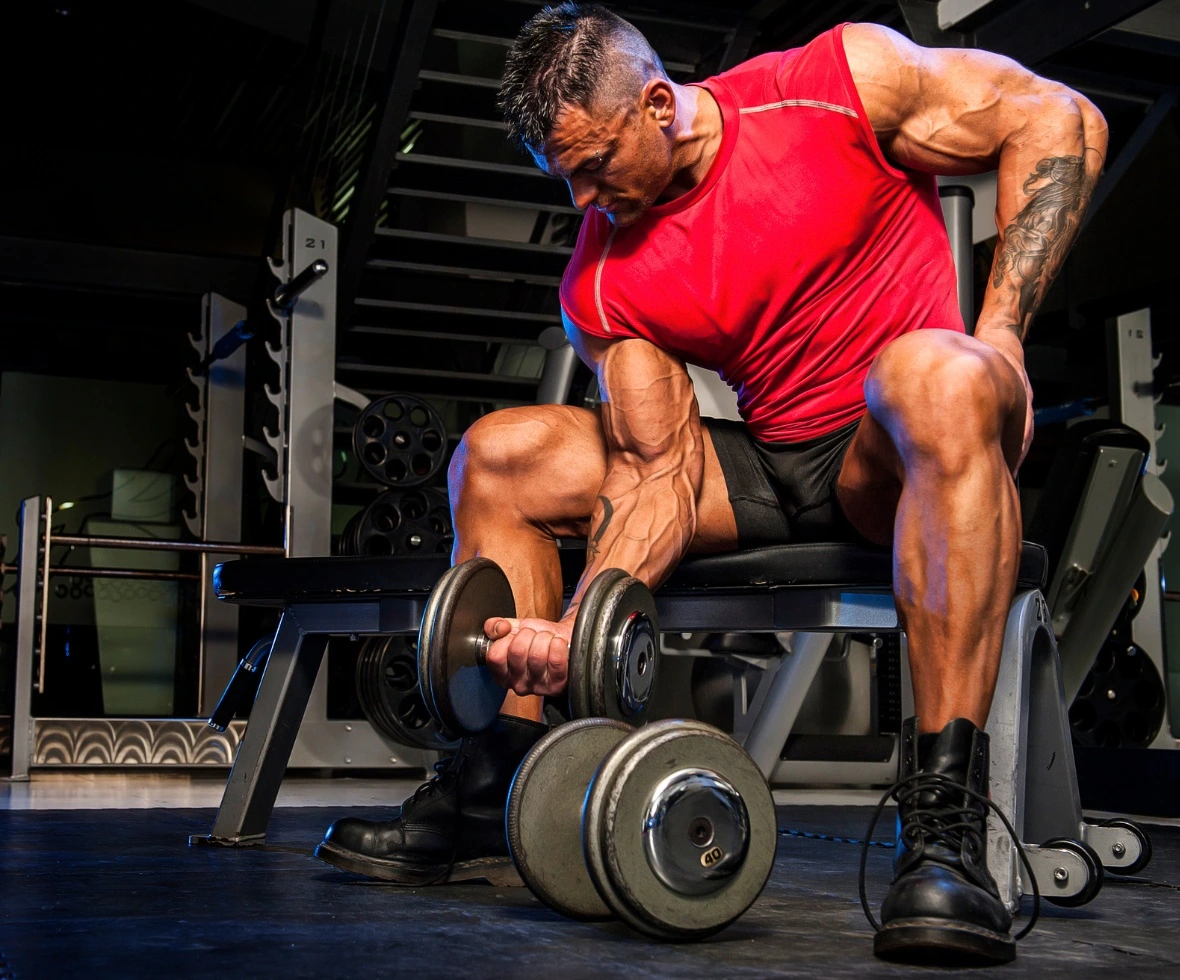
Strength training isn’t just for athletes or gym enthusiasts. When applied correctly, it becomes an essential recovery tool. In fact, once your body has moved past the acute phase of injury, progressive resistance training is one of the most effective ways to regain function, protect against future injury, and build resilience.
At YFS, we integrate functional strength training into rehab programs, tailoring exercises to mimic real-life movements and demands. This ensures our clients not only recover but return stronger and more capable than before.
Key benefits of strength training in recovery include:
Increased muscle mass and endurance
Improved joint stability
Enhanced proprioception and balance
Accelerated tissue repair and adaptation
Reduced recurrence of injury
How the Combination of Physiotherapy and Strength Training Works
While physiotherapy addresses immediate pain and dysfunction, strength training focuses on rebuilding your body’s capacity. The best recovery programs dont choose one over the otherthey combine both strategically.
Heres how it typically works at YFS:
Initial Assessment and Pain Management
We start with a comprehensive evaluation to understand your injury, limitations, and goals. Through physiotherapy, we address acute symptoms such as inflammation, pain, or stiffness.
Movement Re-education and Correction
Once pain is managed, we guide you through movement corrections, posture alignment, and muscle activation exercises. These are foundational steps before loading the muscles through strength training.
Progressive Strength Training
With your body prepped and stable, we introduce strength exercises tailored to your specific needswhether you’re recovering from ACL surgery, a rotator cuff tear, or chronic back pain. This phase focuses on restoring strength, endurance, and movement confidence.
Functional Reintegration
As you progress, training becomes more dynamic. Think agility drills, compound lifts, and sport-specific or work-specific movements. Our goal is always to bring you back to full performancesafely and confidently.
Common Injuries That Benefit From Strength-Based Rehabilitation
Not all injuries are created equal, but most can benefit from the structured approach of physiotherapy followed by strength training. Some examples include:
Knee injuries (ACL tears, meniscus damage, patellofemoral pain syndrome)
Shoulder impingement and rotator cuff injuries
Lower back pain and disc herniation
Ankle sprains and Achilles tendinopathy
Post-operative recovery (hip/knee replacements, spinal surgeries)
Each of these conditions requires careful progressionfrom pain relief to mobility restoration to strength rebuildingand at YFS, we design every program with these phases in mind.
Why Choose YFS in Canada for Your Recovery Journey?
At YourFormSux, our approach is results-driven, client-focused, and backed by the latest in exercise science and physiotherapy techniques. What sets us apart in the Canadian fitness and rehabilitation landscape is our collaborative model. Our physiotherapists and strength coaches work together to ensure your recovery is not just reactivebut proactive.
Whether you’re dealing with chronic pain, returning to sport, or just want to move better in everyday life, our integrated rehab model is tailored to meet your goals with precision and care.
Plus, our personalized programs ensure that you never feel like just another number. From the initial assessment to advanced strength phases, every part of your plan is customized to suit your body, your injury, and your pace of healing.
Final Thoughts
The road to recovery doesnt have to be slow or uncertain. By combining the structured care of physiotherapy with the proactive rebuilding of strength training, you give your body the best possible chance to recover fullyand stay strong long after the injury is gone.
At YFS, we believe that rehab is not a setbackits a setup for a comeback. If you’re looking for effective, science-based injury rehabilitation in Canada that merges physiotherapy with progressive strength training, were here to guide you every step of the way.
Ready to take control of your recovery? Book your consultation with YFS today and experience a new standard in rehabilitation.