Pelvic disorders are a commonly overlooked source of chronic pain, particularly among women. Conditions such as pelvic floor dysfunction, endometriosis, interstitial cystitis, and postpartum complications can lead to persistent pelvic pain that affects movement, bladder control, intimacy, and overall comfort.

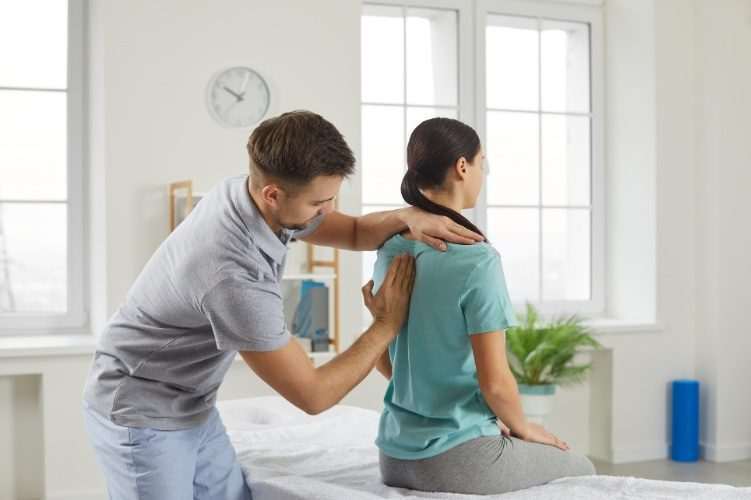
Pelvic disorders are a commonly overlooked source of chronic pain, particularly among women. Conditions such as pelvic floor dysfunction, endometriosis, interstitial cystitis, and postpartum complications can lead to persistent pelvic pain that affects movement, bladder control, intimacy, and overall comfort. Physiotherapy provides a non-invasive, drug-free, and highly effective approach to managing chronic pelvic pain through tailored, targeted care.
Understanding Pelvic Disorders and Their Impact
Pelvic pain can arise from multiple sources, including muscles, ligaments, connective tissue, nerves, and internal organs. Common symptoms include deep abdominal discomfort, lower back pain, pain during urination or intercourse, and tension in the pelvic floor muscles. The pain can be constant or triggered by specific movements or bodily functions.
Pelvic pain is often compounded by emotional stress and muscle guarding, where the pelvic floor muscles remain in a constant state of tension. This cycle leads to worsening discomfort and reduced quality of life. Physiotherapy focuses on breaking this cycle through movement, relaxation, and retraining of the pelvic region.
The Role of Pelvic Floor Physiotherapy
Pelvic floor physiotherapy is a specialized field that targets the muscles, fascia, and joints of the pelvic region. Physiotherapists use gentle internal and external techniques to assess and treat dysfunctions that contribute to chronic pain.
The first step is a thorough assessment of the pelvic area, posture, breathing patterns, and functional movements. Based on this, the therapist develops a personalized plan that may include:
Pelvic floor muscle relaxation techniques
Internal manual therapy for trigger point release
Biofeedback for muscle control training
Breathing and core stabilization exercises
Manual Therapy and Myofascial Release
Many cases of pelvic pain involve myofascial trigger pointstight knots in the muscles that radiate pain. Physiotherapists use gentle manual techniques to release these areas and restore soft tissue mobility. Myofascial release can improve blood flow, reduce nerve sensitivity, and ease chronic discomfort.
Internal manual therapy (performed only with patient consent and clinical necessity) is often critical for directly treating the pelvic floor muscles. It helps reduce tightness, release adhesions, and improve function.
Functional Exercises and Core Stability
Proper pelvic health depends on a stable and well-coordinated core. Physiotherapists teach exercises to strengthen the deep core muscles, including the transversus abdominis and diaphragm, which support the pelvic floor. These exercises also improve posture and reduce unnecessary strain on the lower back and hips.
Patients are often taught breathing techniques and gentle mobility drills to retrain the pelvic muscles to relax and contract properly, which is essential in breaking the pain-tension cycle.
Education and Empowerment
Education plays a huge role in recovery. Many individuals are unaware of how daily habits, posture, and stress levels impact pelvic health. Physiotherapists provide insight into body mechanics, bathroom habits, sexual health, and lifestyle adjustments that support long-term healing.
By understanding their bodies better, patients gain a sense of control over their condition, reducing anxiety and fear that often accompany chronic pelvic pain.
Conclusion
Chronic pain from pelvic disorders can be overwhelming, but with physiotherapy, recovery is not only possibleits achievable. Through a combination of manual therapy, exercise, education, and support, physiotherapy helps patients restore comfort, confidence, and functionality. At YourFormSux, our team specializes in pelvic physiotherapy that empowers patients to reclaim their health and lead a more comfortable, active life.