Physiotherapy is a powerful tool to help you regain strength, flexibility, and function after injury or surgery. But intense physio sessions can sometimes leave your muscles sore, tired, or even inflamed.

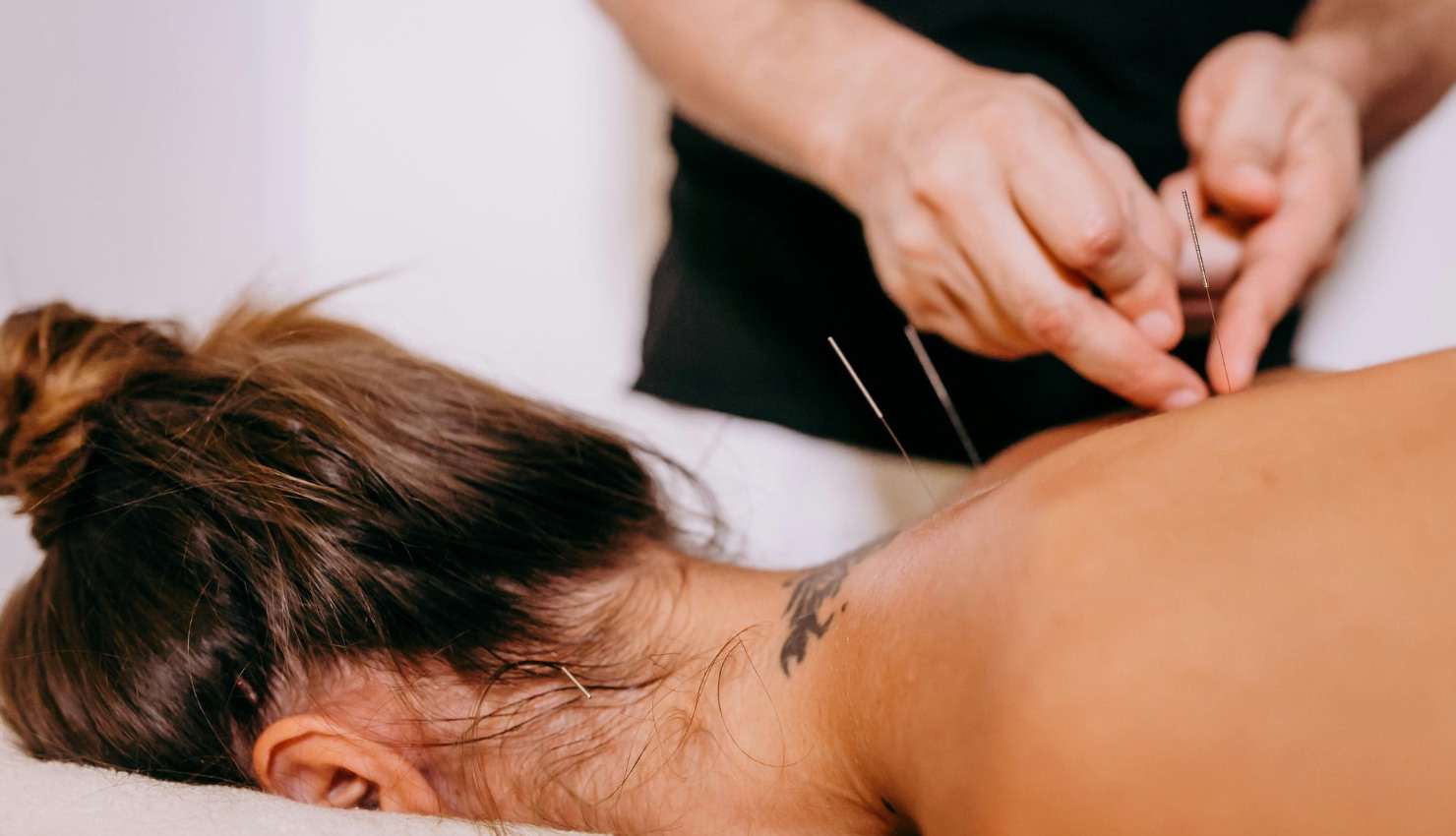
Physiotherapy is a powerful tool to help you regain strength, flexibility, and function after injury or surgery. But intense physio sessions can sometimes leave your muscles sore, tired, or even inflamed. Supporting your muscle recovery naturally is essential for consistent progress and long-term healing.
This is where Ayurveda, the ancient Indian healing system, can be your perfect ally. Through tailored herbal remedies, soothing massage techniques, and lifestyle practices, Ayurveda helps your muscles heal faster, reduce soreness, and regain strengthmaking your physiotherapy efforts even more effective.
Lets explore how Ayurveda supports muscle recovery after physiotherapy.
?? Understanding Muscle Recovery in Ayurveda
Ayurveda views muscle tissue as Mamsa Dhatu, which needs proper nourishment, circulation, and balance to repair and grow. After physiotherapy, the bodys internal energy (Prana) and balance of doshasespecially Vata (movement) and Pitta (heat/inflammation)play key roles in recovery.
When these are out of balance, you may experience muscle tightness, fatigue, or inflammation. Ayurveda focuses on calming aggravated doshas, reducing inflammation, and nurturing tissue regeneration.
? Ayurvedic Ways to Support Muscle Recovery
1. Herbal Support for Muscle Healing
Ayurveda offers powerful herbs to reduce soreness and promote muscle strength, including:
Ashwagandha: Builds stamina, reduces fatigue, and calms nervous tension
Turmeric (Haridra): Natural anti-inflammatory and pain reliever
Guggulu: Supports tissue repair and reduces inflammation
Bala: Strengthens muscles and improves flexibility
These herbs can be taken as powders, teas, capsules, or included in medicated oils.
2. Abhyanga: Warm Herbal Oil Massage
Daily or regular massage with warm herbal oils like Mahanarayan oil or Ashwagandha Bala oil:
Increases blood flow to muscles
Loosens tightness and reduces stiffness
Soothes soreness and accelerates healing
Calms the nervous system, promoting relaxation
Massaging before or after physio sessions can enhance mobility and reduce discomfort.
3. Nourishing, Digestible Diet
Muscle recovery needs good nutrition and strong digestion. Ayurveda recommends:
Warm, cooked meals rich in protein and healthy fats
Spices like cumin, coriander, and ginger to improve digestion
Avoiding cold, raw, and processed foods that disturb digestion and Vata balance
Proper digestion ensures your muscles get the nutrients they need for repair.
4. Pranayama and Restorative Practices
Breathing exercises and mindfulness calm the mind and reduce stress-induced muscle tension. Practices like:
Nadi Shodhana (alternate nostril breathing)
Gentle yoga and meditation
They improve oxygen flow to tissues and support nervous system balance, essential for healing.
?? Integrating Ayurveda with Physiotherapy
By supporting muscle recovery naturally, Ayurveda helps you:
Reduce pain and inflammation
Prevent muscle fatigue and spasms
Improve circulation and nutrient delivery
Enhance relaxation and sleep quality
Build strength and resilience for better physio outcomes
?? Final Thoughts
Muscle recovery after physiotherapy isnt just about restits about active, supportive healing. Ayurveda offers a holistic toolkit that nurtures your muscles, calms your nervous system, and strengthens your bodys natural ability to heal.
? Ready to Support Your Muscle Recovery Naturally?
If you want to complement your physiotherapy with Ayurvedic care tailored to your needs, reach out to our team. Together, we can create a balanced plan that helps you recover stronger and feel your best.