Joint stiffness and limited mobility can be frustrating barriers on your road to recovery. Whether youre working through arthritis, injury, or post-surgical rehab, physiotherapy plays a critical role in restoring movement and strength.

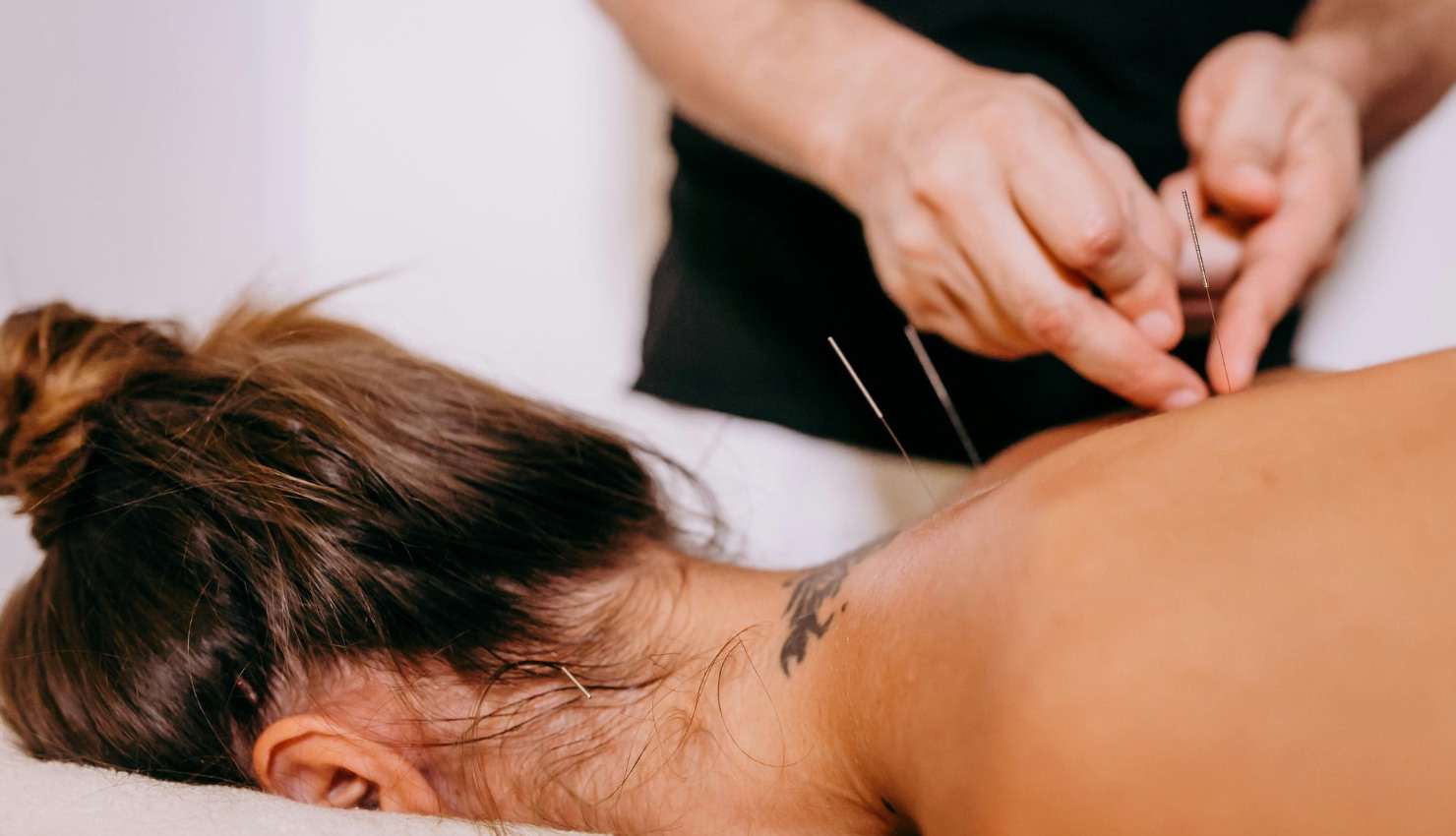
Joint stiffness and limited mobility can be frustrating barriers on your road to recovery. Whether youre working through arthritis, injury, or post-surgical rehab, physiotherapy plays a critical role in restoring movement and strength. But did you know Ayurveda can help you enhance joint mobility naturally, making your physiotherapy sessions more effective and comfortable?
Ayurveda, the ancient Indian science of healing, offers time-tested remedies and lifestyle practices that nourish your joints, reduce inflammation, and support flexibility from the inside out.
Lets explore how you can use Ayurveda alongside physiotherapy to get your joints moving freely again.
?? Why Joint Mobility Matters
Healthy joints are key to smooth, pain-free movement. When joints become stiff, inflamed, or weakened, it can affect your balance, strength, and overall function. Physiotherapy focuses on:
Strengthening muscles around the joint
Increasing range of motion
Correcting movement patterns
Ayurveda complements this by creating the optimal internal environment for joint health.
? Ayurvedic Tips to Boost Joint Mobility
1. Herbs That Support Joint Health
Ayurvedic herbs have natural anti-inflammatory and rejuvenating properties:
Guggulu (Commiphora mukul): Promotes joint lubrication and reduces stiffness
Shallaki (Boswellia serrata): Reduces inflammation and improves joint flexibility
Ashwagandha: Supports muscle strength and calms the nervous system
Turmeric: Powerful anti-inflammatory that aids in pain relief
These herbs can be taken as supplements, teas, or incorporated in medicated oils.
2. Therapeutic Oil Massage (Abhyanga)
Daily or regular massage with warm, herbal oils like Mahanarayan oil or Bala oil can:
Increase circulation around joints
Loosen tight connective tissues
Reduce stiffness and swelling
Nourish cartilage and surrounding tissues
Massage before physiotherapy sessions can help loosen joints, making movement easier and less painful.
3. Diet for Joint Health
Ayurveda recommends a diet that reduces inflammation and supports tissue repair:
Warm, cooked foods rich in antioxidants
Healthy fats like ghee and sesame oil for joint lubrication
Spices such as turmeric, ginger, cumin, and coriander
Avoiding cold, heavy, and processed foods that can worsen stiffness
Good nutrition supports the structural integrity of your joints and overall mobility.
4. Gentle Movement and Yoga
Ayurvedic healing includes gentle, mindful movement that complements physiotherapy:
Yoga poses tailored to improve joint flexibility and strength
Pranayama (breathwork) to calm the nervous system and enhance oxygen flow to tissues
Regular stretching to maintain range of motion
Combining these practices helps create sustainable joint health.
?? Ayurveda and Physiotherapy: Working Together for Better Mobility
Physiotherapy Focus Ayurveda Support
Strengthening muscles Nourishing tissues and reducing inflammation
Increasing range of motion Loosening joints and improving circulation
Correcting movement patterns Calming nervous system and reducing pain
Promoting functional recovery Supporting digestion and tissue regeneration
Together, they provide a comprehensive, whole-body approach to joint health.
?? Final Thoughts
Joint mobility is about more than just movementits about nourishing your entire system so your joints can function smoothly and painlessly. By incorporating Ayurvedic remedies and practices into your physiotherapy routine, youre giving your body the best chance to heal deeply and lastingly.
? Ready to Enhance Your Joint Mobility Naturally?
If youre looking for natural ways to support your physiotherapy and get your joints moving freely again, Ayurveda can help. Contact us to learn how we can personalize an Ayurvedic plan tailored to your recovery goals.