Sciatica pain can be a challenging roadblock during physiotherapy. That sharp, shooting pain radiating from your lower back down your leg doesnt just limit movementit can affect your mood, sleep, and overall quality of life.

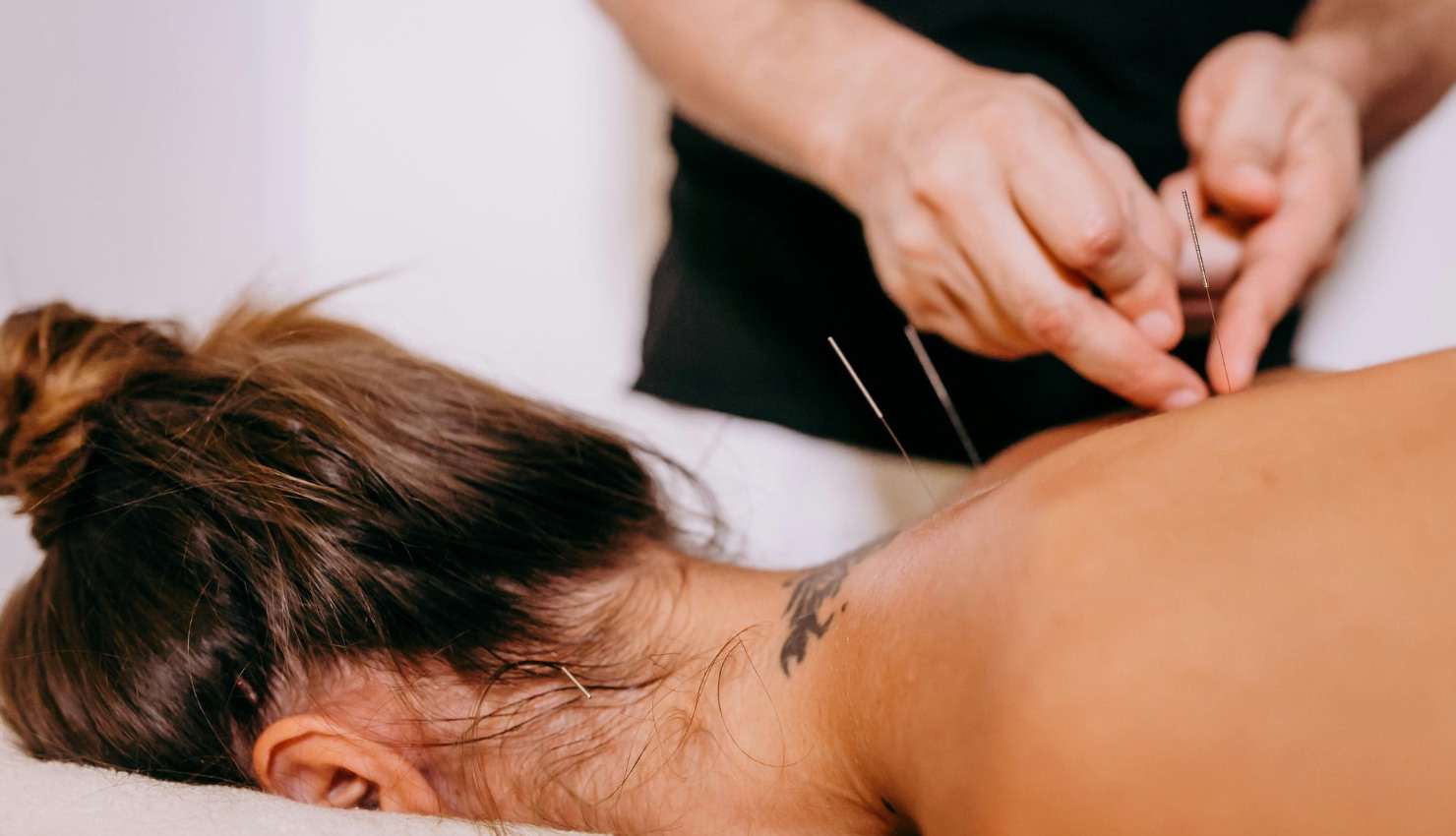
Sciatica pain can be a challenging roadblock during physiotherapy. That sharp, shooting pain radiating from your lower back down your leg doesnt just limit movementit can affect your mood, sleep, and overall quality of life.
While physiotherapy focuses on strengthening muscles, improving posture, and relieving nerve pressure, Ayurveda offers complementary natural approaches that can soothe pain, reduce inflammation, and support nerve healing.
Lets explore how Ayurveda can help physiotherapy patients manage and heal sciatica more effectively.
?? What Causes Sciatica According to Ayurveda?
In Ayurveda, sciaticaoften called Gridhrasiis typically linked to an aggravated Vata dosha, which governs movement and nerve function. Excess Vata causes:
Nerve compression
Muscle stiffness and spasms
Painful inflammation along the sciatic nerve pathway
Ayurveda aims to calm Vata, reduce inflammation, and strengthen muscles and tissues around the affected area.
? Ayurvedic Treatments for Sciatica Relief
1. Herbal Remedies
Ayurvedic herbs reduce pain and inflammation while promoting nerve repair:
Ashwagandha: Calms nerves, reduces inflammation, and supports muscle strength
Guggulu: Detoxifies tissues and eases joint and nerve pain
Shallaki (Boswellia): Relieves swelling and improves joint mobility
Dashamoola: A classic anti-inflammatory herbal blend often used in sciatica treatment
Herbs can be taken orally or used in topical oils.
2. Therapeutic Oil Massage (Abhyanga)
Massaging the lower back, hips, and legs with warm medicated oils like Mahanarayan oil or Bala Ashwagandha oil:
Soothes muscle tension
Improves blood and lymphatic circulation
Reduces nerve irritation and pain
This massage helps relax the muscles surrounding the sciatic nerve, easing pressure and discomfort.
3. Panchakarma Detox Therapy
For chronic or severe cases, Ayurvedic cleansing treatments like Swedana (herbal steam therapy) and Basti (medicated enemas) help:
Remove toxins (ama) from the body
Reduce inflammation
Restore nerve function
These therapies are always administered under professional supervision.
4. Diet and Lifestyle Adjustments
Balancing Vata involves:
Eating warm, cooked, and nourishing foods
Avoiding cold, dry, and processed foods
Incorporating grounding spices like ginger, cinnamon, and cumin
Practicing regular routines and gentle movements to reduce nerve irritation
5. Yoga and Pranayama
Gentle yoga poses and breathing exercises support flexibility, improve circulation, and calm the nervous systemessential for easing sciatica pain and improving physiotherapy results.
?? Ayurveda and Physiotherapy: Complementary Healing
Physiotherapy Focus Ayurvedic Support
Strengthens core and leg muscles Reduces inflammation and calms Vata
Improves posture and nerve mobility Nourishes tissues and detoxifies
Relieves mechanical nerve pressure Relaxes muscles and soothes pain
Together, they offer a balanced, holistic approach to sciatica care.
?? Final Thoughts
Sciatica can be persistent and frustrating, but combining physiotherapy with Ayurvedic care offers a natural, effective pathway to relief. By calming nerve irritation, reducing inflammation, and supporting muscle health, Ayurveda helps you heal not just fasterbut more completely.
? Interested in Integrative Sciatica Care?
If youre undergoing physiotherapy for sciatica and want to add natural Ayurvedic support, contact our team. Well tailor a safe, personalized plan to help you find lasting relief.