Muscle spasms can be one of the most frustrating parts of injury recovery and physiotherapy. Those sudden, involuntary contractions cause sharp pain, restrict movement, and often interfere with your rehab exercises.

Muscle spasms can be one of the most frustrating parts of injury recovery and physiotherapy. Those sudden, involuntary contractions cause sharp pain, restrict movement, and often interfere with your rehab exercises.
If youre experiencing muscle spasms during physiotherapy, acupuncture might just be the natural, effective relief you need.
Lets dive into how acupuncture helps relax muscles, reduce spasms, and support your healing journey.
?? What Causes Muscle Spasms?
Muscle spasms happen when a muscle involuntarily tightens or contracts, often due to:
Injury or muscle strain
Overuse or repetitive motion
Nerve irritation or compression
Poor posture or muscle imbalances
Stress and nervous system tension
Spasms create pain and stiffness, limiting your ability to participate fully in physiotherapy.
?? How Acupuncture Helps Relieve Muscle Spasms
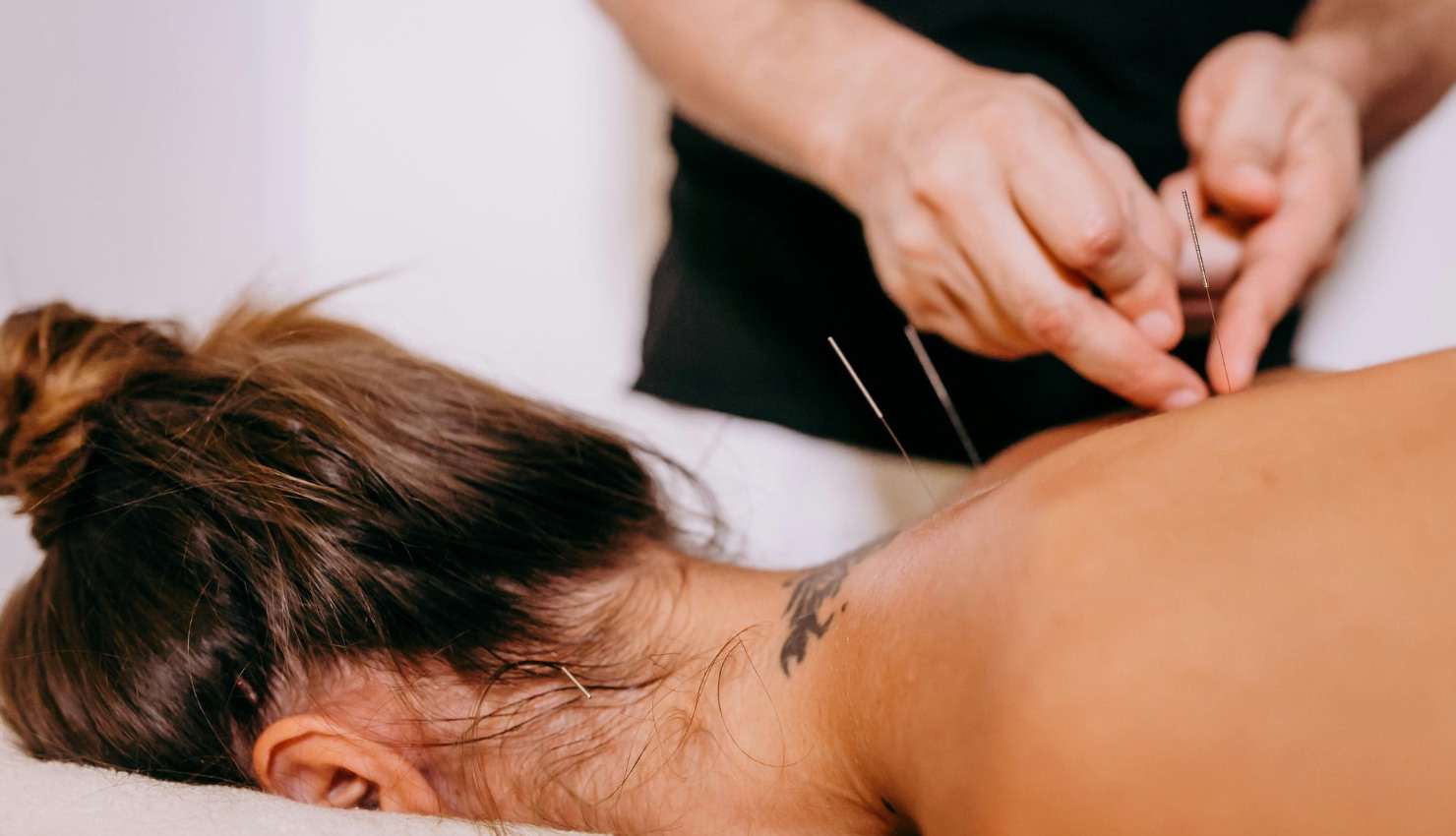
Acupuncture uses very fine needles inserted into specific points on the body to stimulate healing and relaxation. Heres how it targets muscle spasms:
?? 1. Releases Trigger Points
Muscle knots or trigger points are often behind spasms. Acupuncture needles stimulate these spots, causing muscle fibers to relax and reset, easing the spasm.
?? 2. Increases Blood Flow
Needling increases local circulation, delivering oxygen and nutrients to the affected muscles while flushing out waste products like lactic acid that contribute to spasms.
?? 3. Calms the Nervous System
Spasms can be driven by overactive nerve signals. Acupuncture modulates nervous system activity, reducing hyperexcitability and promoting relaxation.
?? 4. Reduces Inflammation
Inflammation can irritate nerves and muscle tissue, worsening spasms. Acupuncture helps regulate the immune response, calming inflammation and reducing spasm frequency.
?? Why Combining Acupuncture with Physiotherapy Works
Physiotherapy strengthens and stretches muscles, correcting imbalances
Acupuncture relaxes tight muscles and reduces spasms, making physio exercises more comfortable and effective
Together, they speed recovery, reduce pain, and improve mobility
?? What to Expect in Acupuncture Sessions for Muscle Spasms
A thorough assessment of your muscle tightness and pain areas
Gentle needle insertion in affected muscles and related points
Sessions typically last 2040 minutes, often deeply relaxing
Many patients experience reduced spasms and improved movement after just a few treatments
? Final Thoughts: Relax Your Muscles, Restore Your Movement
Muscle spasms dont have to derail your physiotherapy progress. Acupuncture offers a natural, drug-free way to calm muscle tension, reduce pain, and support your rehabhelping you get back to moving comfortably and confidently.
Ready to Ease Muscle Spasms Naturally?
Talk to your physiotherapist or acupuncturist about incorporating acupuncture into your treatment plan. Because healing happens best when your muscles can truly relax.